August 25, 2026
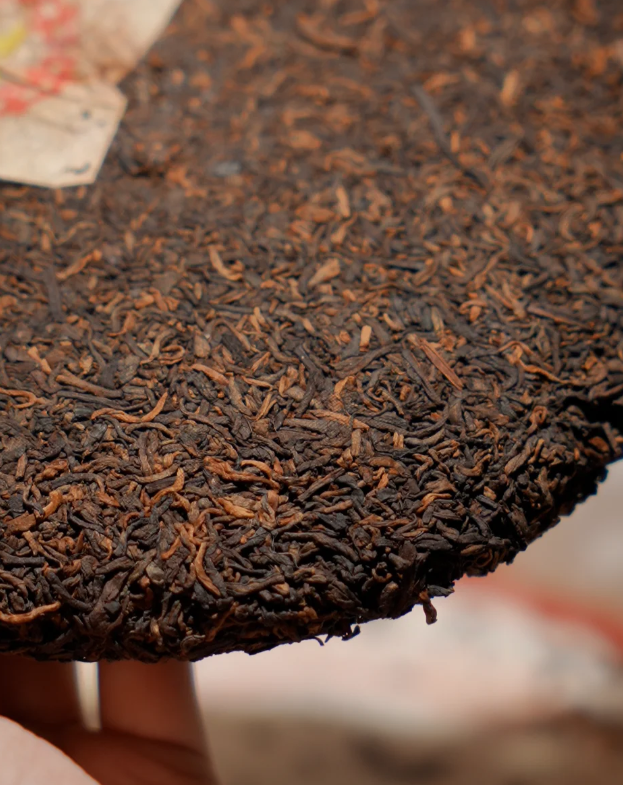
Yes — Pu-erh tea can get better with age, but age alone does not guarantee better quality. Both raw and ripe Pu-erh can change during storage. Aroma, flavor…
Read the article →
August 21, 2026
Discover Pu-erh tea with a beginner-friendly sampler featuring both raw and ripe Pu-erh. Taste different Yunnan teas before choosing a full cake. New to Pu-erh? Start with Samples.…
Read the article →
August 17, 2026
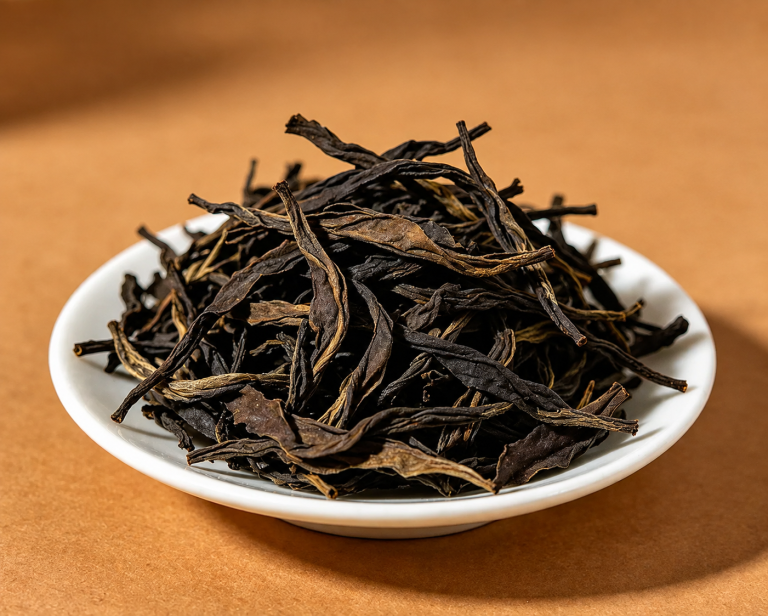
Pu-erh is a tea from Yunnan, China, made from Yunnan large-leaf sun-dried tea. Its two main styles are raw (sheng) and ripe (shou). Raw Pu-erh is not wet-pile…
Read the article →
August 15, 2026
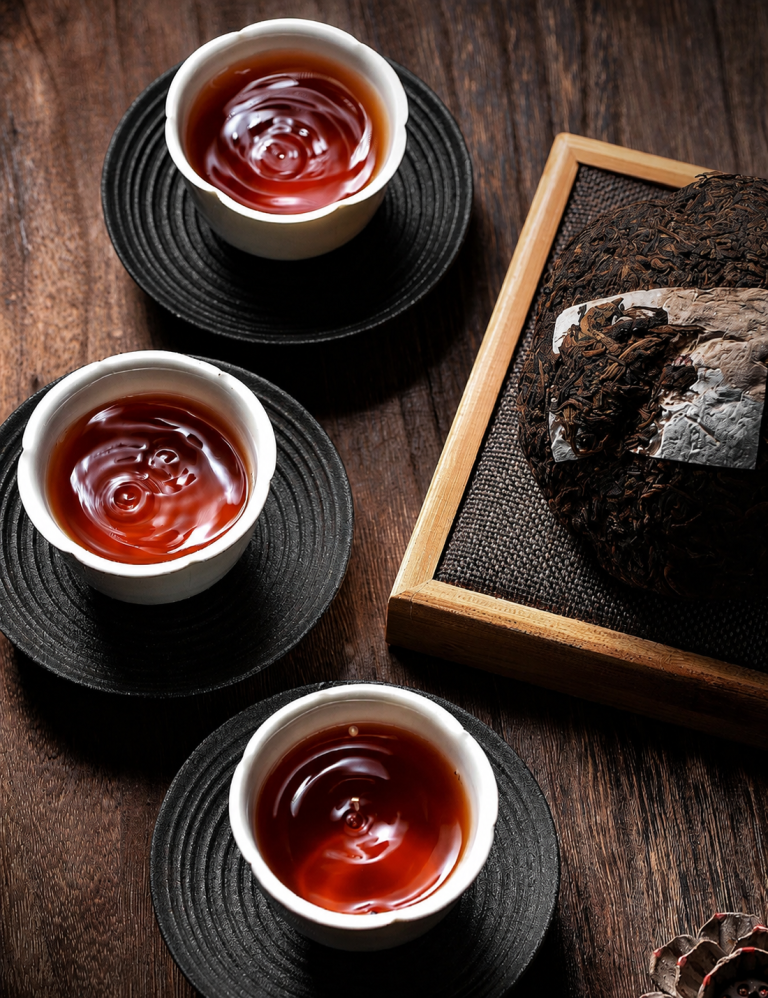
2018 Mountain Majesty ripe Pu-erh from Yunnan: its history, ancient-tree material, flavor and how to brew this ripe tea for a smooth, rich cup.
Read the article →
August 12, 2026
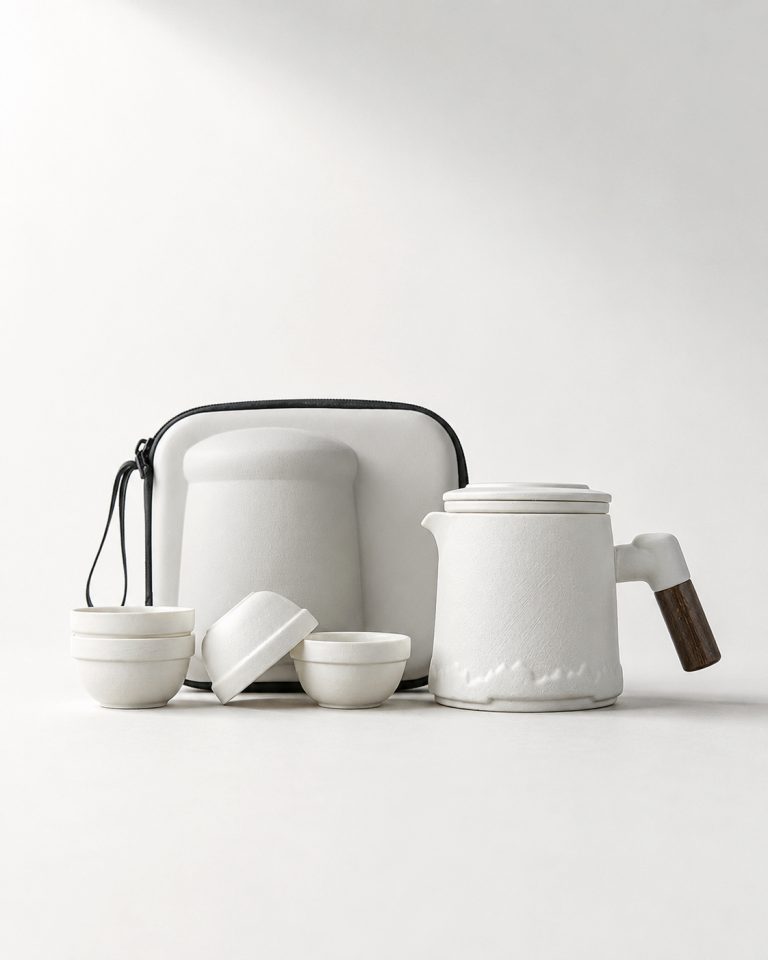
A practical guide to choosing a compact travel tea set that can brew loose-leaf tea cleanly at work, in a hotel, or away from home.
Read the article →
August 7, 2026
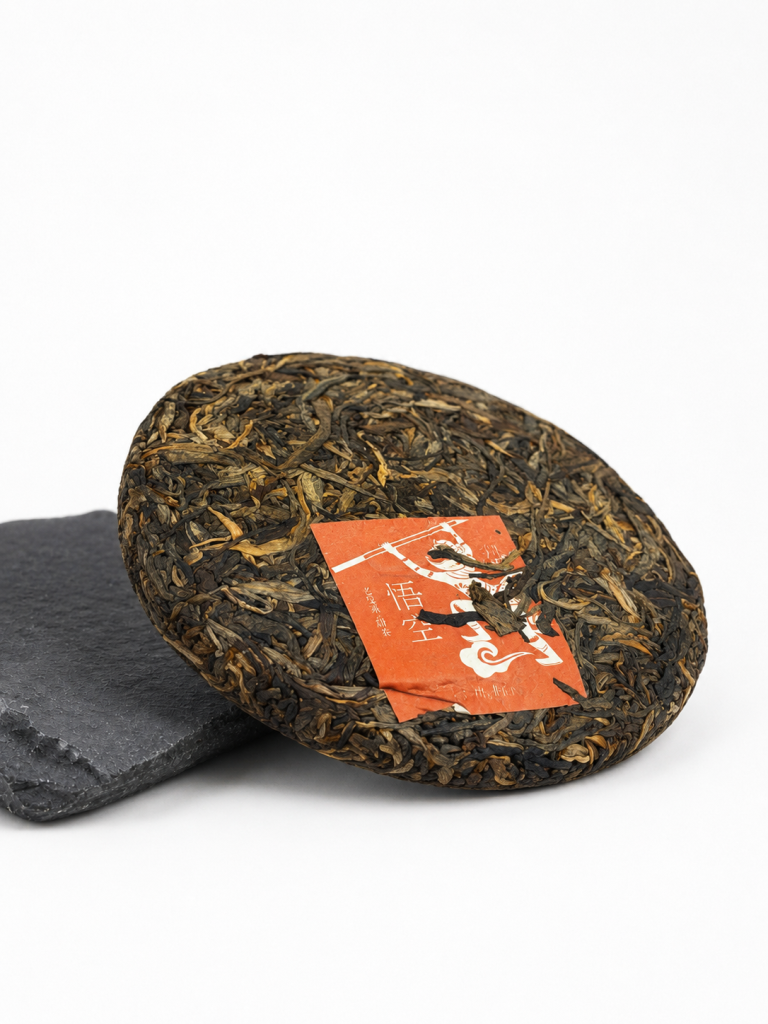
Tea cakes are one of the most recognizable forms of Chinese tea, especially Pu-erh tea. But how does loose tea become a compact, round cake? The process involves…
Read the article →

August 3, 2026
The story of Chinese green tea, from early tea culture to today’s pan-fired teas, and why freshness, purity and balance define its character.
Read the article →
July 28, 2026
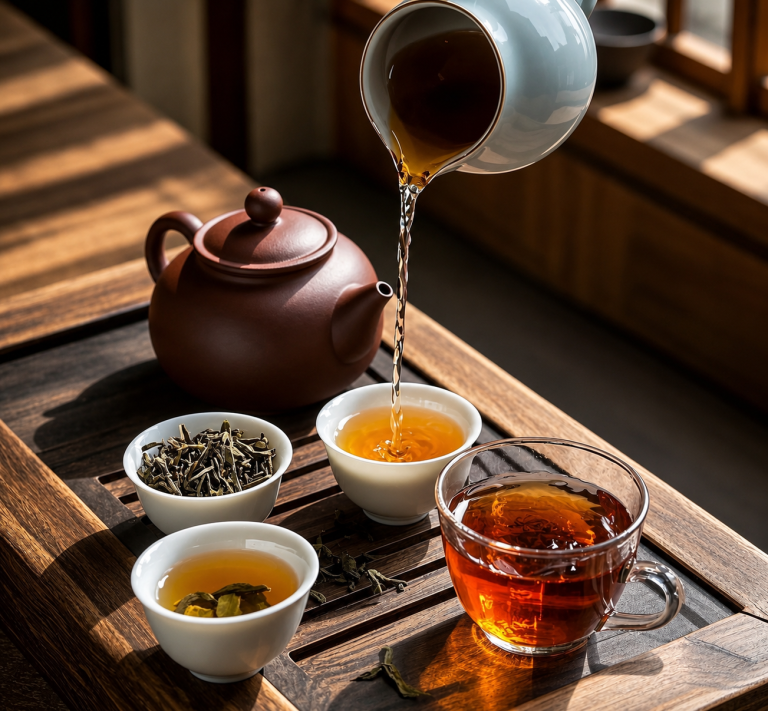
2016 Wukong Lao Man’e raw Pu-erh from Bulang Mountain: ancient-tree spring leaves, honey aroma, smooth texture and a lasting sweet aftertaste.
Read the article →
July 23, 2026
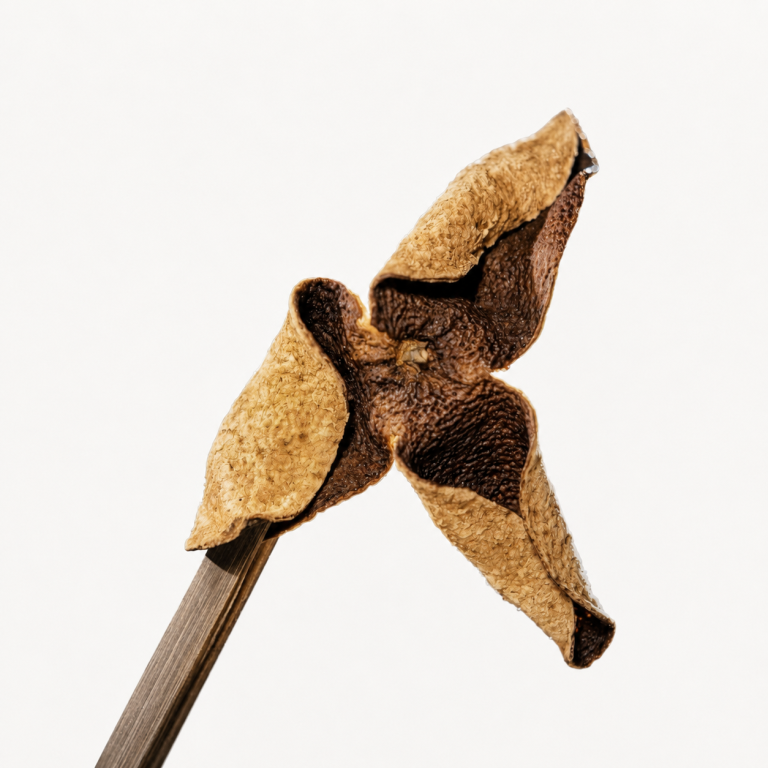
Learn about its history, traditional production, flavor, brewing methods and culinary uses. What Is Xinhui Chenpi? Chenpi is dried and naturally aged citrus peel. Among the different varieties…
Read the article →