Discover 2018 Mountain Majesty Ripe Pu-erh Tea from Yunnan, China. Learn about the history of Pu-erh, its origins, flavor, brewing method, and why it remains so popular in China.
2018 Mountain Majesty Ripe Pu-erh Tea: A Taste of Yunnan’s Tea History
Pu-erh is more than simply a type of Chinese tea. For many tea drinkers in China, it represents Yunnan’s mountains, centuries of tea culture, traditional trade routes, and the art of aging tea.
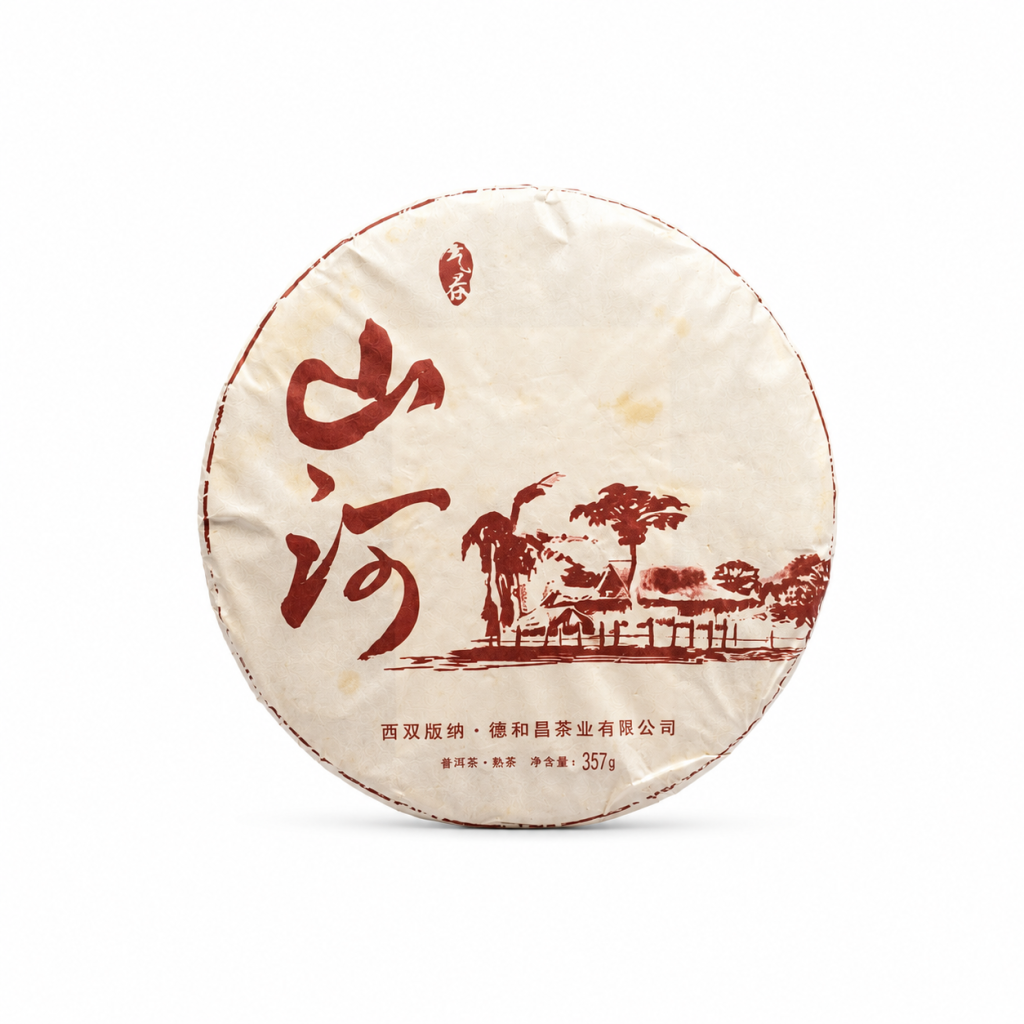
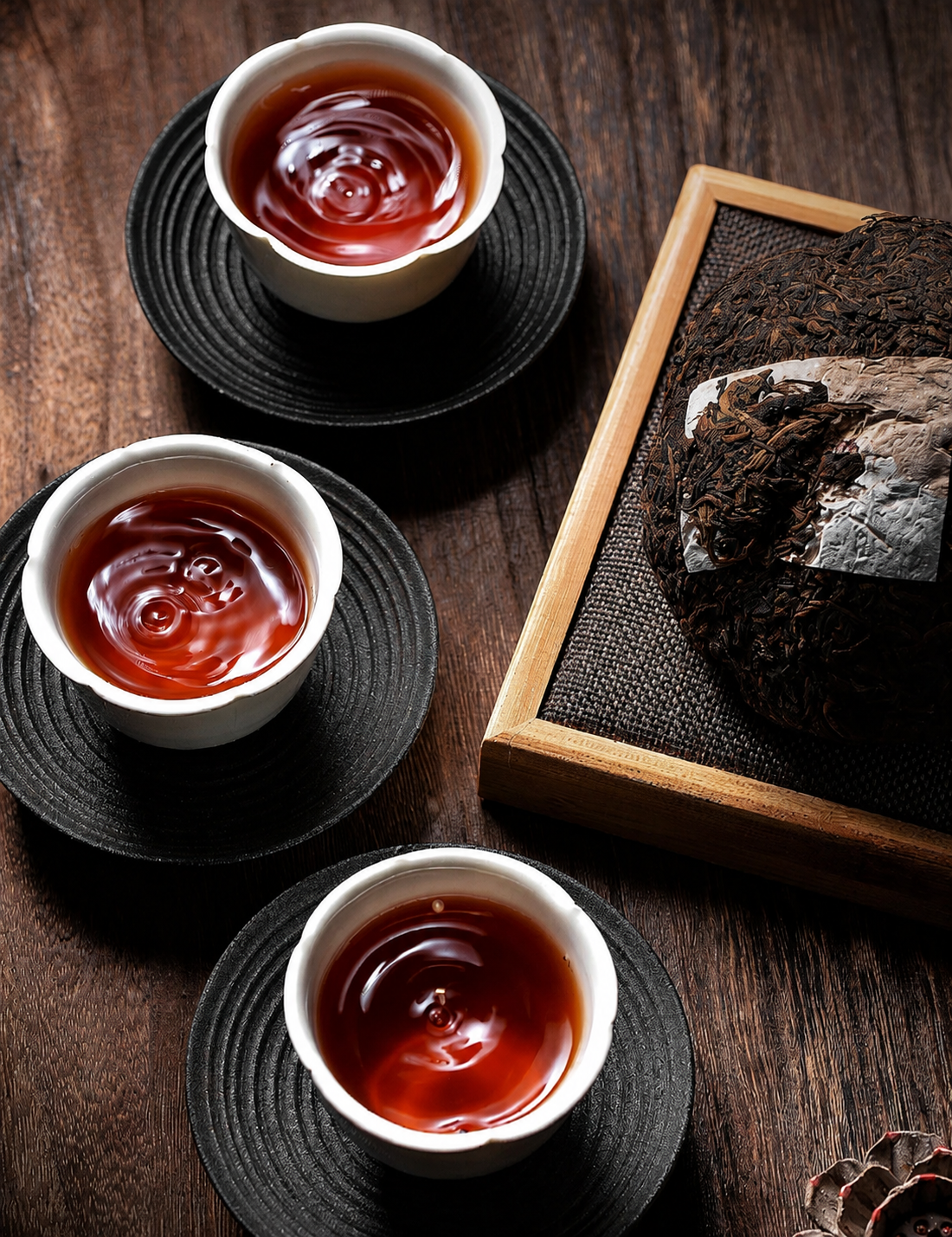
The 2018 Mountain Majesty Ancient Tree Ripe Pu-erh Tea brings this tradition into an approachable daily tea. Made from spring leaves of high-elevation tea trees in Xishuangbanna, Yunnan, it offers a deep red liquor, mellow body, smooth texture, warm aroma, and pleasant returning sweetness.
For anyone interested in discovering authentic Yunnan ripe Pu-erh tea, this is a good place to start.
Where Does Pu-erh Tea Come From?
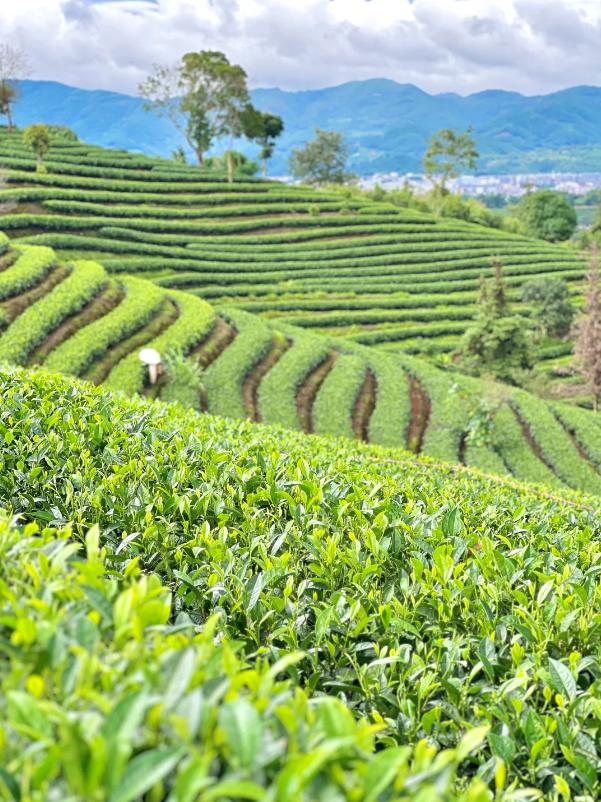
Pu-erh tea originates from Yunnan Province in southwestern China, one of the world’s most important historical tea-growing regions.
Tea has been cultivated and consumed by different ethnic communities in Yunnan for centuries. The region is especially known for its large-leaf tea trees, traditionally used as the raw material for Pu-erh.
Historically, tea produced in Yunnan was transported over long distances by horse and mule caravans.
These trading routes later became widely known as the Ancient Tea Horse Road — Cha Ma Gu Dao (茶马古道).
Tea traveled from Yunnan toward Tibet and other parts of Asia. Because transporting loose leaves was inconvenient, tea was often compressed into cakes and other compact shapes, making it easier to carry and store during long journeys.
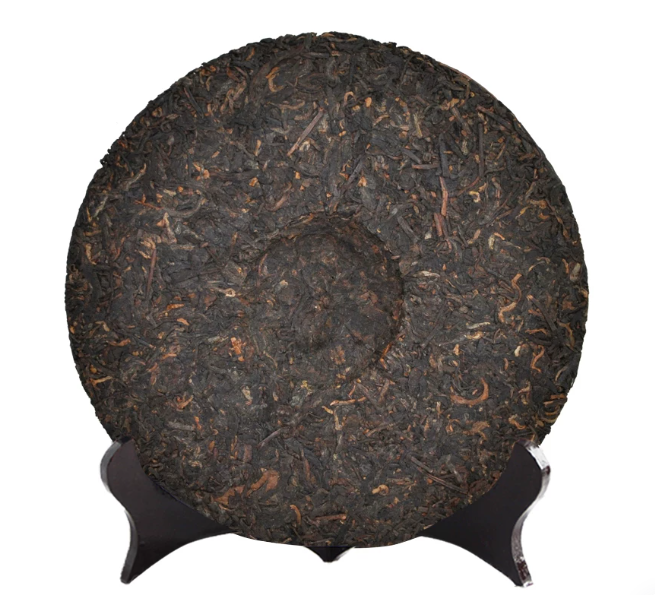
This is one reason why the Pu-erh tea cake remains such an iconic form of Chinese tea today.
From Ancient Pu-erh to Modern Ripe Pu-erh
Traditional Pu-erh was not always divided into the familiar “raw” and “ripe” categories we see today.
Historically, compressed Pu-erh gradually changed during transportation and long-term storage. Temperature, humidity, microorganisms, and time slowly transformed the tea, reducing some of its youthful astringency and developing a smoother, deeper character.
However, natural aging takes years.
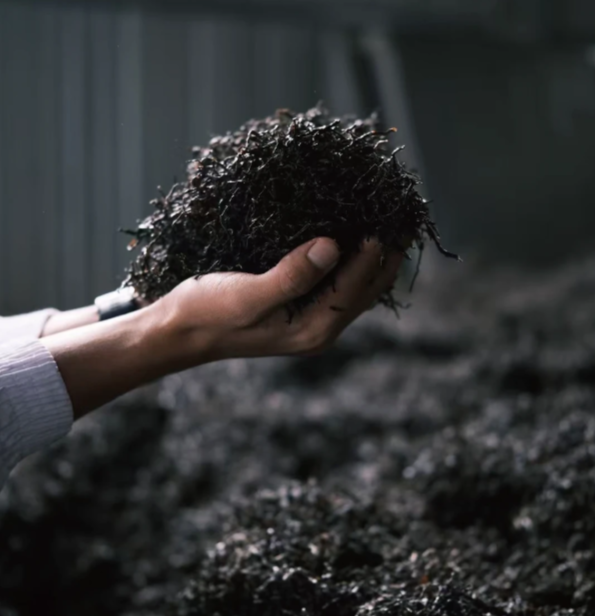
During the 1970s, producers in Yunnan developed modern pile-fermentation, commonly called wo dui (渥堆), to accelerate this transformation.
Instead of waiting many years for the tea to mature naturally, controlled moisture, warmth, and microbial fermentation help create the dark color, mellow body, and smooth character associated with modern ripe Pu-erh — Shou Pu-erh (熟普洱).
This process made the mature style of Pu-erh much more accessible for everyday tea drinkers.
Why Is Pu-erh Tea So Popular in China?
Pu-erh occupies a unique position in Chinese tea culture.
One major reason is its depth of flavor.
A good ripe Pu-erh can be rich and full-bodied without being aggressively bitter. Its character can include woody, earthy, sweet, warm, and mellow notes, making it very different from fresh green tea or highly fragrant oolong.
Another reason is the culture of aging and collecting tea.
Unlike many teas that are mainly appreciated for freshness, Pu-erh has a strong connection with storage and maturation. Tea enthusiasts often compare different years, mountains, villages, factories, raw materials, and storage conditions.
In this sense, drinking Pu-erh can sometimes feel similar to exploring wine: the origin, vintage, processing, and storage history can all become part of the experience.
Pu-erh also has a strong social element. Gongfu-style brewing allows the same leaves to be infused repeatedly, with the aroma and flavor changing from one infusion to another. Sharing these infusions with friends is an important part of contemporary Pu-erh culture.
During the 1990s and 2000s, interest in aged Pu-erh expanded significantly among collectors and urban tea enthusiasts in China, further strengthening its reputation as one of the country’s most distinctive traditional teas.
What Makes 2018 Mountain Majesty Special?
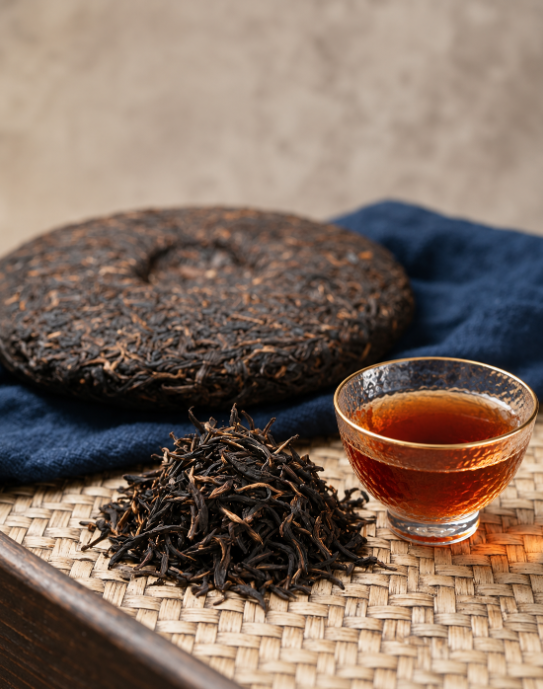
The 2018 Mountain Majesty Ancient Tree Ripe Pu-erh Tea is made from spring tea material from high-elevation ancient tea trees in Xishuangbanna.
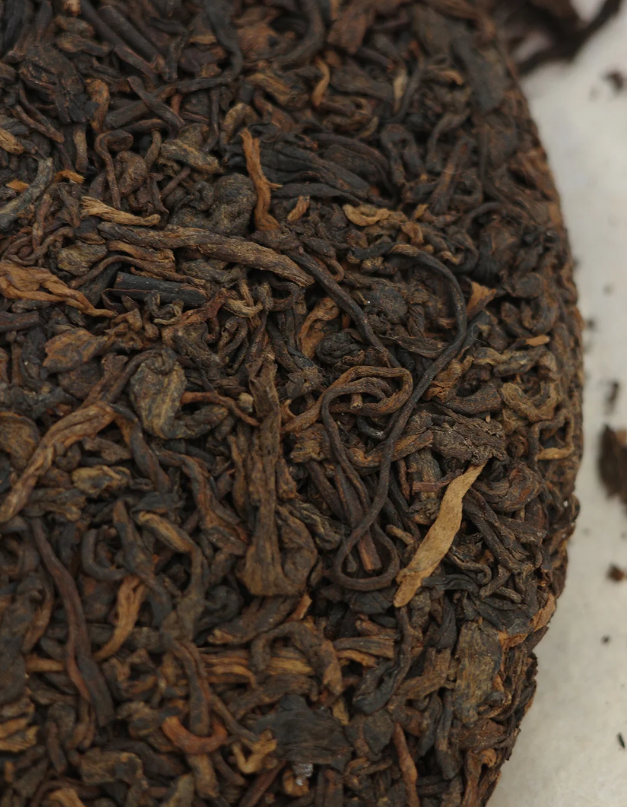
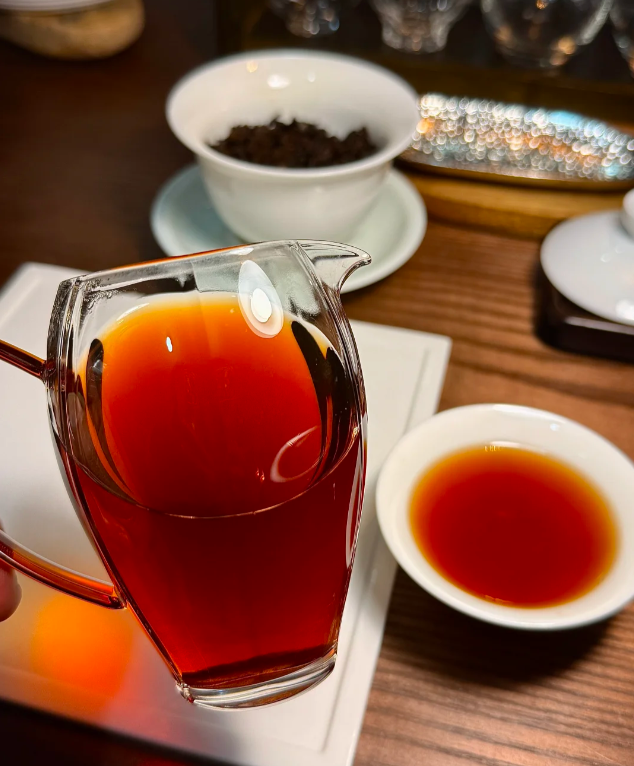
Its dry leaves are tightly twisted and even. Once brewed, the tea produces a bright, deep-red liquor.
The drinking experience is characterized by:
- Rich and mellow body
- Smooth, rounded texture
- Warm aroma
- Low aggressive bitterness
- Pleasant returning sweetness
- Deep red and clear tea liquor
The combination makes it suitable both for people beginning their journey into Pu-erh and experienced tea drinkers looking for an easy daily ripe tea.
How to Brew Mountain Majesty Ripe Pu-erh
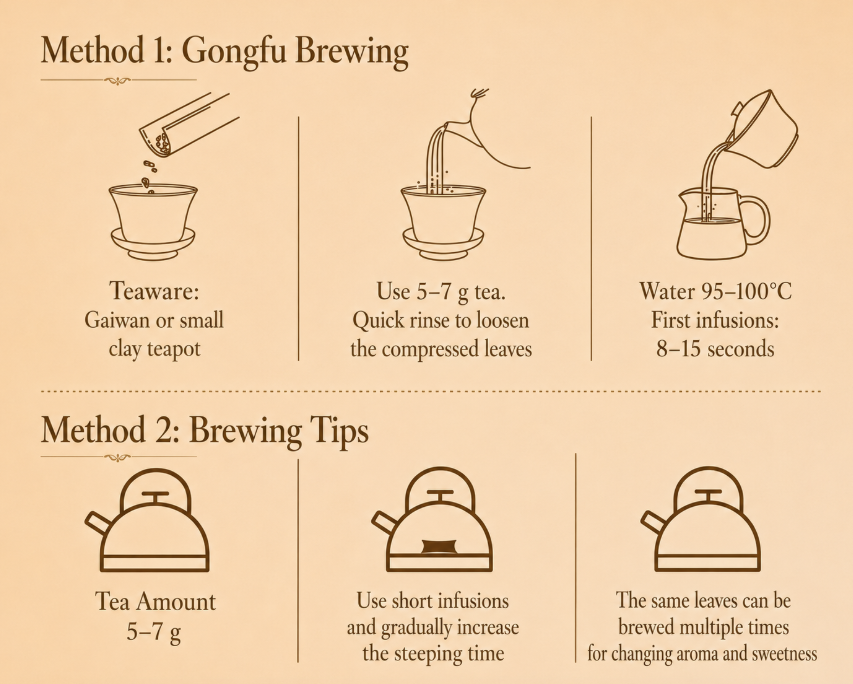
For a traditional Gongfu-style session:
Tea: 5–7 g
Water Temperature: 95–100°C
First Infusions: 8–15 seconds
Recommended Teaware: Gaiwan or small clay teapot
Begin with a quick rinse to help loosen the compressed leaves.
Then use short infusions and gradually increase the steeping time.
One of the pleasures of Pu-erh is that the same leaves can be brewed multiple times, allowing you to experience how the texture, sweetness, and aroma change throughout the session.
Discover the World of Ripe Pu-erh
A good Pu-erh is not simply about drinking tea.
Behind every cake lies a story of Yunnan’s mountains, ancient tea trees, the Tea Horse Road, fermentation, aging, and generations of Chinese tea culture.
The 2018 Mountain Majesty Ancient Tree Ripe Pu-erh Tea offers an accessible way to experience this tradition, with a smooth body, rich flavor, and mellow sweetness that can be enjoyed throughout the day.
Available as a 20 g sample for exploration or a traditional 357 g tea cake for regular drinking and storage.
Explore 2018 Mountain Majesty Ancient Tree Ripe Pu-erh Tea and discover a deeper side of Chinese tea.