
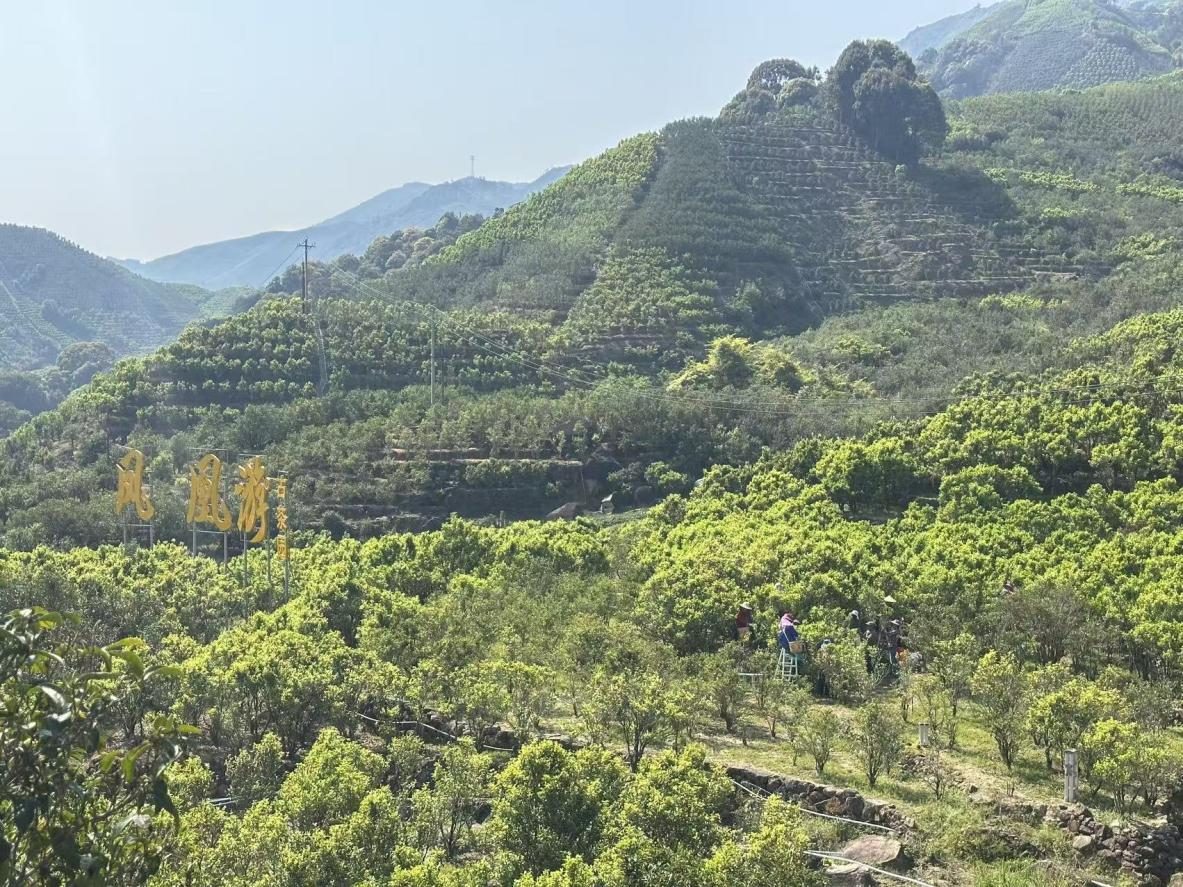
Phoenix Dan Cong is a highly aromatic oolong tea from Chaozhou in Guangdong, China. A good example may suggest flowers, honey, ripe fruit, herbs, or warm spice even though no flowers, fruit, or flavoring have been added. These aromas develop naturally through the tea cultivar, growing environment, and traditional processing.
This guide explains what the name means, how the main aroma types differ, what Wudong and old-bush labels can tell you, what to check before buying, and how to brew Phoenix Dan Cong without making the cup unnecessarily harsh.
What is Phoenix Dan Cong tea
Phoenix Dan Cong, also written Fenghuang Dancong, is an oolong tea associated with the Phoenix Mountains and the wider protected production area around Chaozhou. The current Chaozhou geographical-indication standard defines it as an oolong made from cultivars or lines selected from Fenghuang Shuixian and processed by the local traditional method. The standard describes natural floral or fruit-like aroma together with characteristic cong yun and honeyed character.
The name Dan Cong, historically associated with “single bush” production, reflects the traditional practice of selecting and processing distinctive individual tea trees separately. Modern commercial Phoenix Dan Cong, however, may also be made from groups of trees belonging to the same cultivar or lineage, including descendants of a selected mother plant. A batch labelled Dan Cong therefore does not necessarily come from only one tree.
Is the floral aroma natural
In an unflavored Phoenix Dan Cong, floral, fruity, and honey-like aromas come from the leaf itself. They develop naturally through the tea cultivar, growing environment, oxidation, and roasting; flowers, fruit, honey, or flavoring do not need to be added. Aroma research has identified naturally occurring volatile compounds that help create these impressions, with the balance changing from one cultivar, season, and batch to another.
This does not mean every tea will smell exactly like the aroma printed on its label. Names such as Honey Orchid or Almond are sensory references and lineage names, not ingredient lists. Roast level and storage can also move the cup away from fresh flowers toward honey, dried fruit, nuts, wood, or warm spice.
When buying, check whether the seller describes the tea as unflavored and whether the ingredient list contains tea only. Aroma persistence alone cannot prove whether a tea has been flavored, so the ingredient list and the seller’s disclosure are more useful than a single sensory test.
Where Phoenix Dan Cong comes from
Chaozhou’s DB4451/T 1-2021 standard gives Fenghuang Dancong protected geographical-indication status and defines the approved production area and processing requirements. The protected area is broader than one mountain or village, so it is more accurate to describe Phoenix Dan Cong as a Chaozhou tea rather than claim that every authentic batch must come from Wudong.
Wudong is one of the best-known high-elevation origins within the Phoenix Mountain area. Its name is useful sourcing information when a seller can support it with a clear village or garden source, harvest information, and a consistent batch description. Elevation can influence growing conditions and aroma development, but it does not establish quality by itself. Plant material, weather, picking standard, processing control, and storage still shape the final cup.
Common Phoenix Dan Cong aroma families and names
Phoenix Dan Cong is traditionally discussed through a group of ten major aroma families, alongside numerous other named cultivars, lineages, individual-tree names, and locally recognized styles. The ten-family framework is a practical introduction, not a complete catalogue. English translations vary, so it helps to keep the pinyin name when comparing sellers.
| Aroma type | Common English name | What you may notice |
|---|---|---|
| Huang Zhi Xiang | Gardenia aroma | White flowers, citrus blossom, a clear high fragrance |
| Mi Lan Xiang | Honey orchid aroma | Honey, orchid, ripe fruit, and a rounder roasted finish |
| Zhi Lan Xiang | Orchid aroma | Fine orchid fragrance, clarity, and a lingering floral return |
| Xing Ren Xiang | Almond aroma | Almond skin, toasted nuts, and gentle stone-fruit notes |
| Yu Lan Xiang | Magnolia aroma | Magnolia-like florals and a light, sweet impression |
| Gui Hua Xiang | Osmanthus aroma | Sweet osmanthus and honeyed fruit |
| Rou Gui Xiang | Cinnamon aroma | Warm spice, wood, and a fuller roasted profile |
| Jiang Hua Xiang | Ginger flower aroma | Sharp floral lift with a fresh, lightly spicy edge |
| Ye Lai Xiang | Night-blooming flower aroma | A deep, sweet floral fragrance that may feel fuller after the leaves open |
| Mo Li Xiang | Jasmine aroma | Fresh jasmine-like fragrance with a clear, lifted finish |
These names describe naturally occurring sensory associations and traditional naming categories; they are not ingredient lists.
Ya Shi Xiang and other well-known names
Ya Shi Xiang (鸭屎香), also written Yashixiang and commonly translated as “Duck Shit Aroma” or “Duck Shit Oolong,” is one of the best-known Phoenix Dan Cong teas. Despite its unusual name, it is prized for its naturally expressive floral fragrance, often recalling gardenia, honeysuckle, sweet fruit, and sometimes a soft creamy or almond-like character.
These aromas develop naturally from the tea plant, growing environment, and traditional processing; no milk or flavoring is required. Ya Shi Xiang should not be confused with “Milk Oolong,” a term more commonly associated with Taiwan’s Jin Xuan cultivar or, in some commercial teas, added milk flavoring. Some examples of Ya Shi Xiang may show a creamy texture or almond-like softness, but the defining profile is generally more floral and aromatic than explicitly milky.
According to a widely told local story, a grower gave the tea an intentionally unappealing name to discourage others from taking or propagating the prized plants. The exact origin of the name is debated, and several local explanations exist.
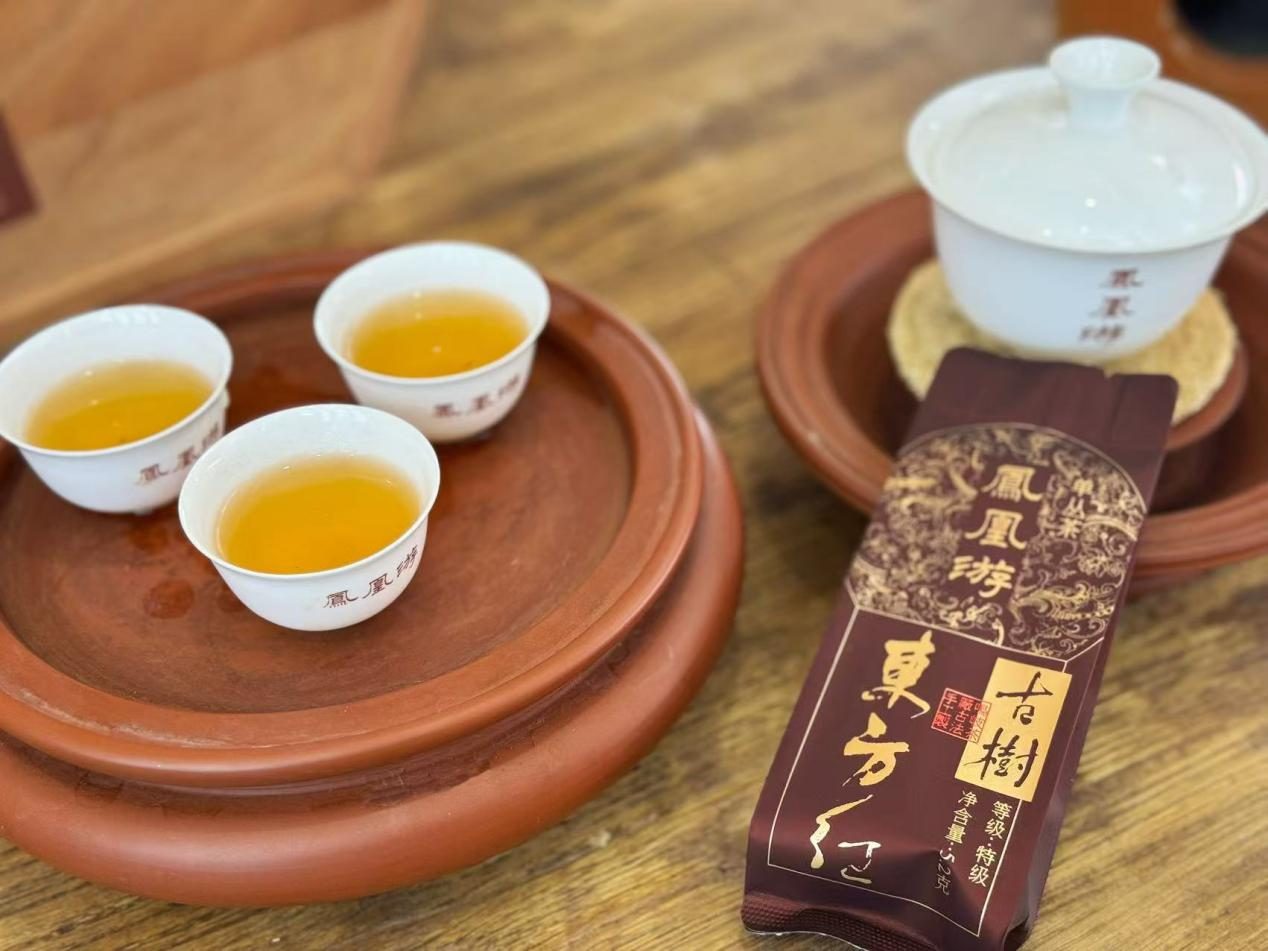
Dongfanghong is another widely recognized Phoenix Dan Cong name outside the ten-family list. Depending on the batch and roast, it may show peach, gardenia, honeyed, woody, or warm roasted notes. As with Ya Shi Xiang, the name identifies a recognized tea style or lineage; it does not indicate that those aromatic ingredients were added.
If you are new to the category, choose by broad flavor direction rather than chasing the rarest name. Mi Lan Xiang is a useful starting point for honeyed fruit and roast. Ya Shi Xiang suits drinkers who want a brighter floral profile. Xing Ren Xiang moves toward nuts and gentle bitterness. Dongfanghong can be a good next step when you want ripe-fruit aroma with deeper structure.
High-mountain and old-bush labels
“High mountain,” “Wudong,” and “old bush” can be useful sourcing details, but they should not replace a complete description.
Research on Guangdong Dan Cong teas grown at different elevations has found measurable differences in aroma compounds. This supports the modest conclusion that growing environment matters; it does not show that the highest garden always makes the best tea. A poorly processed high-mountain leaf can still taste thin, scorched, or rough.
Producers and drinkers often use “old bush” to describe material expected to show a composed aroma, fuller texture, or longer finish. Those qualities are not guaranteed by age alone, and an exact tree age can be difficult for a buyer to verify. Treat it as a sourcing claim that needs context, not as a quality grade. A transparent seller should be able to explain whether the material comes from mature bushes, a named garden, or a mixed batch without using age alone to justify the price.
How Phoenix Dan Cong is made
The geographical-indication standard lists the primary production sequence as sun withering, indoor cooling, zuo qing or lang cai, fixation, rolling, and drying. Refining can then include sorting, grading, further roasting, cooling, and packing.
Plucking
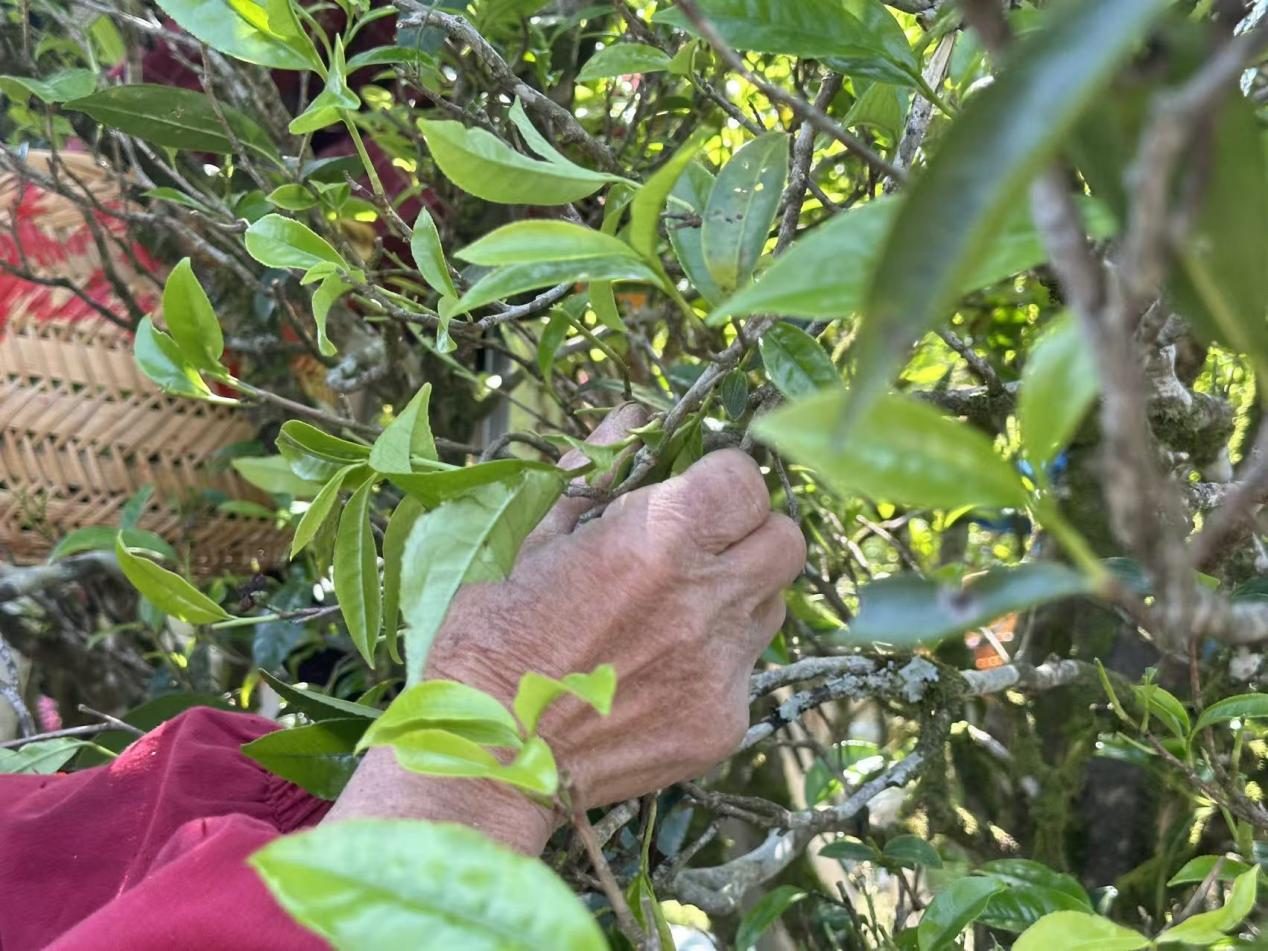
Phoenix Dan Cong is usually picked after the shoot has opened rather than at the tiny bud stage used for many green teas. The local standard allows mature shoots with two to four leaves, depending on season and development. Intact leaves give the maker enough structure for repeated tossing and controlled oxidation.
Sun withering and cooling
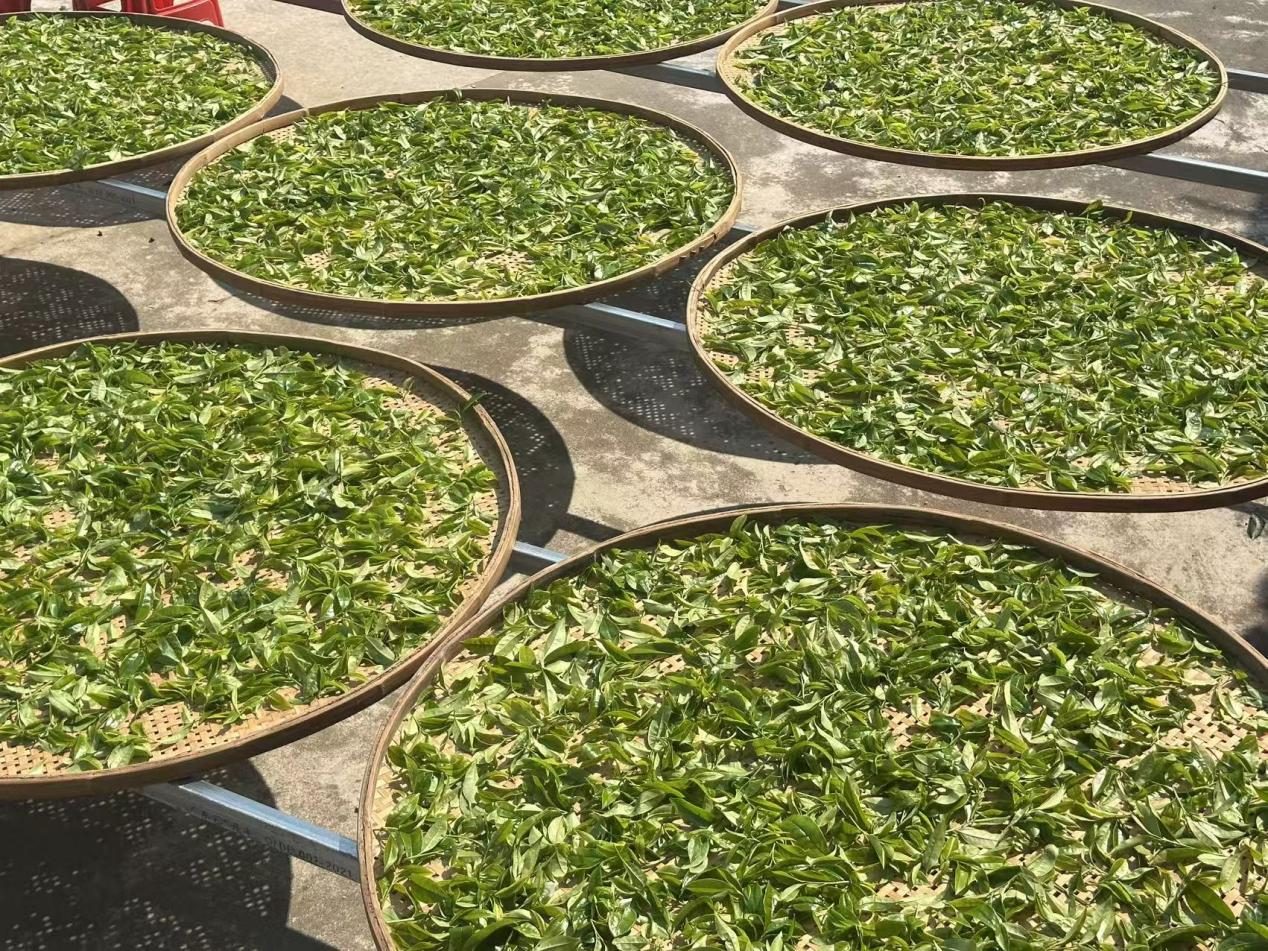
Fresh leaves are spread in a thin layer so they lose some moisture and become more flexible. They are then cooled indoors, allowing moisture to redistribute before the next stage.
Yao qing and oxidation
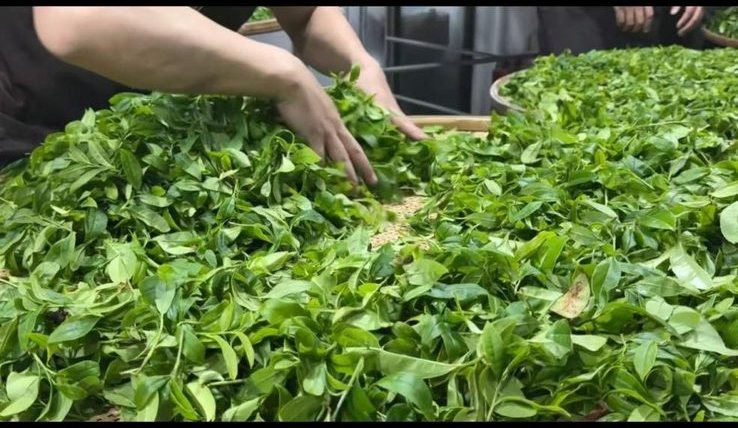
During yao qing, the leaves are tossed and rested in repeated cycles. Contact bruises the leaf edges while the center remains greener. This controlled oxidation helps form the tea’s floral and fruit aroma and produces the traditional red-edged leaf appearance.
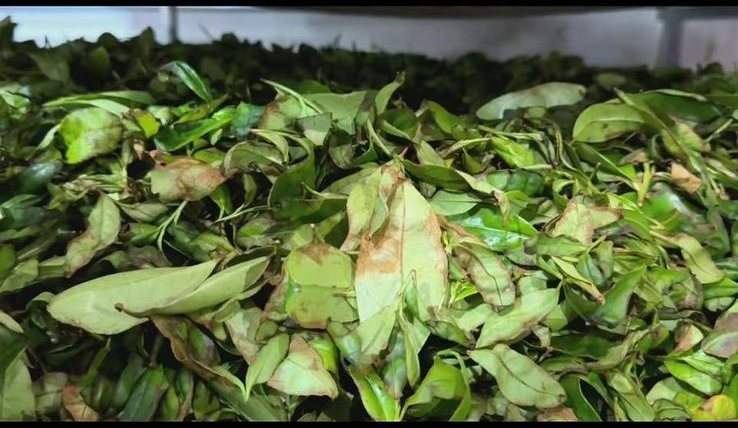
Fixation and rolling
High heat stops further enzymatic oxidation. The softened leaves are then rolled (rou nian) into the long, twisted strips associated with Phoenix Dan Cong.
Drying and roasting
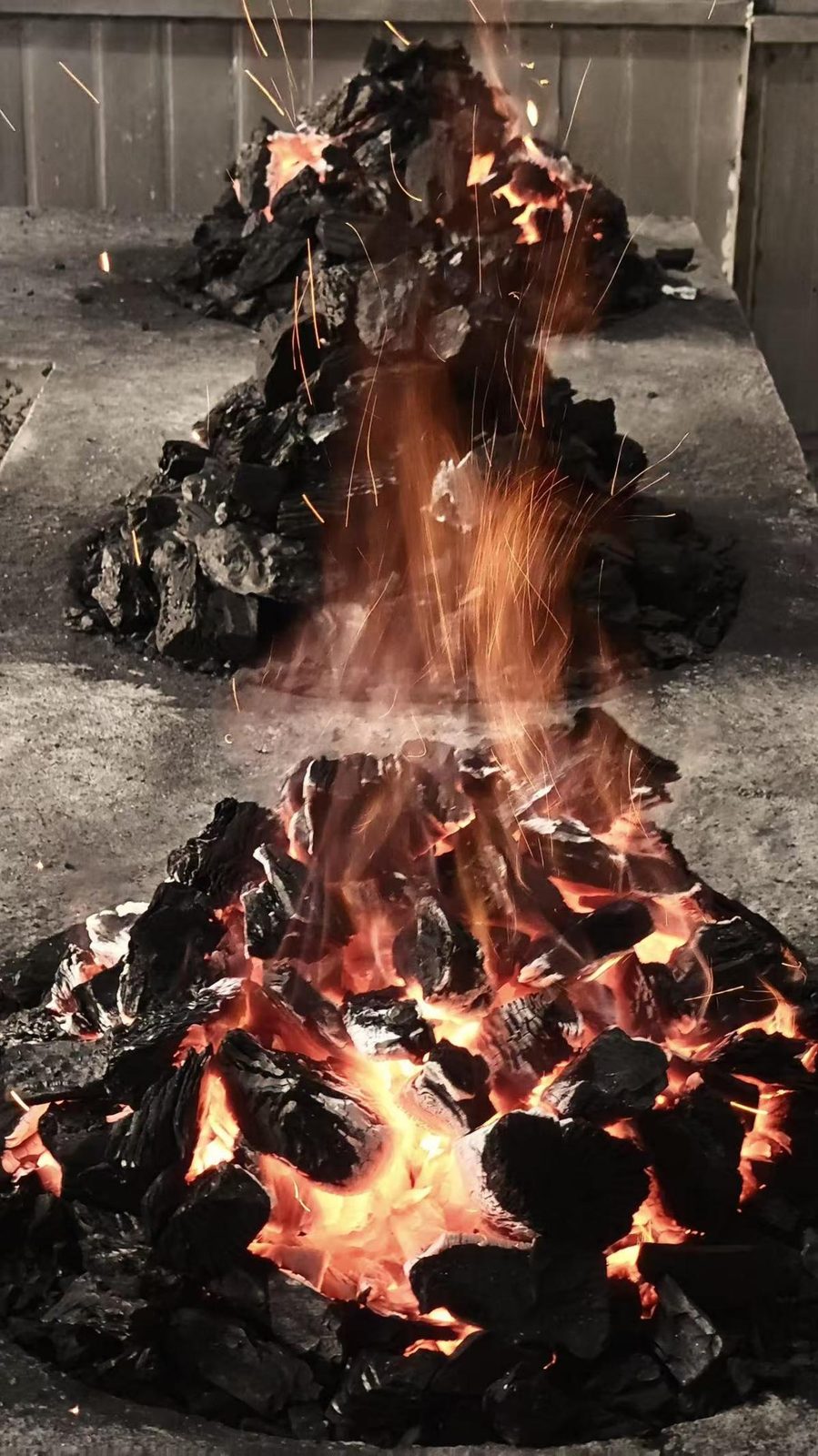
Drying stabilizes the tea. Further roasting can reduce green notes, deepen sweetness, and add nut, wood, or caramel-like tones. Some producers use charcoal, while others use electric heat. Charcoal roasting is a method, not an automatic sign of superior leaf or careful workmanship.
How to choose Phoenix Dan Cong tea
Before paying a premium for a mountain name or tree-age claim, look for information that helps you predict the cup:
- Origin: Chaozhou is the broad geographical reference. Wudong, Fenghuang, a village, or a garden should be additional sourcing detail.
- Aroma type or plant line: Look for both pinyin and an English translation so you can compare like with like.
- Harvest: Season and year matter. Spring tea is not the only valid choice, and winter material can produce a distinct aroma profile.
- Roast: Ask whether the tea is light, medium, or heavier roasted and when the last roast occurred.
- Batch description: Useful notes describe aroma in the dry leaf and brewed tea, together with texture, finish, and changes across infusions.
- Storage: The tea should be protected from moisture, light, heat, and strong odors.
- Sample size: If the tea is expensive, buy enough for two or three controlled sessions before committing to a larger quantity.
TAYUNE’s 2026 Wudong Phoenix Dan Cong Oolong Tea – Dongfanghong lists its harvest year, Wudong origin, approximate elevation, stated approximate bush age, aroma profile, and separate gongfu and Western-style starting points so you can judge what is documented before buying.
Explore the 2026 Wudong Dongfanghong
How to brew Phoenix Dan Cong without harshness
Phoenix Dan Cong can become bitter or astringent when too much leaf, long contact time, and aggressive pouring are combined. Start with one repeatable recipe, taste the result, and change only one variable at a time.
Gongfu starting point
- Vessel: 100–120 ml porcelain gaiwan or small Chaozhou teapot
- Leaf: 5–7 g per 100 ml; use up to 8 g only if you can pour quickly
- Water: 95–100°C
- First infusions: 5–10 seconds, then extend gradually
- Pouring: pour steadily and decant completely after each infusion
Preheat the vessel. A brief rinse is optional, especially for a tightly roasted tea, but it is not required for every batch. If the first cup feels sharp, shorten the next infusion before lowering the water temperature. If the aroma is strong but the brewed tea feels thin, add a little more time instead of adding much more leaf.
The Chaozhou Bone China San Cai Gaiwan is available in sizes suited to this style. For a broader explanation of ratios, temperature, and controlled adjustments, see How to Brew Tea Properly.
Read the Complete Brewing Guide
Mug or basket-infuser method
Use about 3 g of leaf in 250 ml of water at 90–95°C. Start at two minutes, remove the infuser completely, and adjust the next cup. This lower leaf-to-water ratio needs more time than gongfu brewing; a 15-second steep is usually too short unless substantially more leaf is used.
How to store Phoenix Dan Cong
Keep the tea sealed, dry, cool, dark, and away from strong odors. A foil-lined bag inside a clean tin gives practical protection for daily use. Do not assume every roasted Phoenix Dan Cong improves indefinitely with age. Roast level, remaining moisture, packaging, and storage conditions all affect how the tea changes.
The Chaozhou geographical-indication standard does not impose one universal 36-month shelf life. It states that the producer should determine shelf life according to the actual product under suitable packaging and storage. Follow the product label and evaluate aroma and condition after opening.
Phoenix Dan Cong tea questions
Does Phoenix Dan Cong contain added flowers or flavoring
Traditional unflavored Phoenix Dan Cong is tea only. Its floral, fruity, and honey-like impressions come naturally from the plant material, growing environment, and processing. Check the ingredient list and seller description because the name alone cannot verify every product in the market.
What does Dan Cong mean
The term is commonly translated as “single bush.” Historically it referred to selecting and processing distinctive trees separately. Modern commercial Phoenix Dan Cong may also be made from groups of trees belonging to the same cultivar or lineage.
Is Ya Shi Xiang the same as milk oolong
No. Ya Shi Xiang is Phoenix Dan Cong. “Milk Oolong” more commonly refers to Taiwan’s Jin Xuan cultivar or, in some commercial products, flavored oolong. Some Ya Shi Xiang batches may feel creamy or almond-like, but those are tasting notes rather than its tea category.
Does charcoal-roasted Phoenix Dan Cong have less caffeine
Roast level is not a dependable way to predict caffeine in the cup. Leaf dose, water temperature, infusion time, and the tea itself all affect caffeine extraction. If you are sensitive to caffeine, use less leaf, drink it earlier in the day, and judge your own response.
What water works best
Use fresh water without chlorine or strong odor. Filtered water with moderate mineral content is a practical starting point. Very hard water can mute aroma, while highly purified water can make the cup taste flat.
Sources and further reading
- Chaozhou standard DB4451/T 1-2021: Product of Geographical Indication — Fenghuang Dancong Tea
- Chaozhou Phoenix Dan Cong tea naming rules T/CZTTBZ 002-2021
- Understanding the aroma diversity of Dancong tea
- Characterization of key odorants in Lingtou Dancong oolong tea at different altitudes
- Identification and similarity analysis of aroma substances in major Fenghuang Dancong types