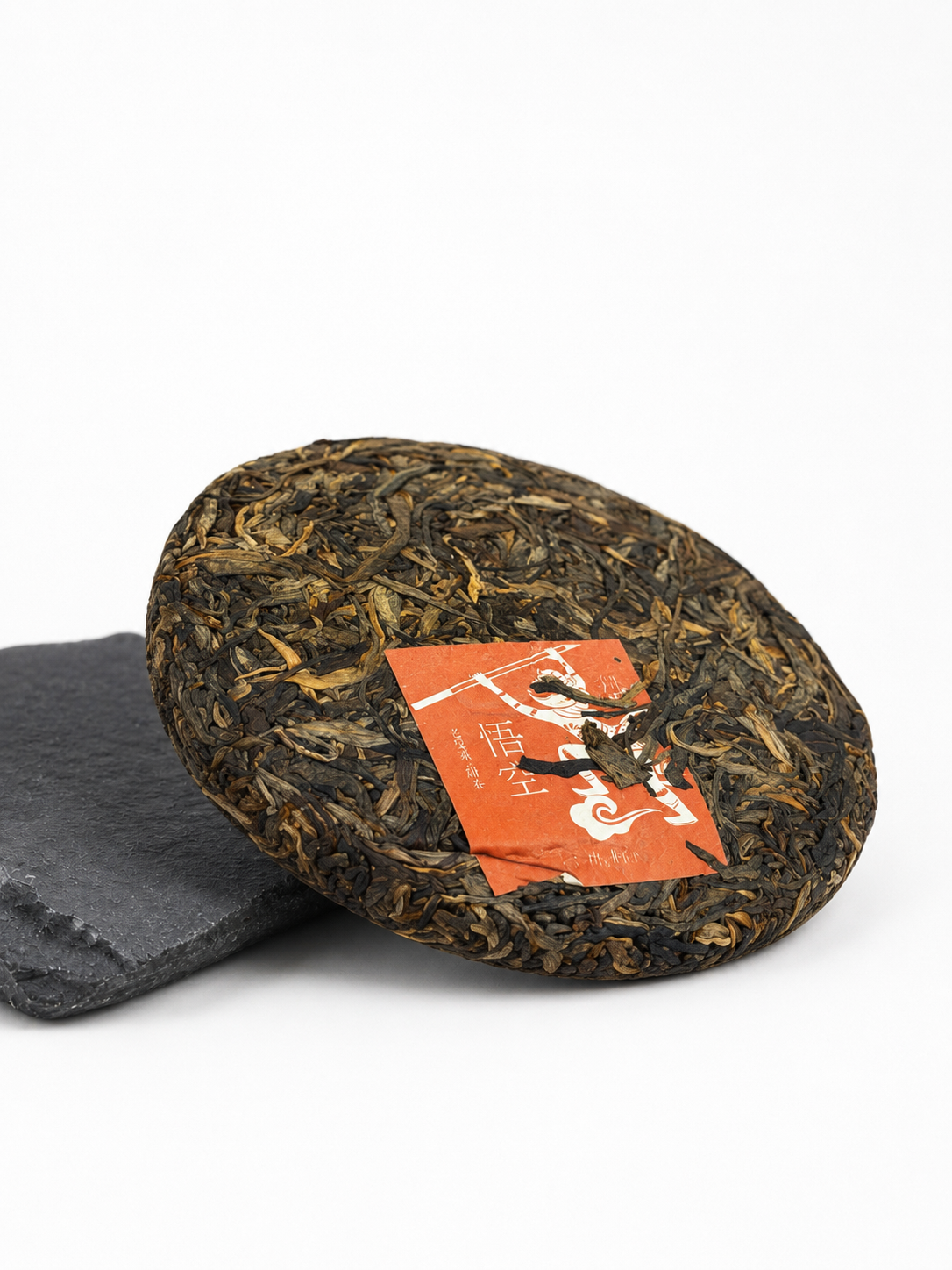
Tea cakes are one of the most recognizable forms of Chinese tea, especially Pu-erh tea. But how does loose tea become a compact, round cake?
The process involves much more than simply pressing tea leaves together. From fresh leaves to the finished cake, every step influences the aroma, flavor, texture, and aging potential of the tea.
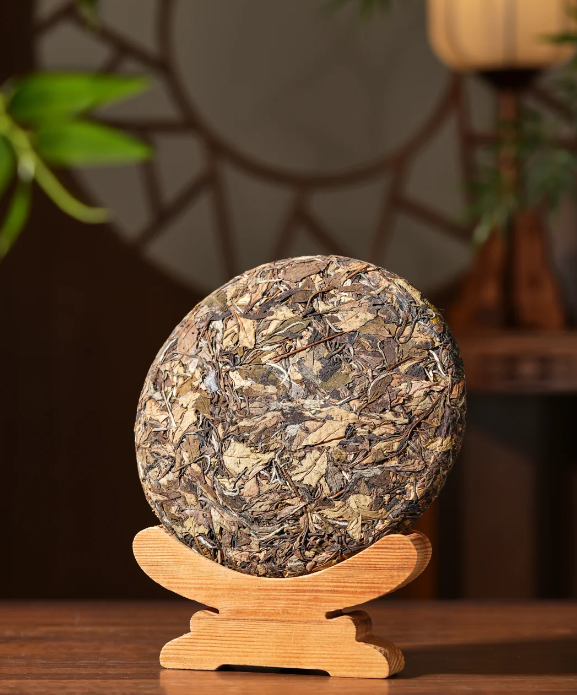
1. Picking the Tea Leaves
The process begins in the tea garden.
Fresh leaves are carefully picked according to season, tea variety, and desired flavor. For Pu-erh tea, one bud with one or two leaves is commonly used.
Good raw material is the foundation of a high-quality tea cake.
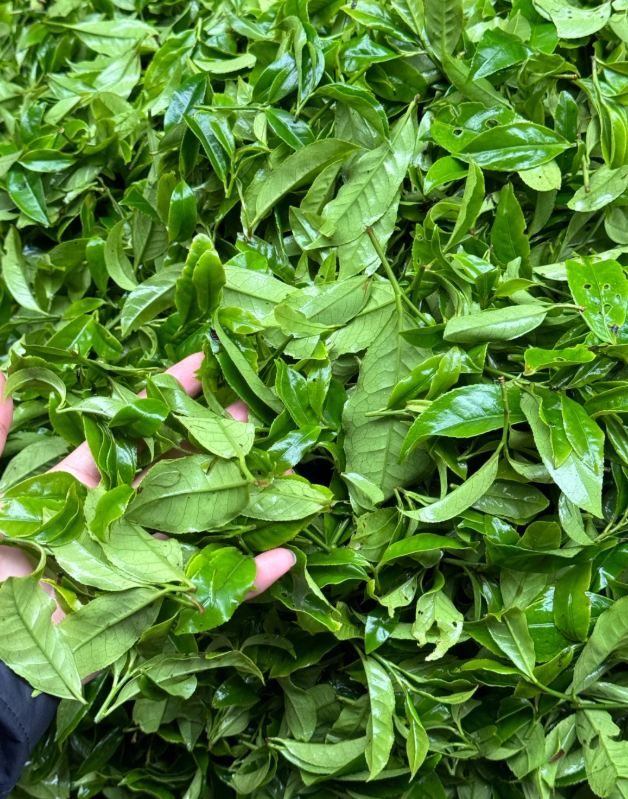
2. Withering and Kill-Green
After picking, the leaves are spread out to lose some moisture.
They are then heated in a wok or processing machine. This step, known as “kill-green,” slows oxidation and removes some of the fresh grassy aroma.
Temperature control is important because overheating can damage the natural character of the tea.
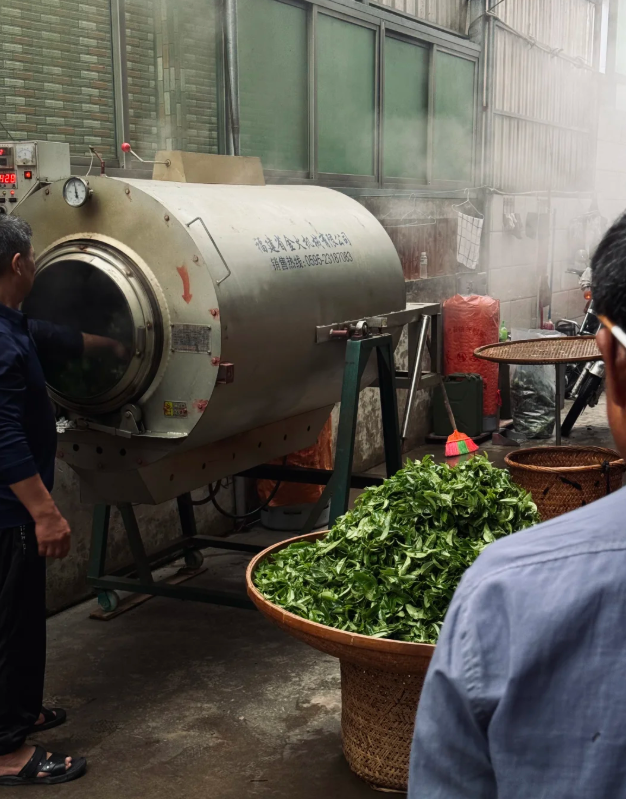
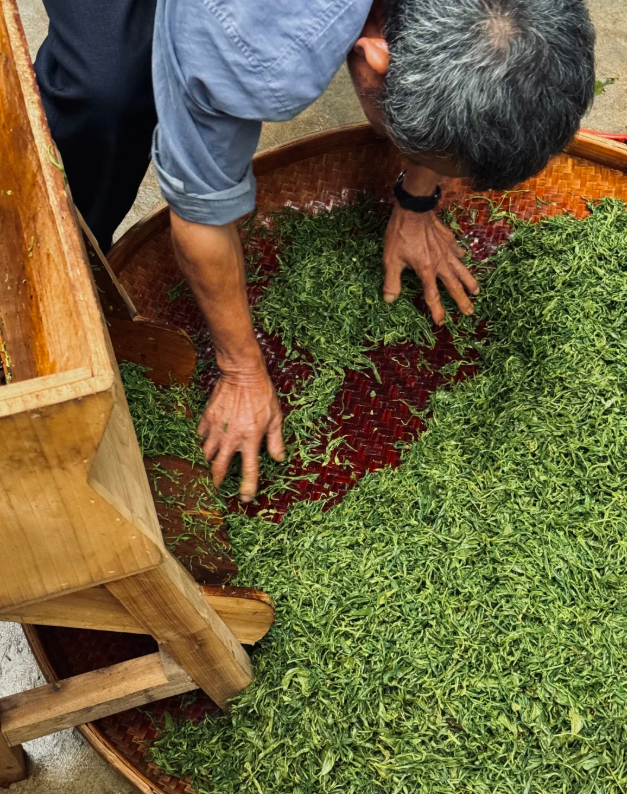
3. Rolling and Sun-Drying
The softened leaves are gently rolled to shape them and release some of their natural compounds.
After rolling, the tea is traditionally dried under sunlight.
For Pu-erh tea, this creates what is known as sun-dried Maocha, the main raw material used for pressing tea cakes.
4. Sorting and Blending
Once dried, the tea is sorted to remove unwanted stems, broken leaves, and impurities.
Some tea cakes are made from a single origin, while others combine leaves from different areas, seasons, or grades.
Blending can help create a more balanced aroma, body, sweetness, and finish. For a blend in cake form, 2010 Wei Zhi Yan combines material from six tea mountains.
5. Shaping and Pressing
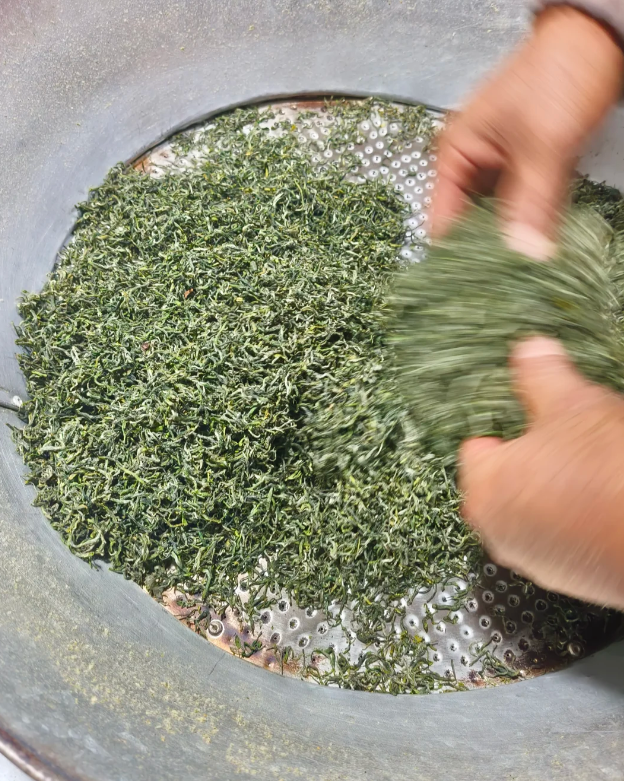
The steamed tea is placed into a cloth bag and shaped by hand.
It is then pressed using either a traditional stone mold or a modern hydraulic press.
Traditional stone pressing usually produces a slightly looser cake, while machine pressing creates a more uniform shape.
A good tea cake should be firm enough to hold its form, but not so tight that it becomes difficult to break apart.
6. Drying and Packaging
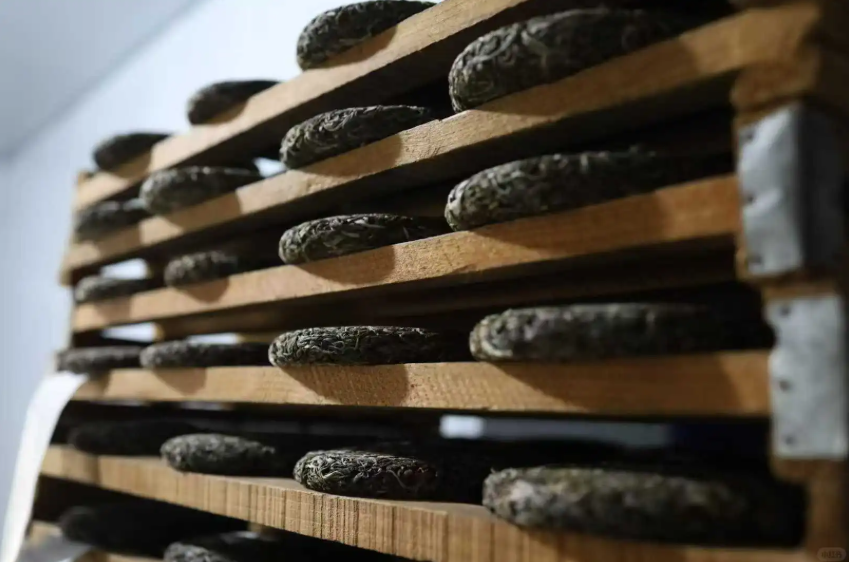
After pressing, the tea cake is removed from the cloth and allowed to dry.
This step is essential because steaming introduces moisture into the leaves.
Only after the tea is completely dry can it be wrapped and packaged for storage.
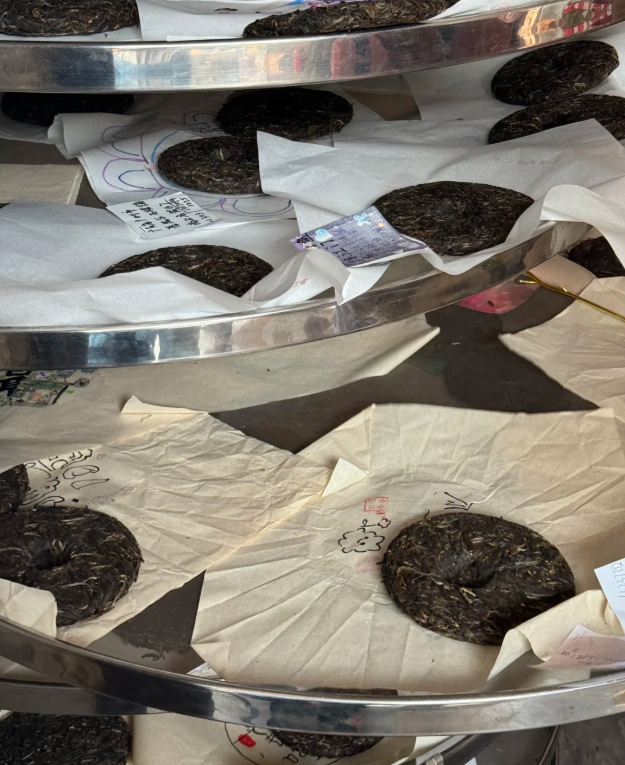
Many traditional tea cakes are wrapped in breathable paper, helping protect the tea while allowing gradual aging.
Raw vs. Ripe Pu-erh Tea Cakes
Raw Pu-erh tea is made from sun-dried Maocha that is directly steamed and pressed.
Ripe Pu-erh goes through an additional fermentation process before pressing.
Raw Pu-erh usually has a fresher and more vibrant character, while ripe Pu-erh tends to be smoother, darker, and more mellow. For a ripe cake, 2018 Mountain Majesty is made from 2016 Bulang leaf material and pressed in 2018.
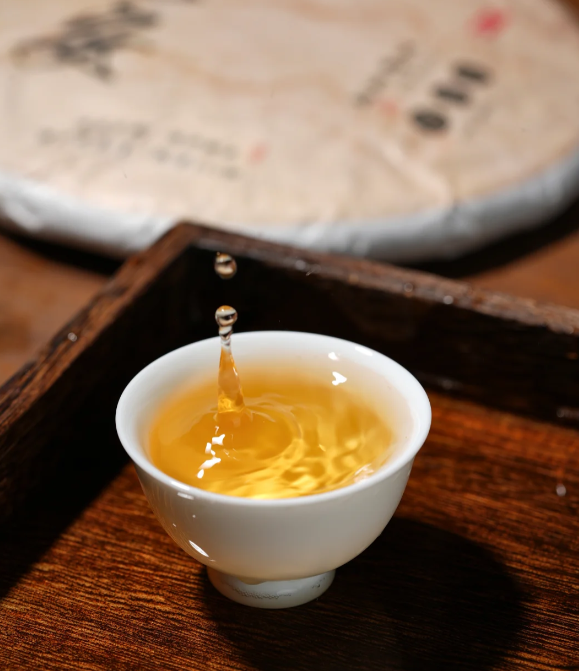
Why Is Tea Pressed Into Cakes?
Pressing tea into cakes originally made transportation and storage much easier.
Today, tea cakes are still popular because they:
- Save storage space
- Protect the tea leaves
- Are convenient for long-term aging
- Preserve an important part of traditional Chinese tea culture
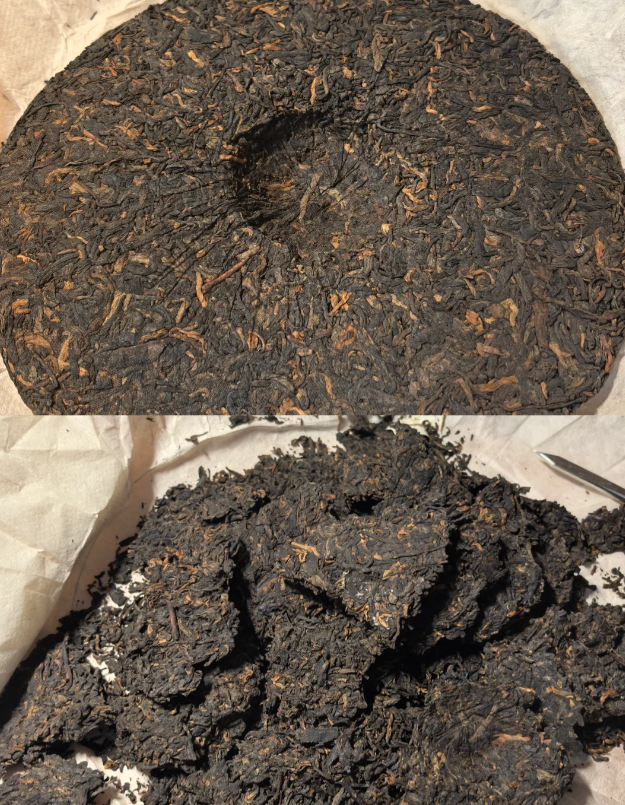
A Tea Cake Is More Than Pressed Tea
A well-made tea cake reflects the quality of the leaves, the skill of the tea maker, and the conditions in which it is stored.
From picking and sun-drying to steaming and pressing, every stage contributes to the final character of the tea.
The next time you open a tea cake, take a moment to look at its leaves, aroma, and shape. Behind every cake is a long journey from the tea garden to your cup.