October 10, 2026
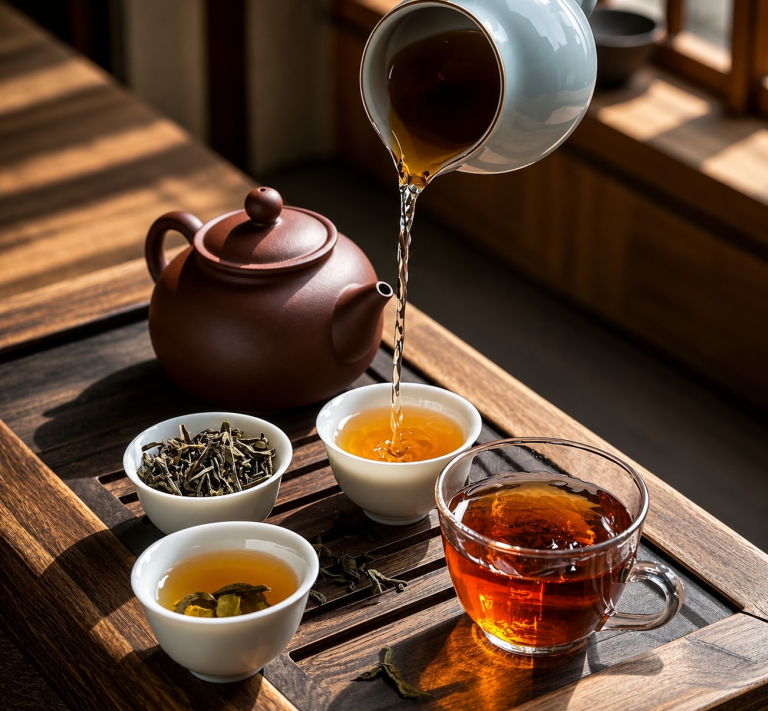
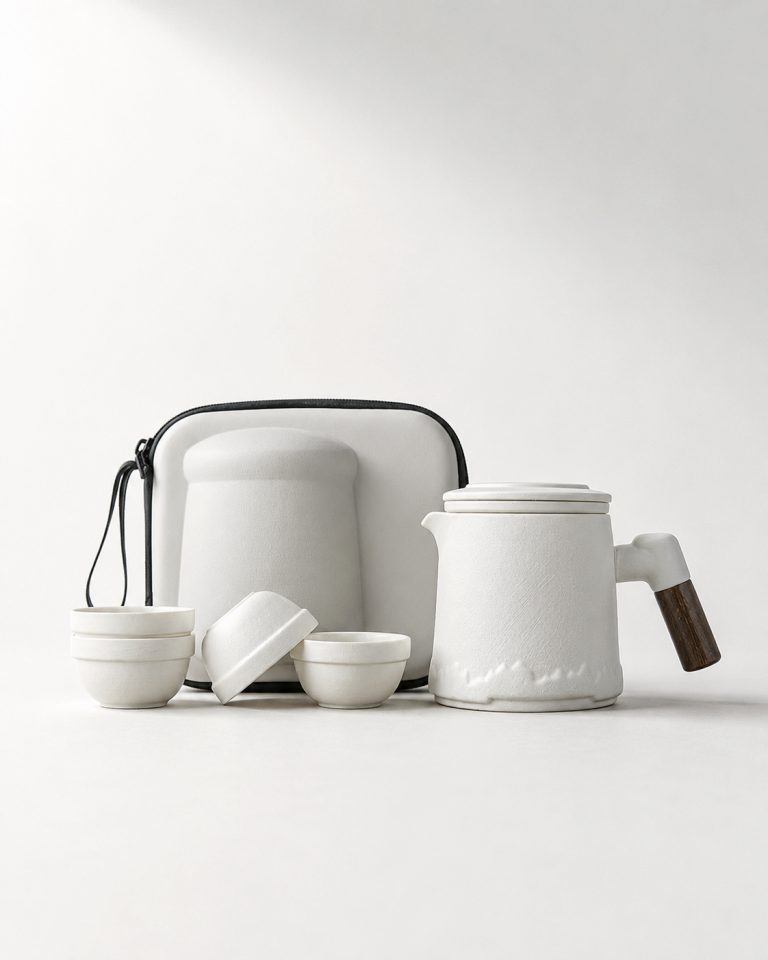
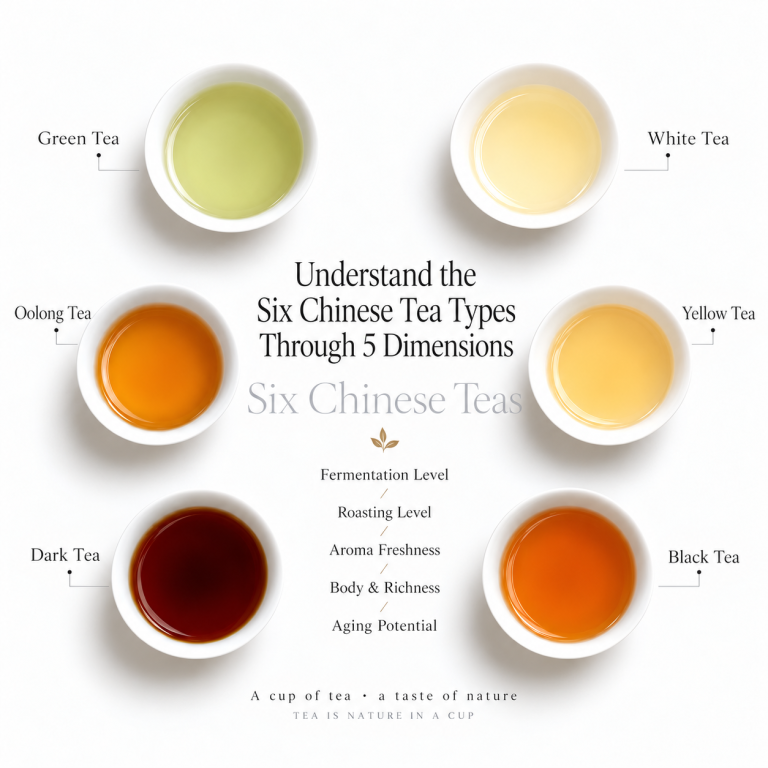
A practical beginner's guide to Chinese tea types, flavors, buying, brewing and a first three-tea order using currently available TAYUNE products.
Read the article →

September 18, 2026
For many new tea drinkers, this can be a major challenge before brewing tea. How do you pry Pu-erh tea apart? Which tools should you choose? What methods…
Read the article →

September 9, 2026
A practical guide to Phoenix Dan Cong oolong, including natural aroma types, Chaozhou origins, processing, buying checks, and reliable gongfu brewing.
Read the article →

September 7, 2026
Explore Yunnan’s most famous Pu-erh tea regions, from Yiwu and Bulang to Jingmai and Bingdao, and discover how mountain terroir shapes flavor. When people talk about exceptional Pu-erh…
Read the article →
September 3, 2026
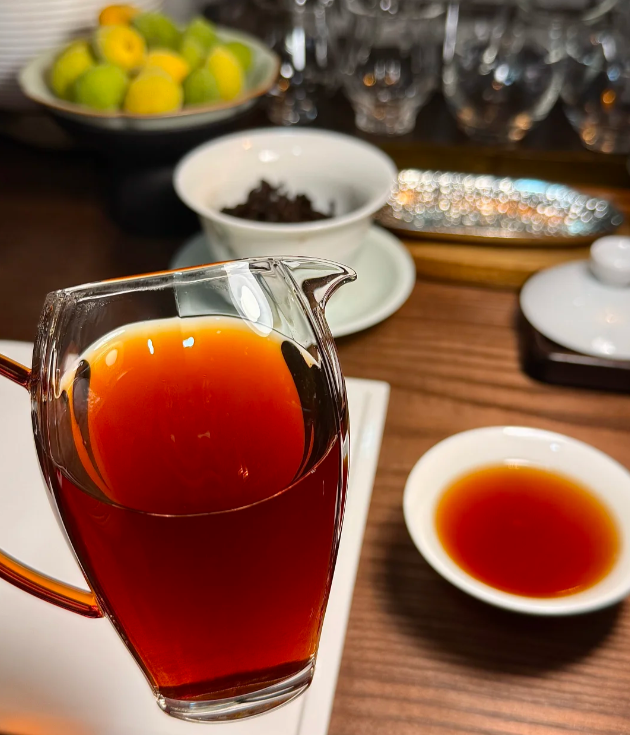
A practical Gongfu guide for raw and ripe Pu-erh, with a longer-steep option for a regular teapot. Hot water, a small vessel and short infusions are all you…
Read the article →
August 27, 2026
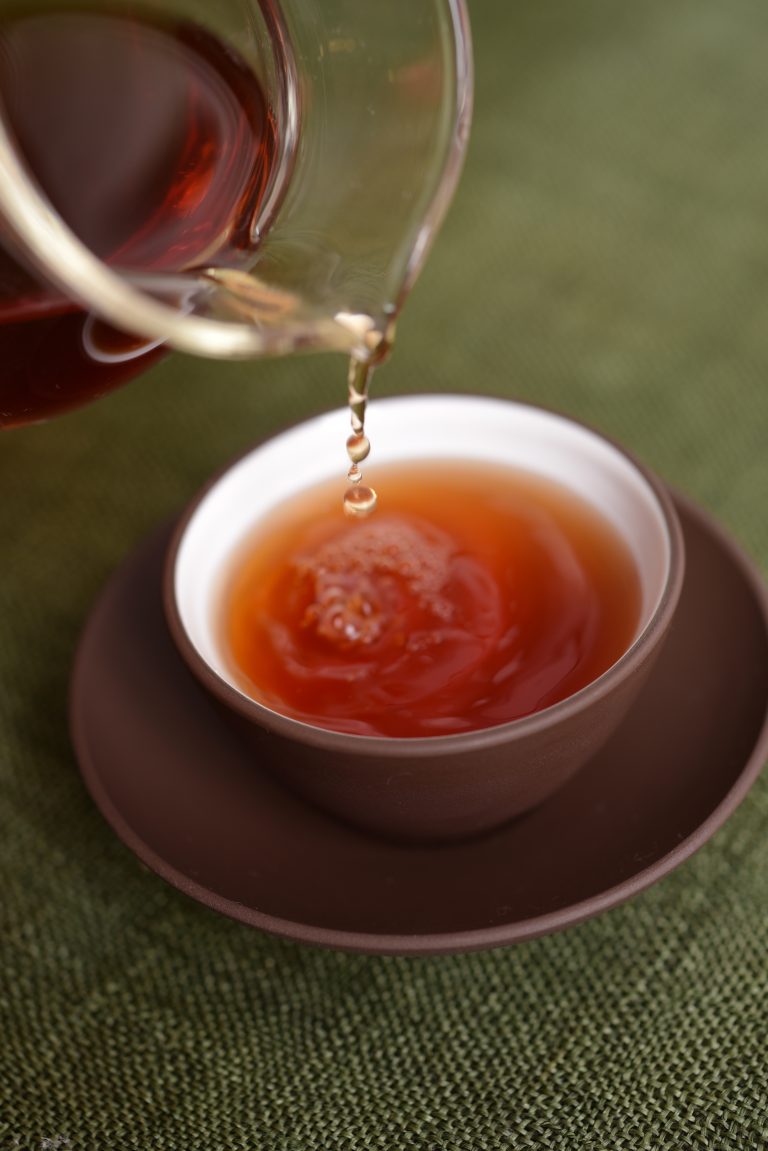
To store a Pu-erh tea cake at home, keep its clean paper wrapper and place it in an odor-free container in a shaded cupboard. Protect it from dampness,…
Read the article →
August 25, 2026
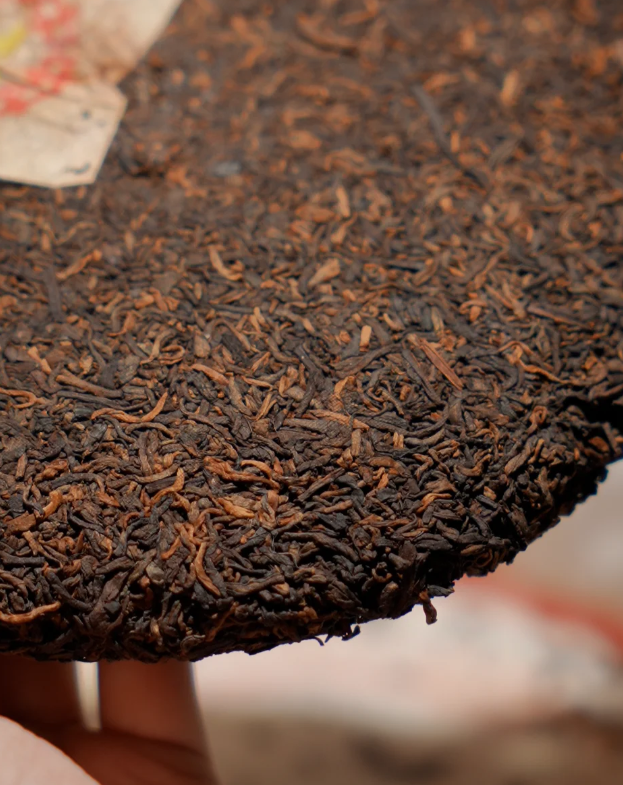
Yes — Pu-erh tea can get better with age, but age alone does not guarantee better quality. Both raw and ripe Pu-erh can change during storage. Aroma, flavor…
Read the article →
August 21, 2026
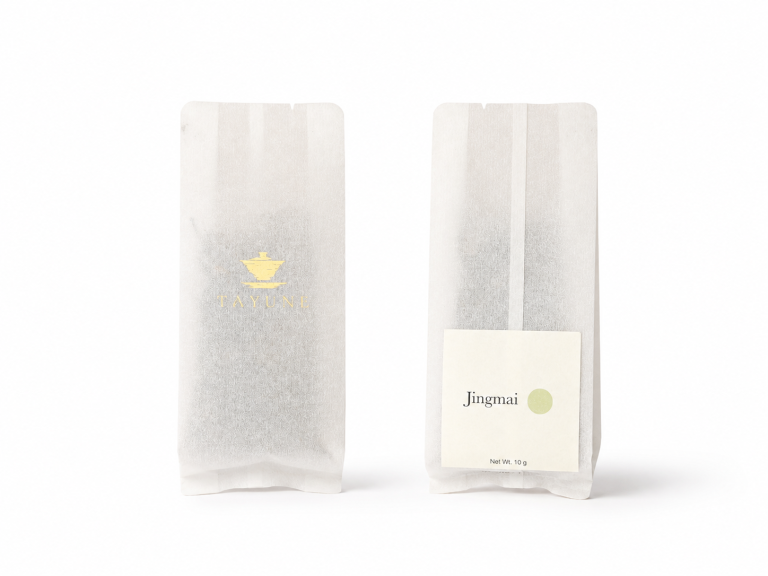
Discover Pu-erh tea with a beginner-friendly sampler featuring both raw and ripe Pu-erh. Taste different Yunnan teas before choosing a full cake. New to Pu-erh? Start with Samples.…
Read the article →
August 17, 2026
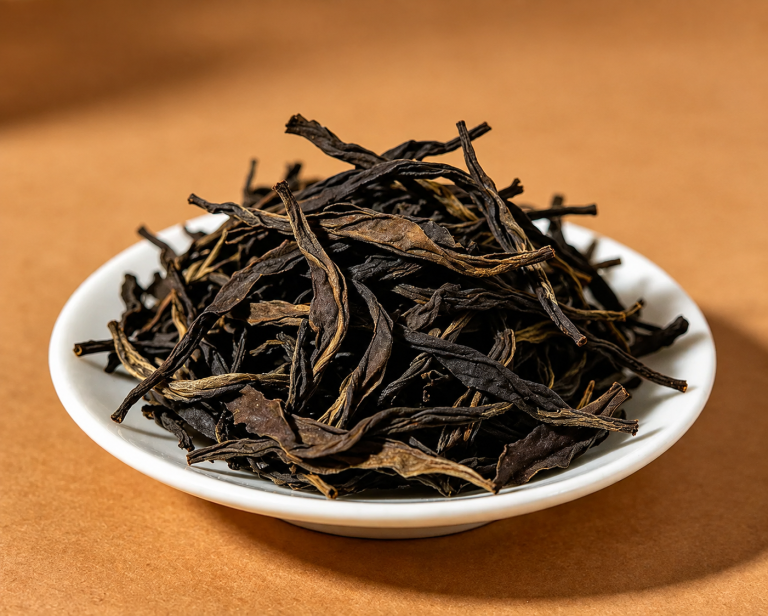
Pu-erh is a tea from Yunnan, China, made from Yunnan large-leaf sun-dried tea. Its two main styles are raw (sheng) and ripe (shou). Raw Pu-erh is not wet-pile…
Read the article →