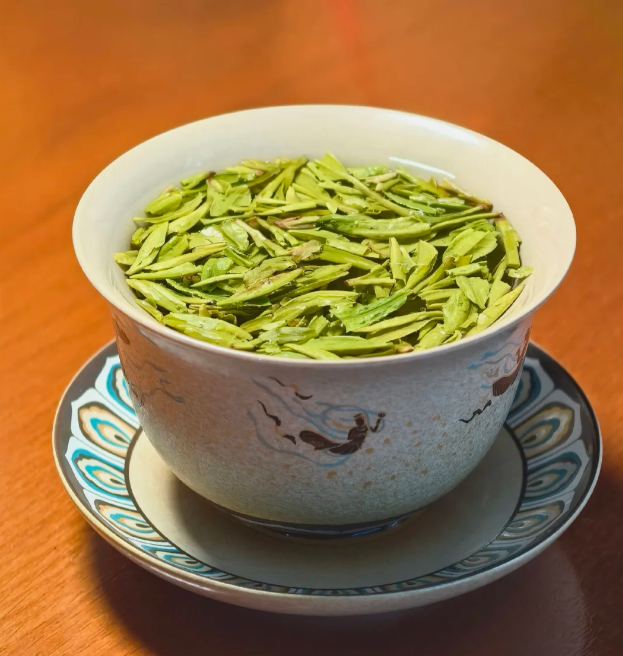
Following the Fresh Trail of Green Leaves
Within China’s vast and diverse tea family, green tea is the oldest, most widely consumed, and most closely connected to everyday life. As one of China’s six major tea categories, it has delighted generations with its clear liquor, vibrant green leaves, refreshing aroma, and naturally sweet finish.
Unlike fermented teas, green tea undergoes minimal oxidation, allowing it to preserve much of the leaf’s original character, natural fragrance, and fresh taste. Simple yet refined, it is one of the purest expressions of the tea plant.
To understand Chinese green tea is to explore not only a beverage, but also thousands of years of history, craftsmanship, regional culture, and daily tradition.

The Origins of Chinese Green Tea
The history of green tea runs through almost the entire development of Chinese tea culture. It is generally regarded as the earliest form of tea consumed in China.
As early as the pre-Qin period, people had already discovered the culinary and medicinal value of tea leaves. Fresh leaves were sometimes eaten directly or boiled with other ingredients. These simple practices can be considered the earliest forms of green tea consumption.
During the Han dynasty, tea gradually evolved from a medicinal herb and food ingredient into an everyday drink. Tea cultivation became more organized, and early methods of heating and processing fresh leaves began to emerge.
The Tang dynasty marked the first golden age of Chinese green tea. Tea drinking became fashionable throughout society, from the imperial court and scholarly circles to ordinary households. At the time, steaming was the dominant processing method. The resulting teas were neatly shaped and produced a clear, refreshing liquor.
This period also saw the publication of The Classic of Tea by Lu Yu, the world’s earliest known comprehensive work dedicated to tea. The book documented tea cultivation, production, utensils, preparation, and appreciation, establishing the cultural foundation of Chinese tea and securing green tea’s central place within it.
After the Song dynasty, tea-making techniques continued to develop. Steaming was gradually replaced in many regions by pan-firing, which created stronger aromas and a fuller, fresher taste. This method remains one of the defining techniques of Chinese green tea production today.
By the Ming and Qing dynasties, green tea had become increasingly diverse. Tea-growing regions developed their own distinctive varieties according to local climate, soil, altitude, and craftsmanship. Green tea became a mainstream daily beverage across China, a position it continues to hold today.
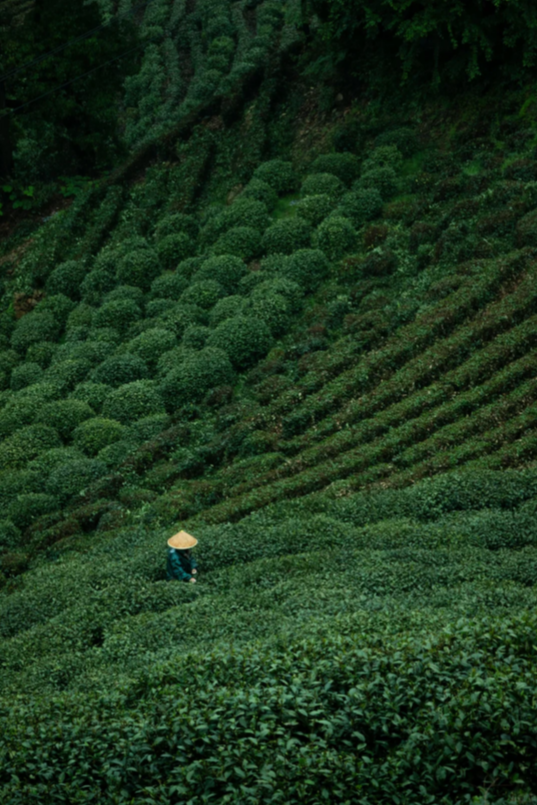
The Cultural Meaning of Green Tea
After thousands of years of development, green tea has become far more than a drink. It carries deep cultural meaning and reflects many traditional Chinese ideas about life, character, and beauty.
Chinese green tea is often associated with four qualities: purity, subtlety, elegance, and authenticity.
Its clear liquor, green leaves, gentle fragrance, and natural taste reflect an appreciation for simplicity and restraint. These qualities also correspond with traditional ideals of modesty, integrity, inner calm, and freedom from excessive desire.
For generations, poets, scholars, artists, and philosophers have enjoyed green tea as a companion for reading, writing, painting, meditation, and conversation. Tea and poetry became deeply intertwined, leaving behind many celebrated verses.
One well-known line describes gathering spring tea in the mountains and preparing it among bamboo. Another, written by Su Shi, encourages people to brew fresh tea over a new fire and enjoy poetry, wine, and the best years of life.
These poems reveal that green tea has never been appreciated only for its taste. It represents a state of mind: calm, attentive, refined, and fully present.
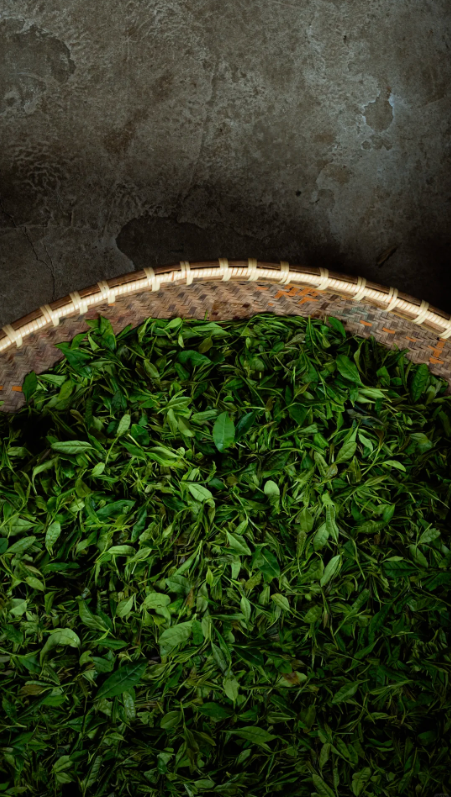
Green Tea and Chinese Hospitality
Green tea also plays an important role in Chinese hospitality.
In many Chinese households, the first gesture offered to a guest is a freshly brewed cup of tea. The act may appear simple, but it expresses sincerity, warmth, and respect.
A cup of green tea does not need to be extravagant. Its natural and understated character suits the traditional Chinese values of courtesy, humility, and harmony.
Whether served during festivals, family gatherings, business meetings, or casual visits between friends, green tea creates an atmosphere of comfort and connection. It quietly brings people together.
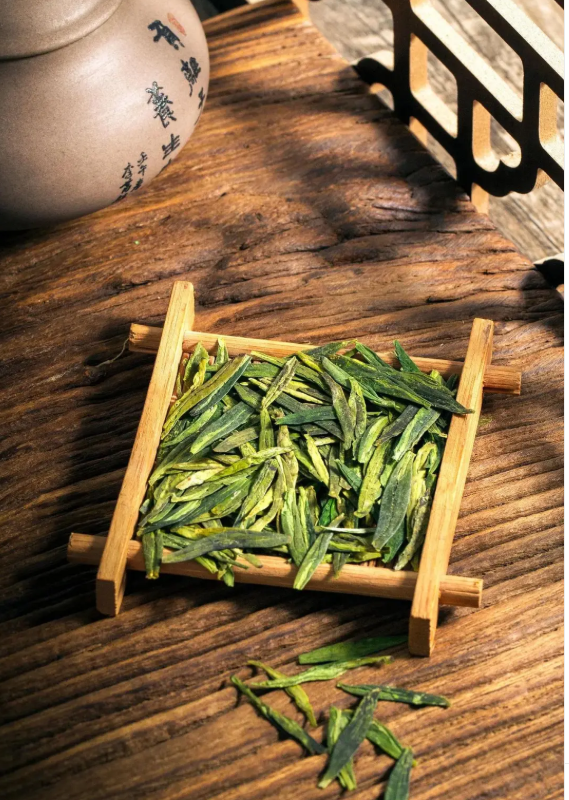
The Enduring Purity of Chinese Green Tea
From the earliest practice of boiling fresh leaves to the carefully pan-fired teas of today, Chinese green tea has travelled through thousands of years while preserving its essential character.
It does not depend on extensive fermentation or overwhelmingly strong flavors. Instead, its charm lies in freshness, purity, balance, and the natural expression of the leaf.
Green tea is rooted in the Chinese landscape, shaped by regional craftsmanship, celebrated in poetry, shared through hospitality, and enjoyed in everyday life. Its story connects ancient traditions with modern living.
To understand green tea is to discover one of the purest beginnings of Chinese tea culture. Its quiet elegance, refreshing taste, and enduring authenticity are the reasons it has remained beloved for thousands of years—and why it continues to inspire tea drinkers around the world today.