Our Story · Guangzhou & Menghai

Tea, passed from father to son.

TAYUNE began long before it had a name. It began with my father, who entered the tea trade in Guangzhou in 1988. I grew up around the leaves he selected, the teas he brewed, and the conversations that unfolded across the tea table.

His journey—from wholesale markets to tea mountains, and from trading finished products to working at the source—shaped the way I understand tea today. TAYUNE is my way of continuing that work and sharing it with tea drinkers beyond China.

01 / 1988 · Guangzhou

A beginning in Guangzhou

My father began buying, processing, and selling tea in Shiweitang, Fangcun, Guangzhou, in 1988.

During those early years, he supplied tea to organizations involved in tea import and export in Guangdong, regional supply cooperatives, local trading companies, hotels, restaurants, and traditional teahouses throughout the province.

It was a practical education in tea. Consistency mattered because customers returned for the same teas year after year. Reputation was built slowly—through dependable quality, honest descriptions, and the willingness to stand behind every batch.

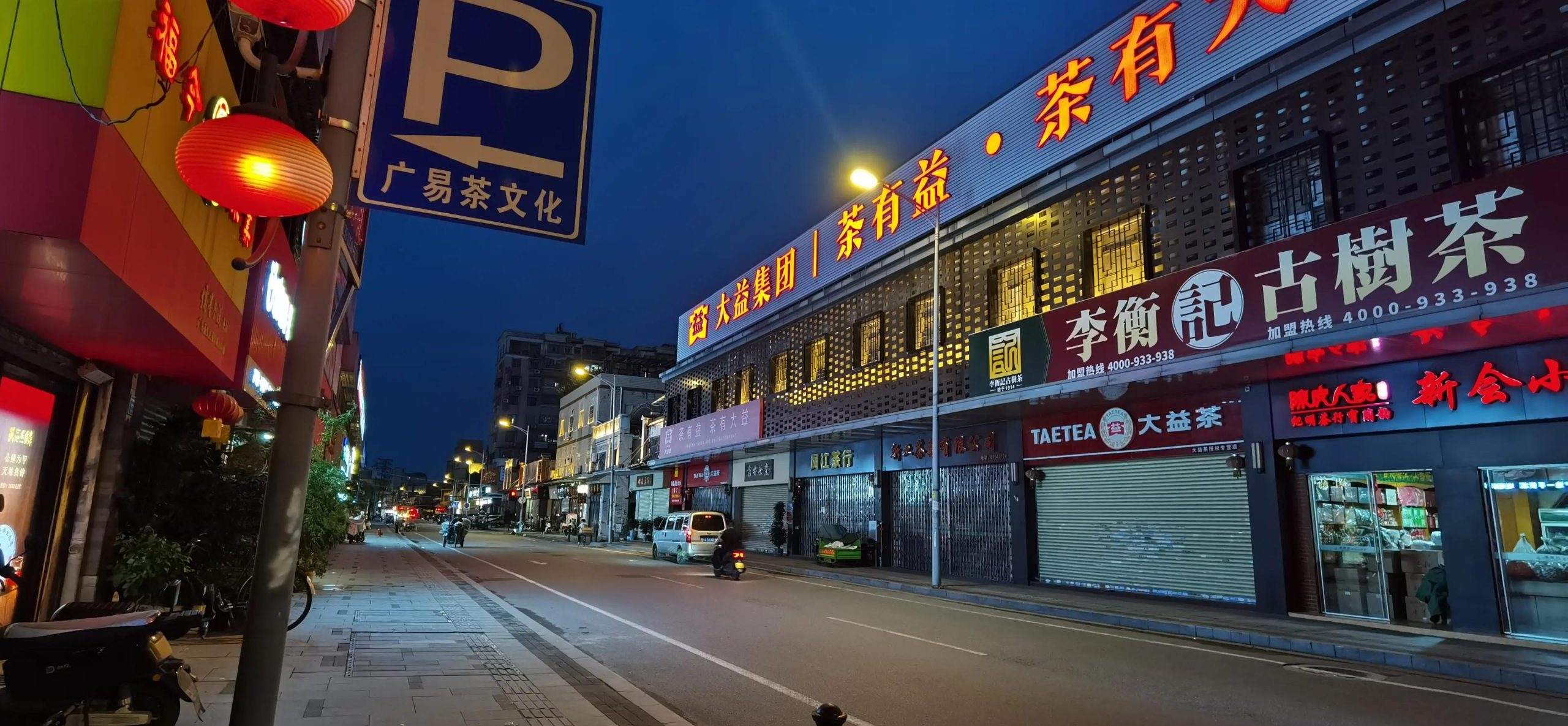
Guangzhou Fangcun tea market, where the family tea business began in 1988.
Guangzhou Fangcun tea market · the beginning of our family tea business
02 / Across China

Beyond Guangdong

As China’s tea market expanded during the 1990s, my father began travelling beyond Guangdong to understand tea closer to its source.

His work took him through the producing regions of Fujian, Guangxi, Hunan, Zhejiang, and Yunnan. Rather than relying entirely on traders and labels, he visited growing areas, compared regional styles, and built direct relationships with producers.

These journeys taught him that tea cannot be understood by appearance alone. Place, cultivar, season, processing, storage, and the judgment of the maker all leave their mark on the final cup.

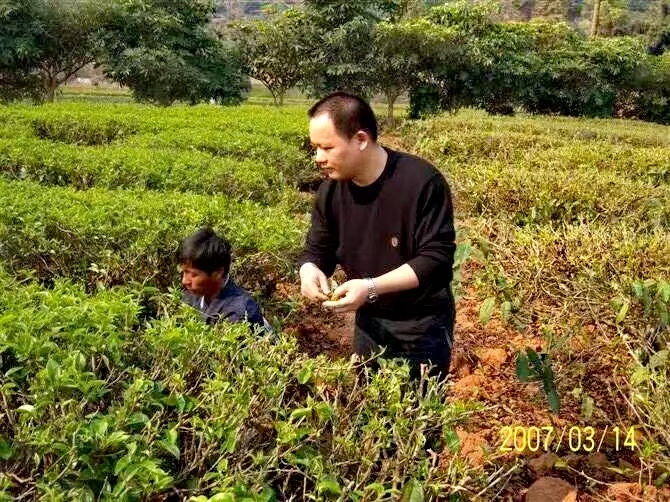
Tea garden visit with a local tea grower in Yunnan in March 2007.
Tea garden visit with a local grower · Yunnan, March 2007
03 / Pu-erh

Learning through the rise and correction of pu-erh

By the beginning of the 2000s, pu-erh had become an increasingly important part of my father’s work. His business handled teas from established producers including Dayi, Xiaguan, Liming, and Fengqing, serving both everyday drinkers and long-term collectors.

The rapid growth of the market also brought speculation. Pu-erh was sometimes treated less as a drink and more as a financial product. When that market corrected sharply in 2007, the industry went through a difficult period of reassessment.

What remained was the tea itself. Drinkers became more attentive to ecological origin, raw-material quality, mountain character, processing, and the way a tea developed across multiple infusions. For my father, this confirmed a principle that had guided his work from the beginning: a tea must ultimately be worth drinking.

04 / 2008 · Menghai

Returning to the source

In 2008, my father moved the centre of his work to Menghai County in Xishuangbanna, one of Yunnan’s most important pu-erh-producing regions. There, he established Menghai Dehechang Tea Co., Ltd.

The purpose was straightforward: to understand and control more of the process at its source.

Working with experienced local tea farmers in Bulang Mountain and Huazhuliangzi, the team established primary-processing facilities close to the growing areas. Fresh leaves could be processed soon after picking, while origin, material, and production decisions remained traceable.

This brought the work closer to the tea itself—from fresh-leaf selection and primary processing to refinement and final production.

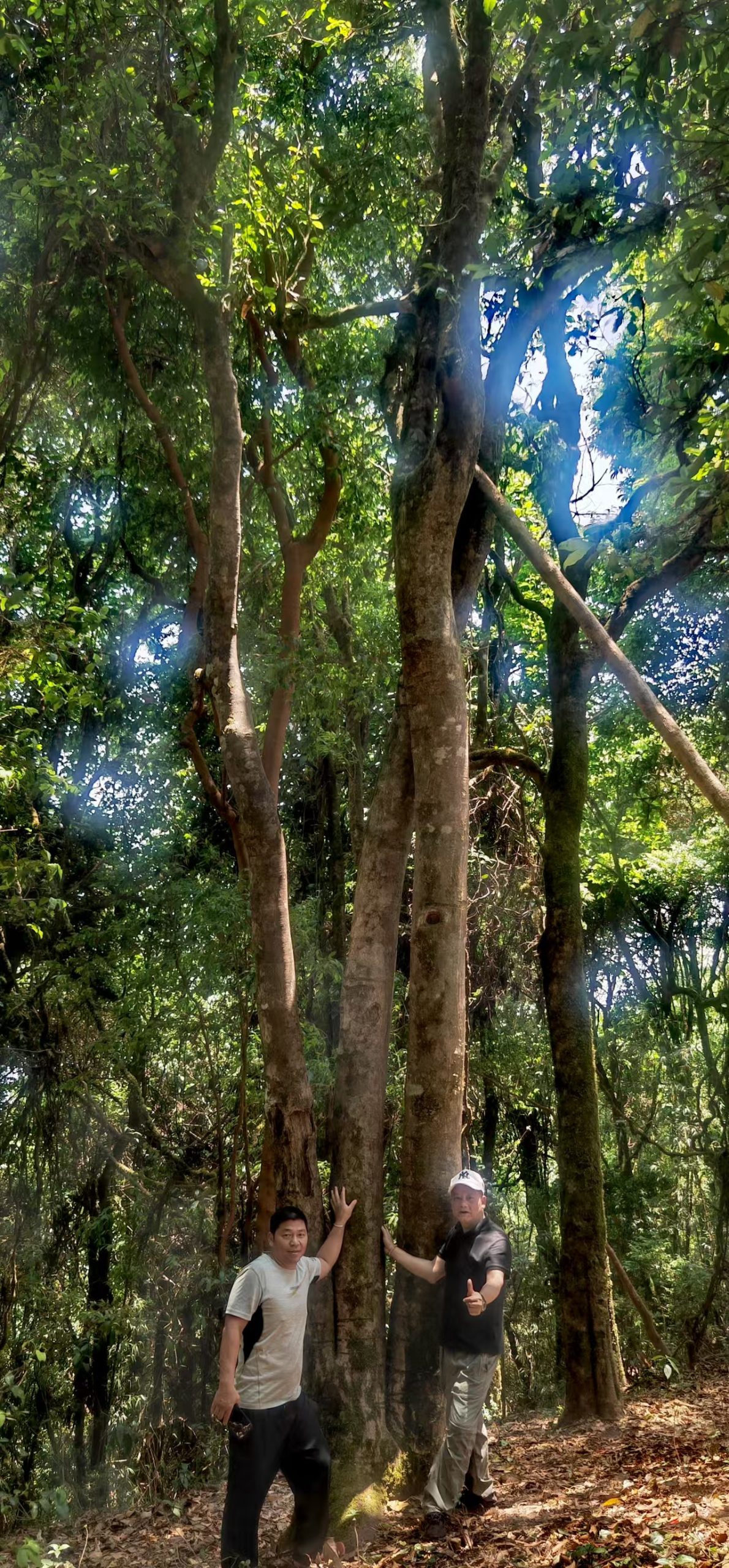
My father standing beside an ancient tea tree in Yunnan.
Beside an ancient tea tree · Yunnan
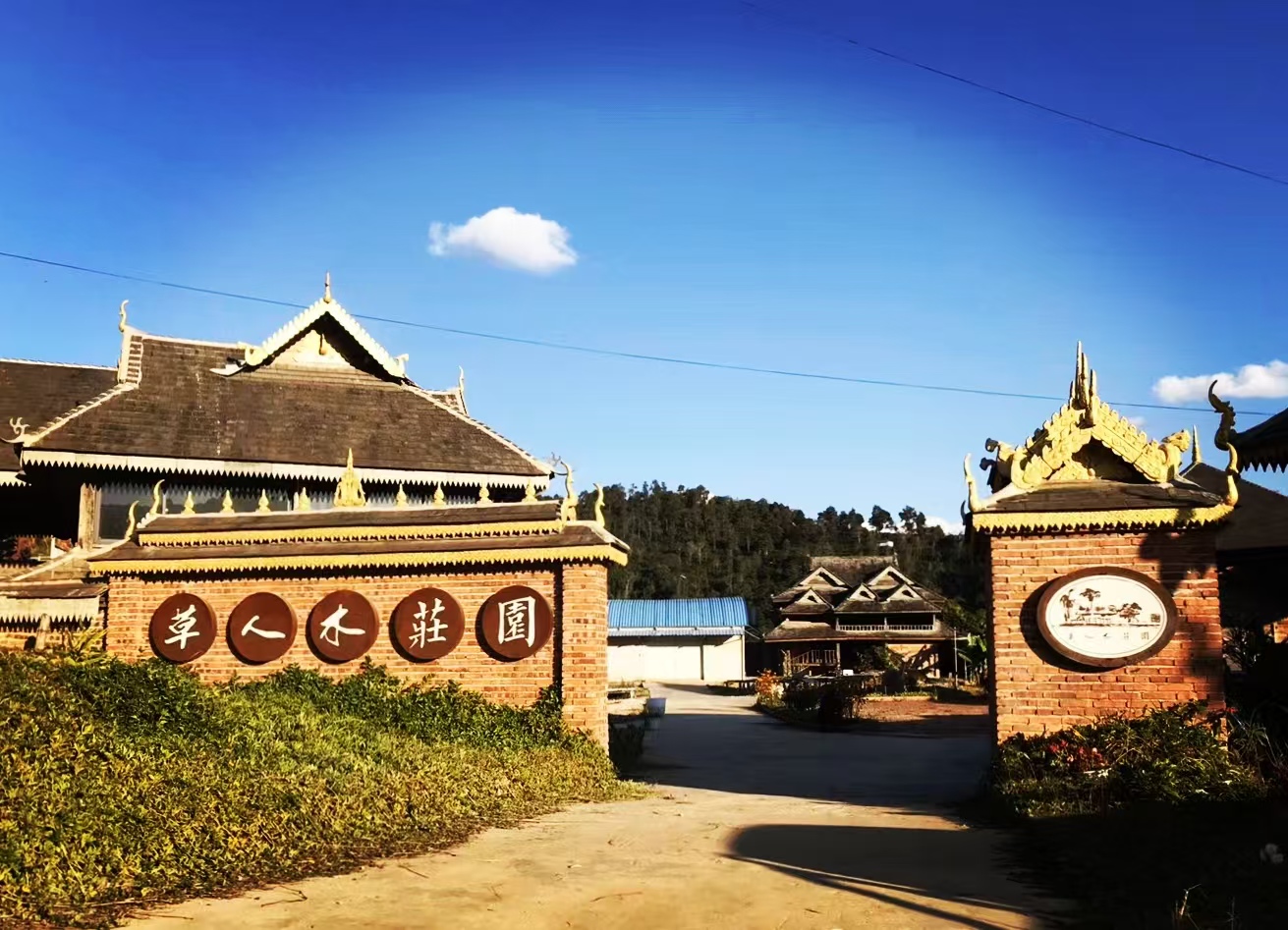
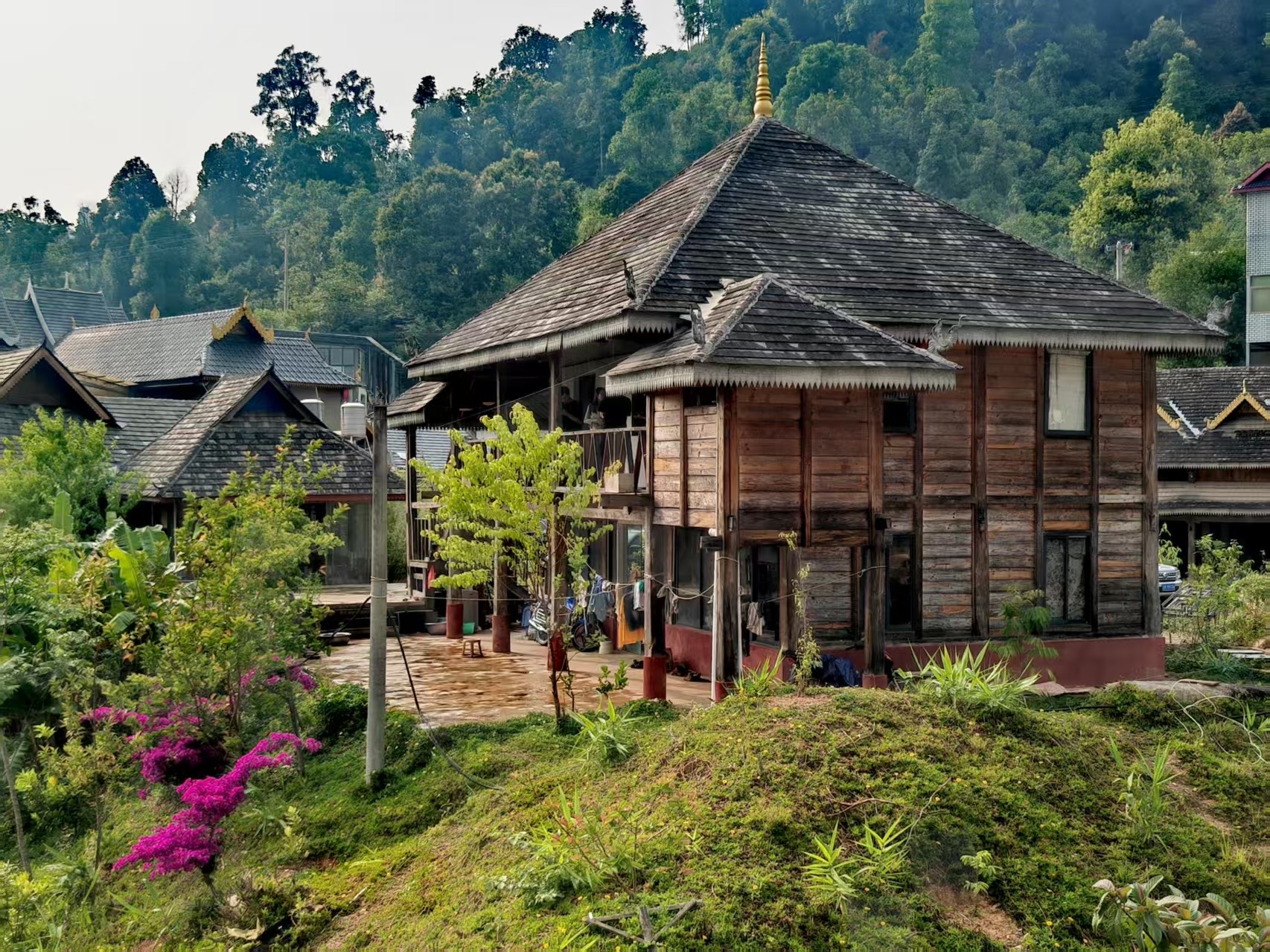
The entrance to our primary tea processing workshop in Menghai, Yunnan.
Our primary-processing workshop · Menghai
05 / Craft

Made close to the mountain

Tea begins to change as soon as it is picked. Primary processing close to the mountain is therefore more than a matter of convenience—it is an important part of preserving the character of the leaf.

Working directly with tea farmers also reduces unnecessary layers between the garden and the finished tea. It allows closer attention to harvest timing, leaf condition, processing decisions, and batch consistency.

We do not believe every tea must be expensive or rare. We believe it should be honestly represented, carefully made, and worth returning to.

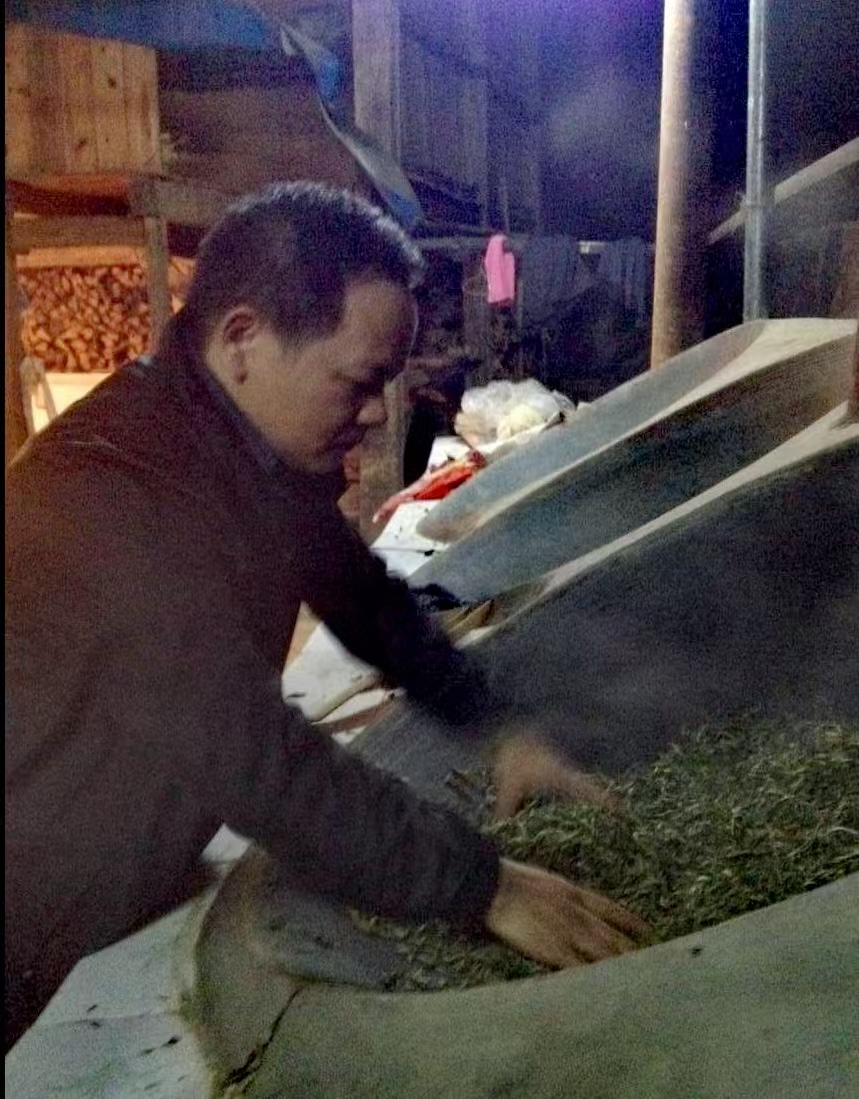
My father hand-roasting tea leaves during primary processing.
Hand-roasting fresh leaves
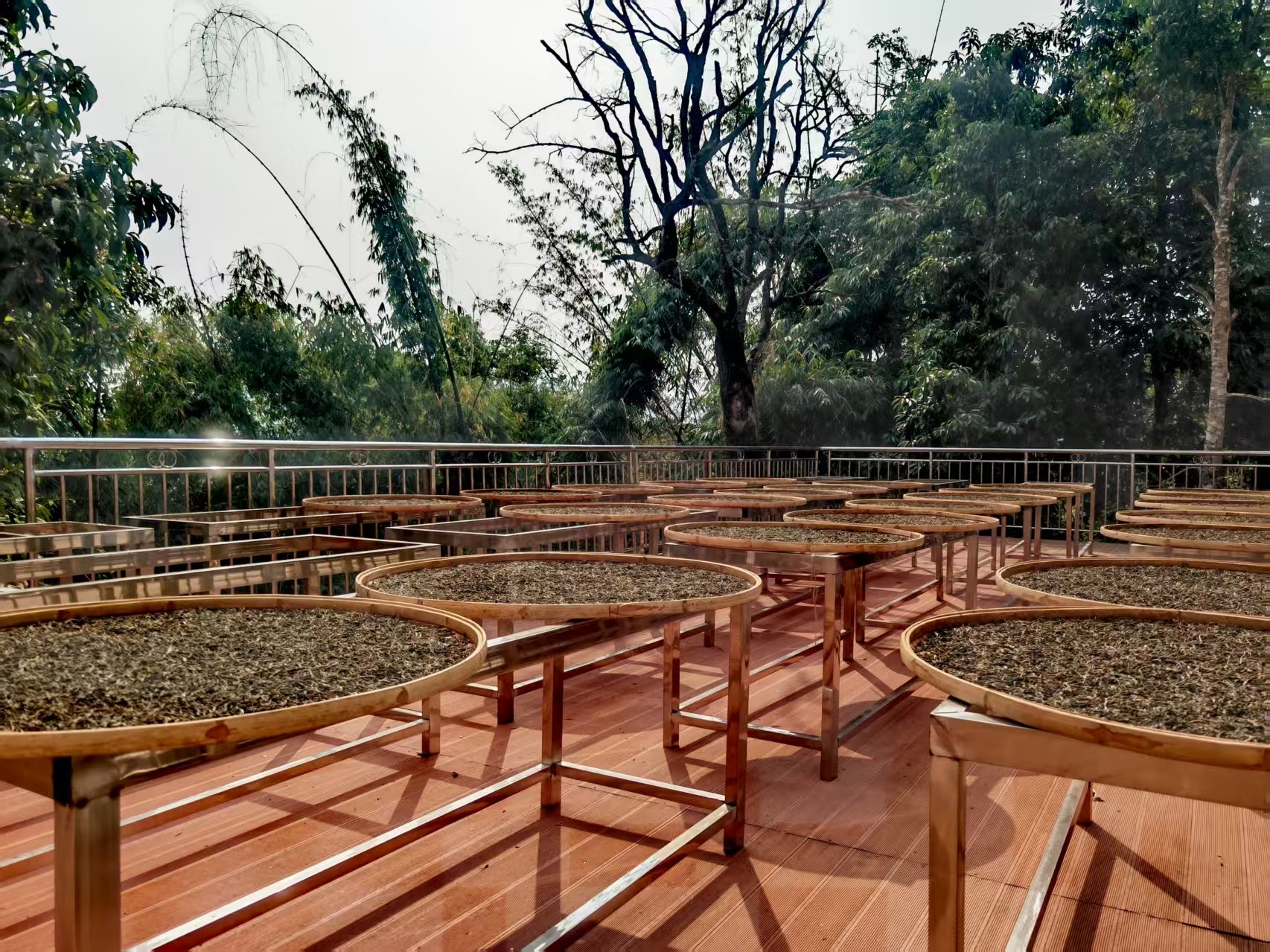
Sun-drying maocha in Yunnan.
Sun-drying maocha in Yunnan
Inside the family primary tea processing workshop in Yunnan.
Inside the primary-processing workshop
06 / Principles

What my father taught me

My father’s experience taught me to approach tea with patience. A famous mountain name does not guarantee a good tea. Attractive packaging does not improve the material inside. Age alone does not create quality. The cup must support the story.

  • Understand the origin before describing the tea.
  • Taste a tea across multiple infusions.
  • Be clear about harvest, storage, and processing.
  • Choose teas for their character, not only their reputation.
  • Offer value that makes sense for the person drinking them.
07 / TAYUNE Today

How TAYUNE continues the story

Today, I operate TAYUNE with direct access to the tea markets and relationships my family has built over decades.

We compare products, taste batches, document the information available to us, and select teas that we believe deserve a place on the tea table. Some come from our family’s own production history; others come from trusted producers and merchants whose work we know.

TAYUNE is still a young name, but the experience behind it is not. Our purpose is to make genuine Chinese tea easier to understand and more accessible to drinkers around the world.

08 / Ongoing Work

Real places, ongoing work

Our story is not a recreated tradition. It continues in the places where we work today: in tea markets, storage rooms, producing areas, and around the tasting table.

We keep learning, because every harvest and every batch is different. We keep records, ask questions, and return to the cup before making a decision.

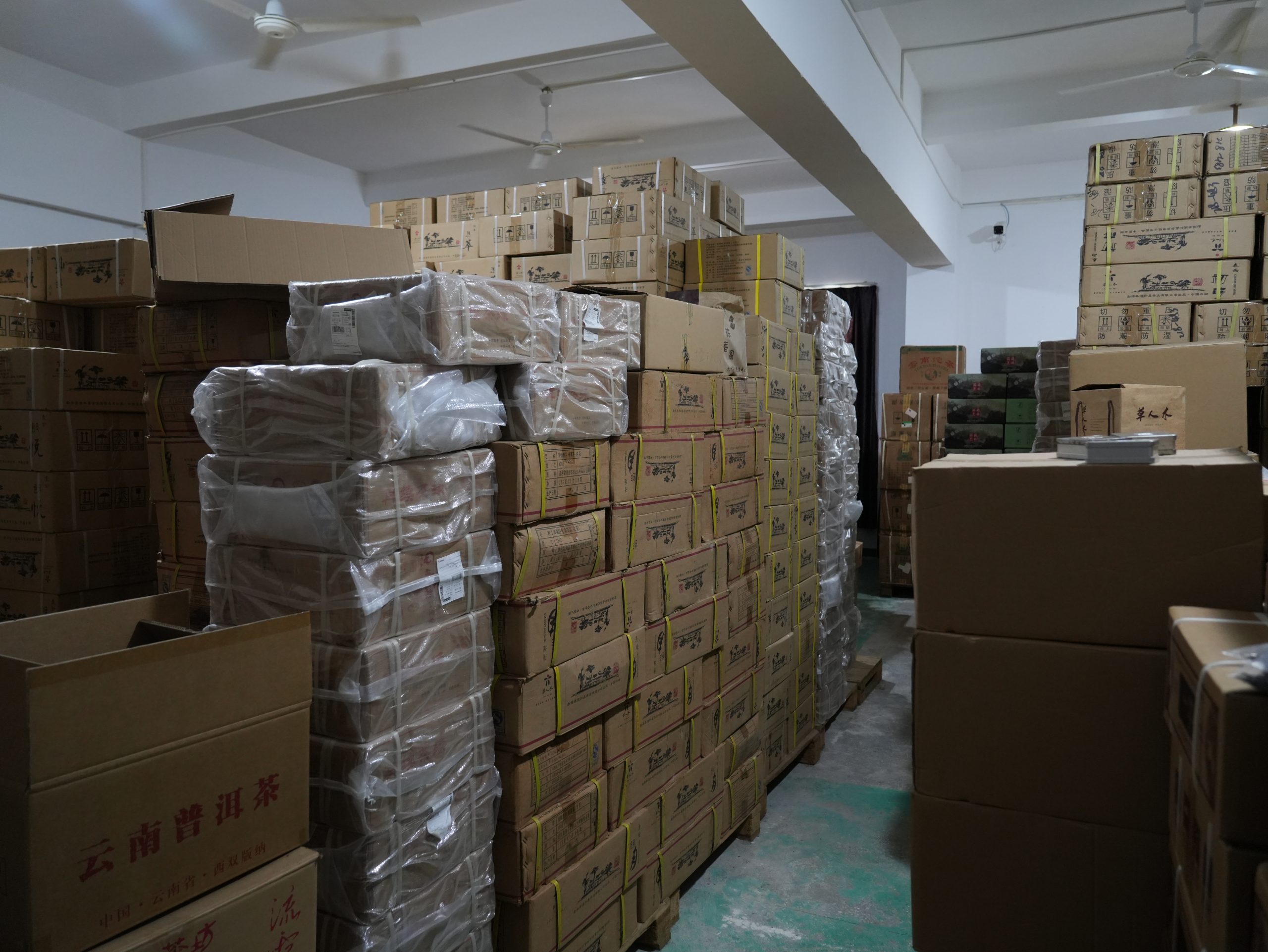
A view inside our present-day tea warehouse in Dongguan, Guangdong.
Our present-day warehouse · Dongguan
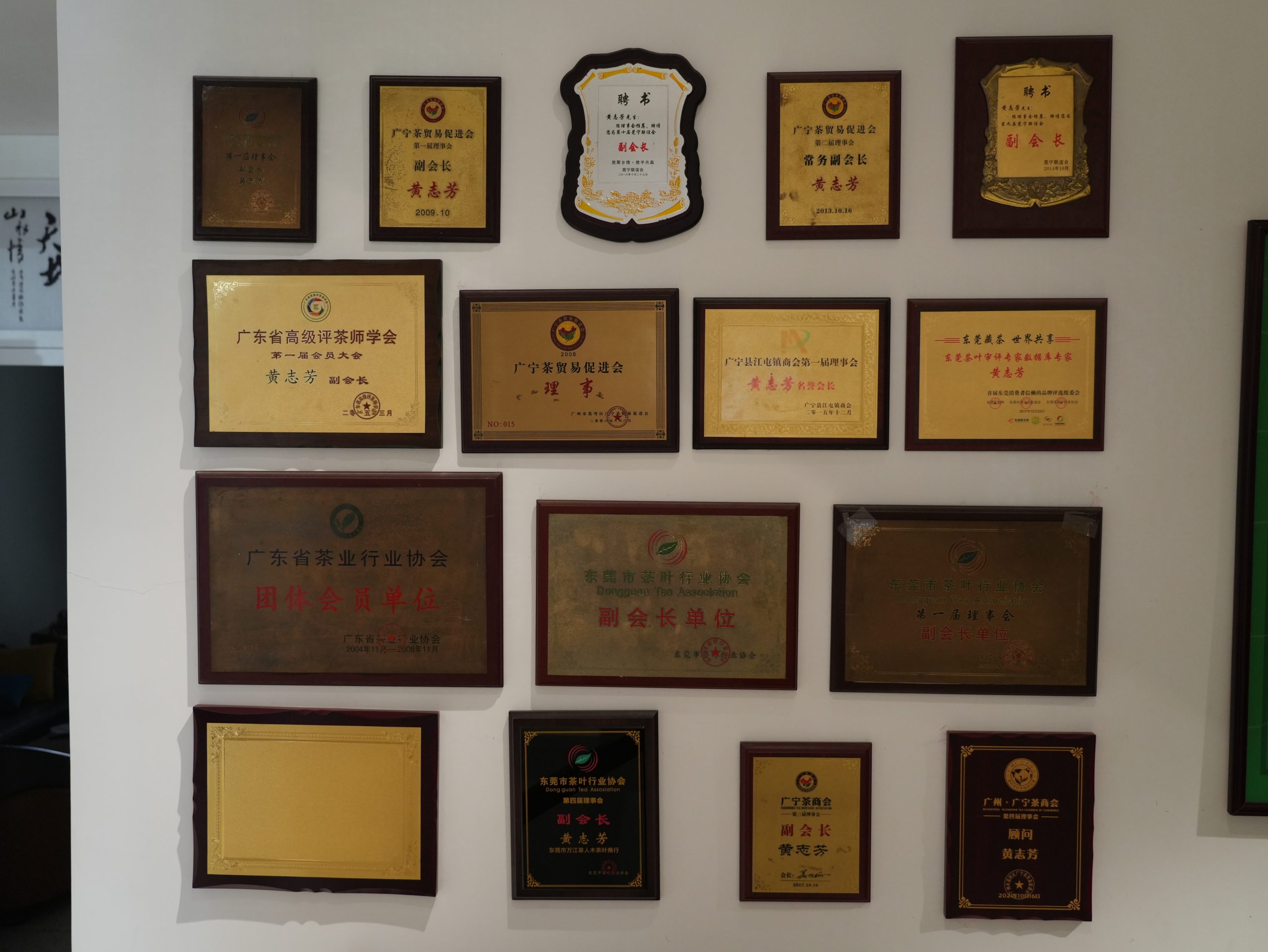
Honors and recognition collected over decades of family tea work.
Honors from decades of work in tea

A continuing journey

Is this tea true to its origin, and is it worth drinking?

That question remains at the heart of TAYUNE. We will continue visiting producing regions, learning from tea makers, tasting carefully, and sharing what we know honestly.

Explore Our TeaVisit Our Local GuideContact Us

Story told by Steven, founder of TAYUNE, based on more than three decades of his father’s work in Guangzhou, Guangdong, and Menghai, Yunnan.

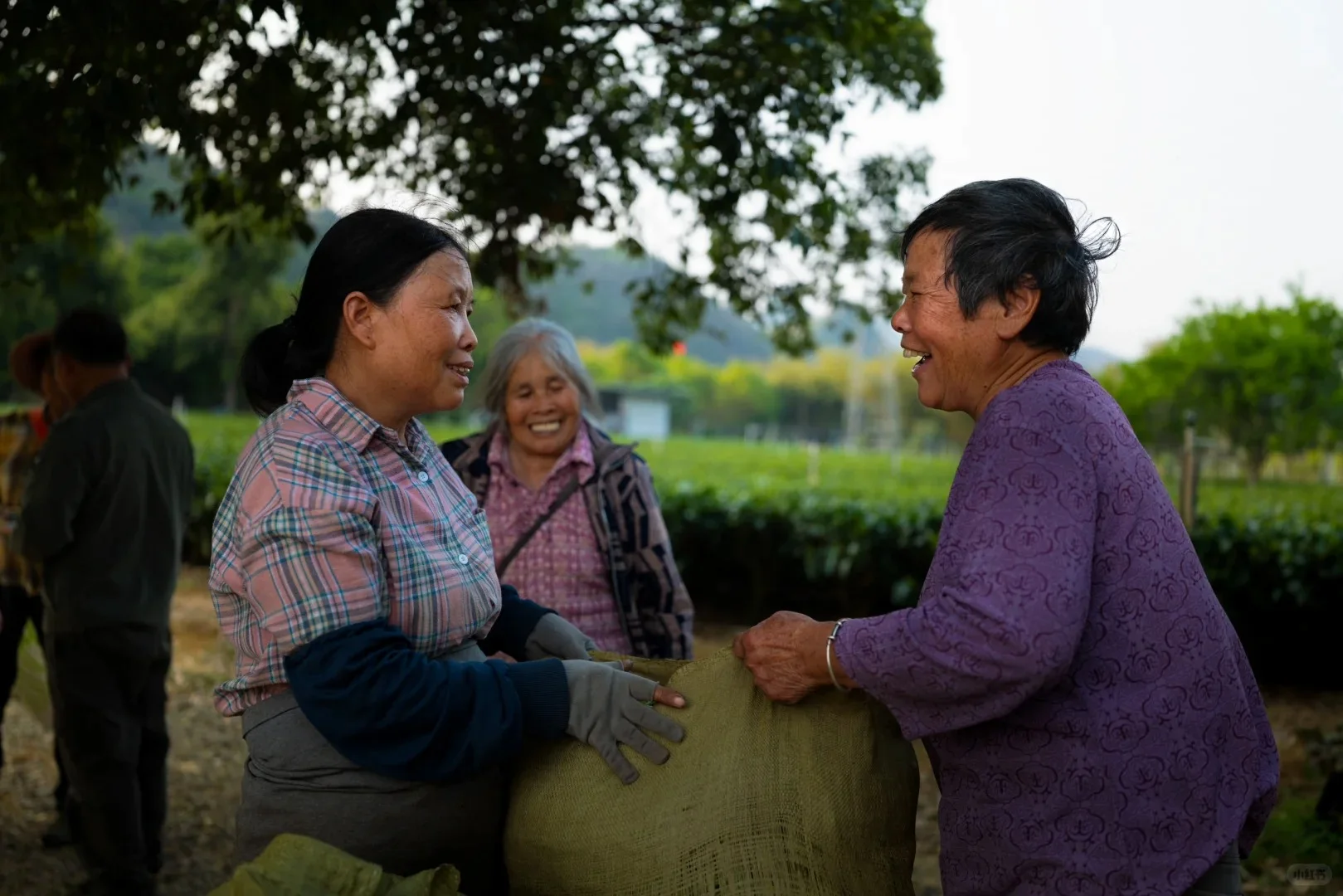
Tea farmers sharing a joyful moment after the harvest in Yunnan

Rooted in Yunnan’s tea mountains.

As one of the early-stage tea brands to travel deep into Yunnan’s tea-growing mountains, we have built in-depth and long-term partnerships with local tea farmers.

We firmly believe that an authentic Pu-erh tea is rooted in the tea mountains and inseparable from the farmers who have guarded the tea gardens for generations. So that tea lovers across the world can savour the genuine, pure native flavours from Yunnan’s diverse tea mountains, we keep travelling to remote mountain villages and working directly with front-line tea farmers. By cutting out numerous intermediate links, we bring the unique mountain character of each tea-growing area fully into your teacup.

While collaborating side-by-side with tea farmers, we focus on more than quality control of tea leaves. We are also committed to improving local production realities. We share well-established, standardised tea-making concepts and processes with our partner farmers, helping them move away from old, extensive and backward processing methods and upgrade their production conditions. We protect the original character of ancient-tree tea resources while improving tea farmers’ practical working situations, building a mutually beneficial cycle for tea farmers, tea mountains and global tea enthusiasts.

Rooted in tea mountains and centred on tea farmers, our enduring brand mission is to bring the genuine Pu-erh flavours hidden in Yunnan’s vast mountains to every Pu-erh lover around the globe.