Pu-erh is a tea from Yunnan, China, made from Yunnan large-leaf sun-dried tea. Its two main styles are raw (sheng) and ripe (shou). Raw Pu-erh is not wet-pile fermented; ripe Pu-erh undergoes that additional processing step. Both can change during storage, but you do not have to wait years to enjoy them.
This guide explains where Pu-erh comes from, how the two styles differ, what they can taste like and how to choose your first tea. For brewing and storage instructions, follow the linked practical guides below.
What Is Pu-erh Tea?
Pu-erh tea is a traditional Chinese tea produced primarily in Yunnan Province in southwestern China.
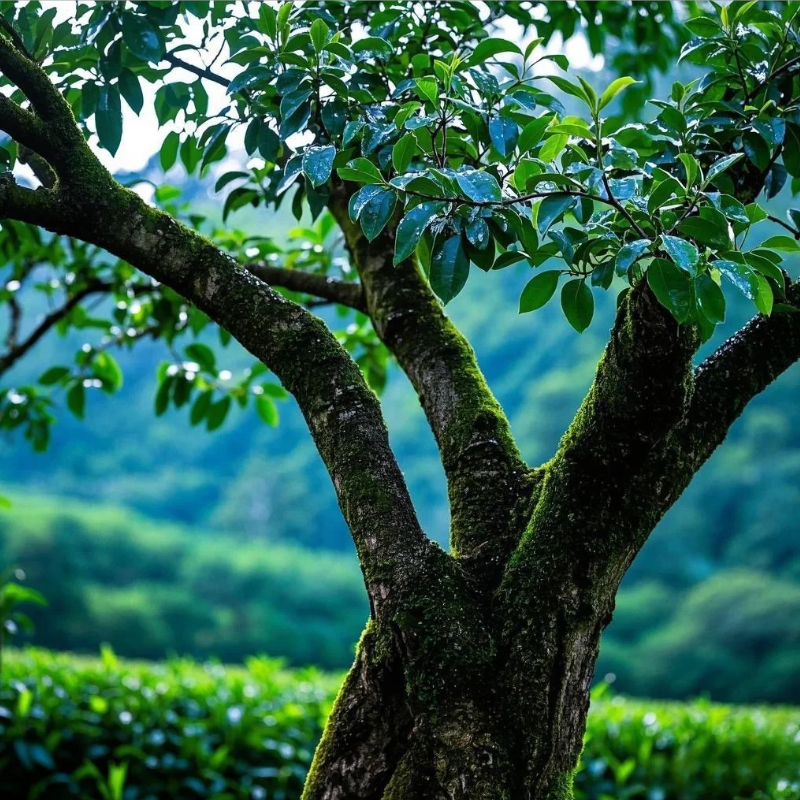
It is made from the leaves of Camellia sinensis var. assamica, a large-leaf tea variety that has been cultivated in Yunnan for centuries.
Pu-erh is made from tea grown in several parts of Yunnan. A mountain name or an old-tree claim can describe the source, but neither is proof of quality on its own; processing and storage also matter.
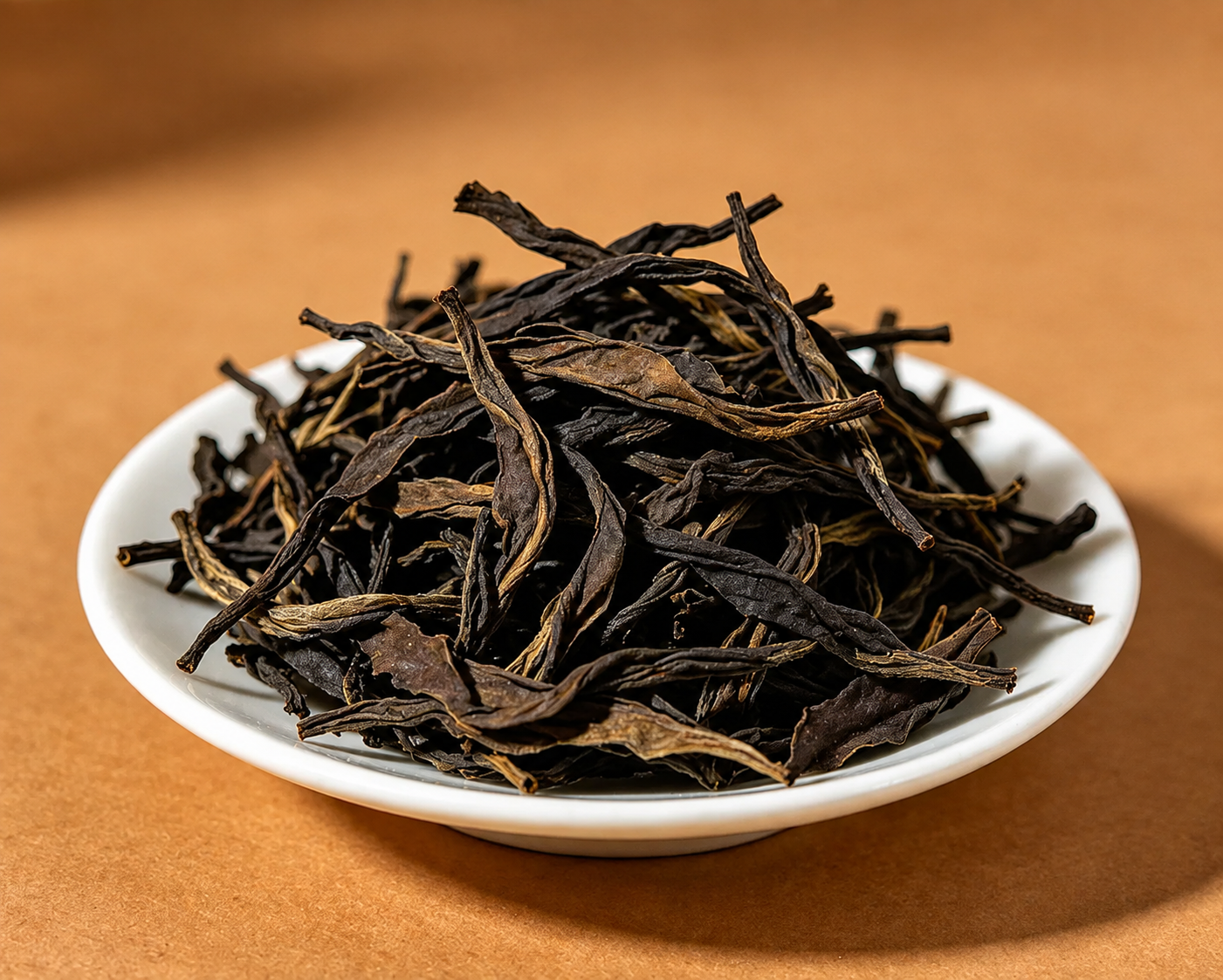
After harvesting, the leaves go through a series of processing steps before becoming what is known as Maocha, or sun-dried loose tea.
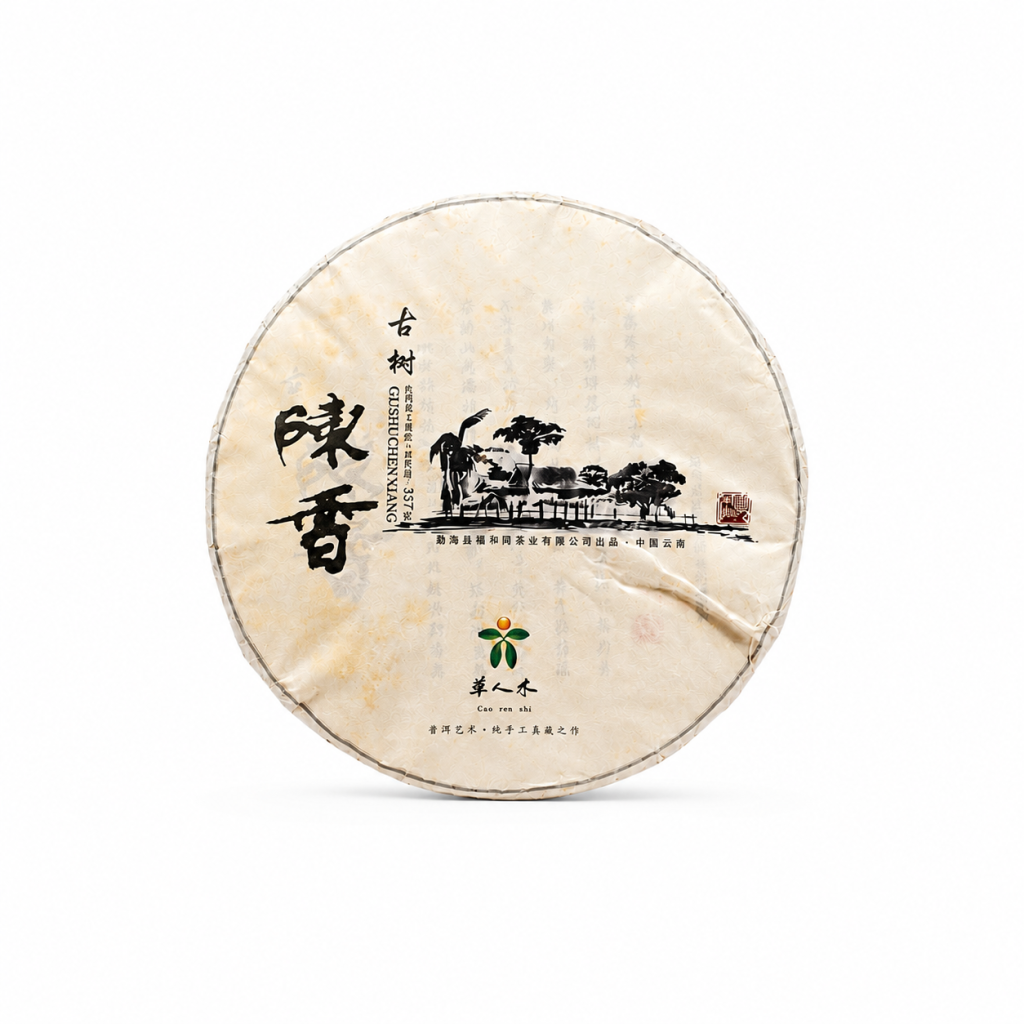
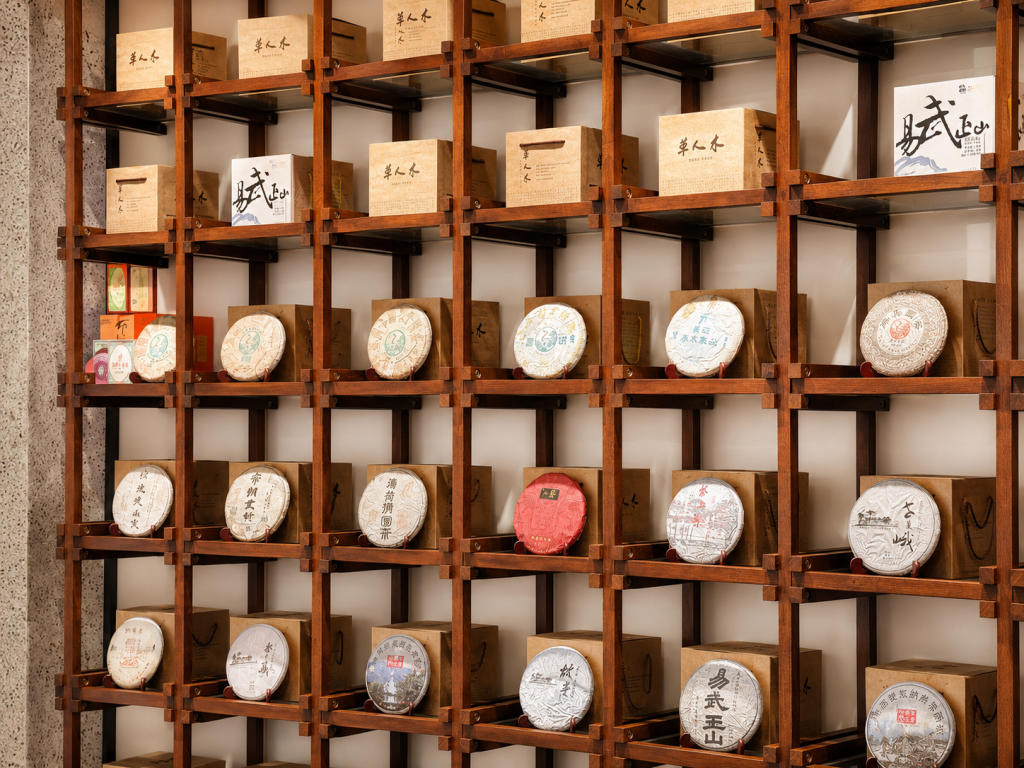
The tea may then be sold loose or compressed into different shapes, with the most famous form being the round Pu-erh tea cake, traditionally weighing around 357 grams.
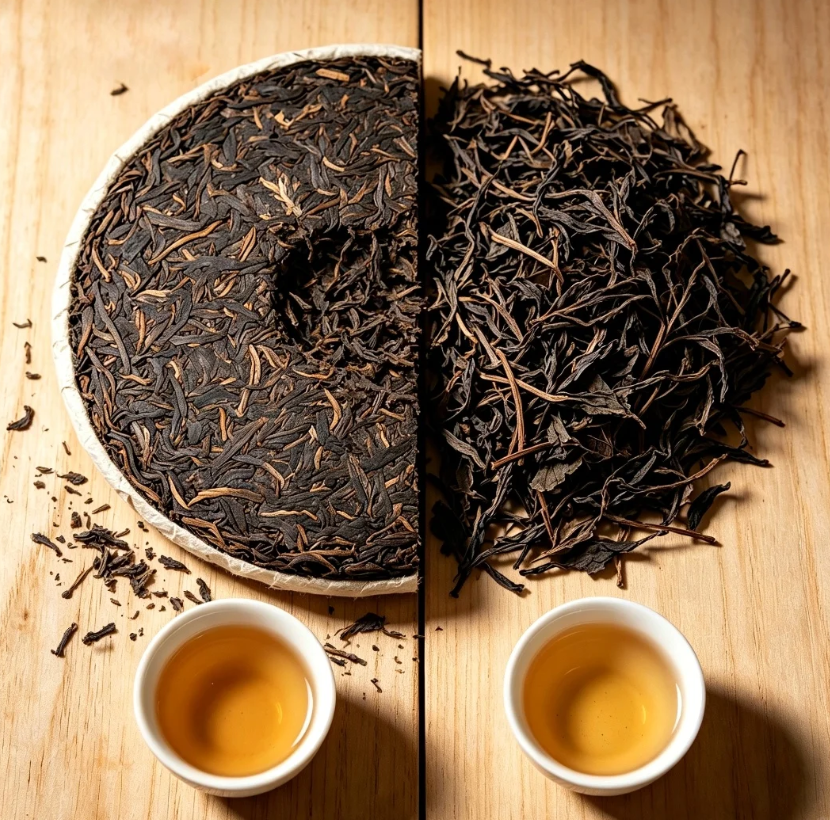
Pu-erh is available as loose leaves, cakes, bricks and other compressed shapes. Raw and ripe describe processing, not the shape or age of the tea.
Rather than remaining completely static, Pu-erh undergoes gradual microbial and chemical transformation during storage. This ongoing development is what gives aged Pu-erh its unique character.
Where Does Pu-erh Tea Come From?
Pu-erh is associated with Yunnan in southwestern China. Important producing areas include Xishuangbanna, Lincang and Pu’er. Gardens within those areas differ in plant material, growing conditions and processing traditions, so a broad region name tells only part of the story.
Ask for the specific origin, production year and processing style when comparing teas. The guide to Yunnan’s Pu-erh tea regions introduces the major areas.
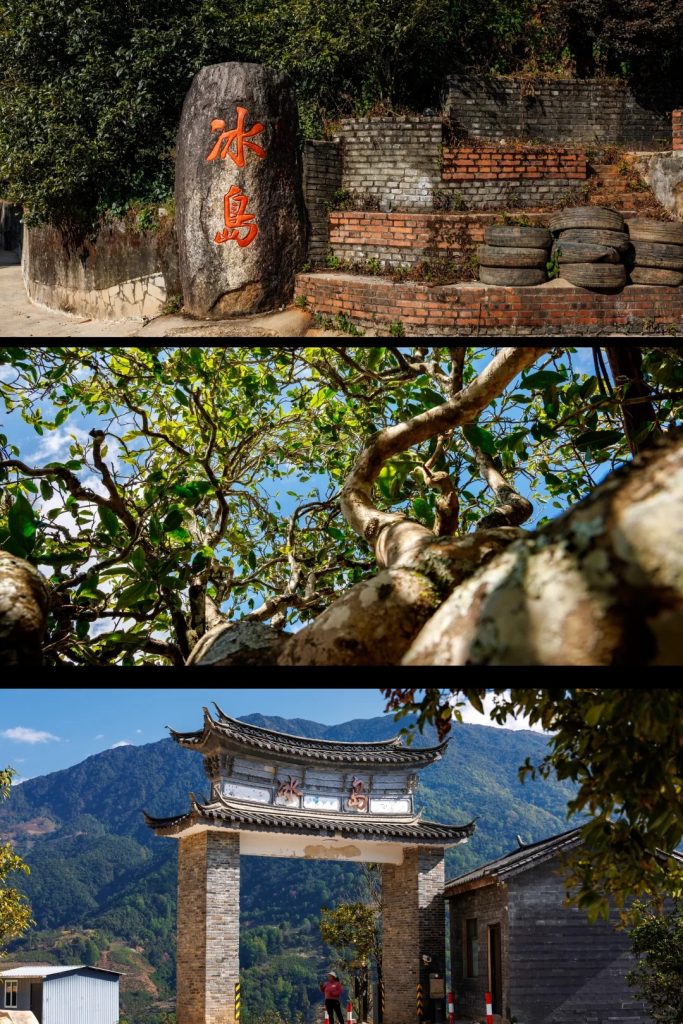
How Pu-erh Tea Is Made
The starting material is sun-dried tea known as maocha. Fresh leaves are heated, rolled and sun-dried. For raw Pu-erh, this material can be steamed and pressed without a wet-piling stage. Ripe Pu-erh undergoes controlled wet-pile fermentation, called wo dui, before the finished tea is sold loose or pressed.
Ripe Pu-erh is therefore not simply raw Pu-erh that has been stored for a long time. Naturally aged raw tea and ripe tea follow different processing paths and need not taste alike.
Raw Pu-erh vs. Ripe Pu-erh
| Feature | Raw Pu-erh (sheng) | Ripe Pu-erh (shou) |
|---|---|---|
| Processing | No wet-pile fermentation | Controlled wet-pile fermentation |
| Typical starting character | Often fresh, floral or fruity; bitterness and astringency vary | Often mellow, earthy or woody, with a fuller-feeling body |
| Appearance in the cup | Often lighter when young, changing with tea and storage | Usually darker from processing, even when relatively young |
| Choosing a first sample | For exploring brighter aromas and a range of structures | For exploring darker, rounder profiles |
There are two main types of Pu-erh tea: Raw Pu-erh (Sheng Pu-erh) and Ripe Pu-erh (Shou Pu-erh).
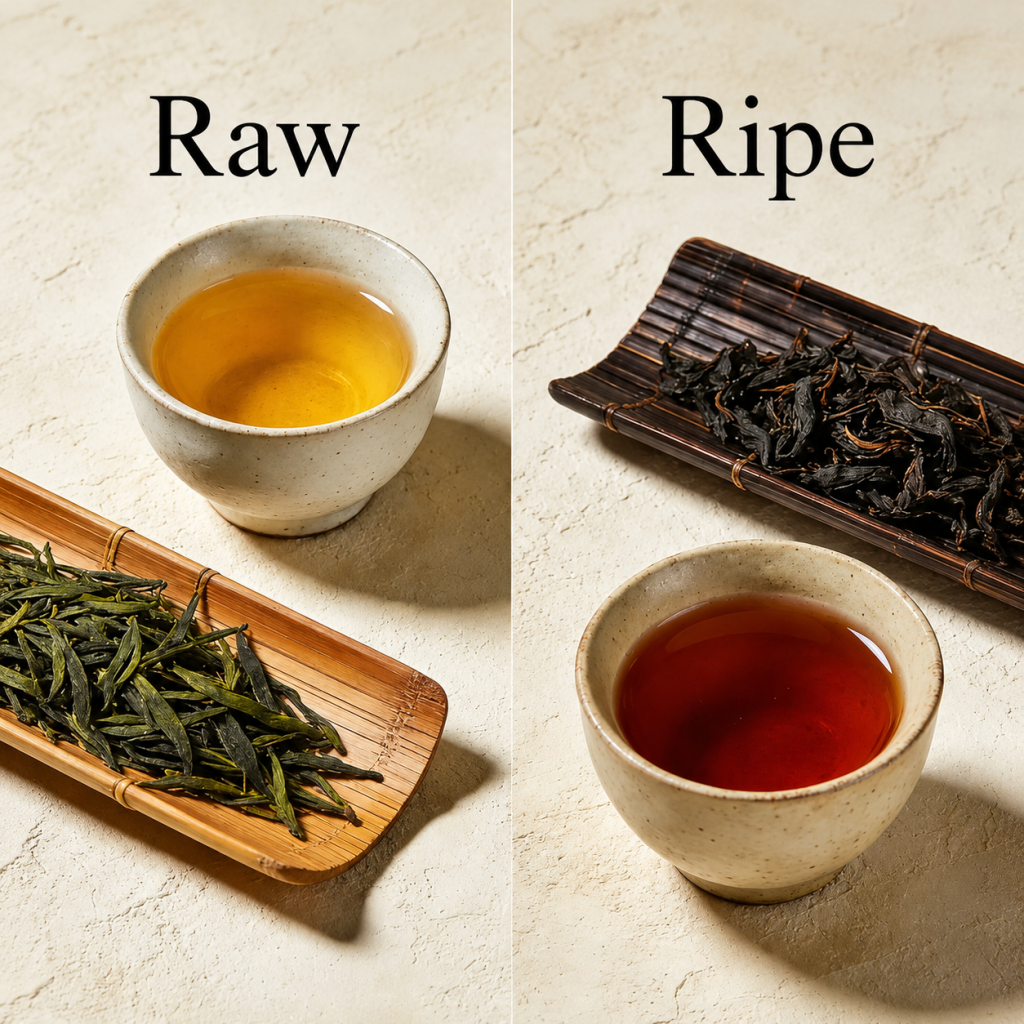
Raw Pu-erh Tea
Raw Pu-erh, known as Sheng Pu-erh in Chinese, is made using traditional processing methods and is allowed to age naturally.
When young, raw Pu-erh can taste fresh, floral, fruity, slightly bitter, and sometimes quite powerful.
As the tea ages, its character can gradually change.
The sharp bitterness may soften, the texture can become smoother, and the flavor may develop deeper notes such as:
- Honey
- Dried fruit
- Wood
- Herbs
- Camphor
- Forest floor
- Aged wood
- Sweet floral aromas
Well-aged raw Pu-erh is especially prized among serious tea collectors.

Ripe Pu-erh Tea
Ripe Pu-erh, known as Shou Pu-erh, was developed in the 1970s.
It uses a controlled fermentation process called wo dui, or wet piling. This creates a distinct ripe style; it does not make the tea equivalent to naturally aged raw Pu-erh.
Ripe Pu-erh usually has a darker tea liquor and a softer, richer flavor.
Common tasting notes include:
- Earth
- Wood
- Dates
- Nuts
- Cocoa
- Brown sugar
- Sweet herbs
Good ripe Pu-erh is often smooth, full-bodied, mellow, and naturally sweet.
It can also continue to improve with storage, although its aging process is different from that of raw Pu-erh.
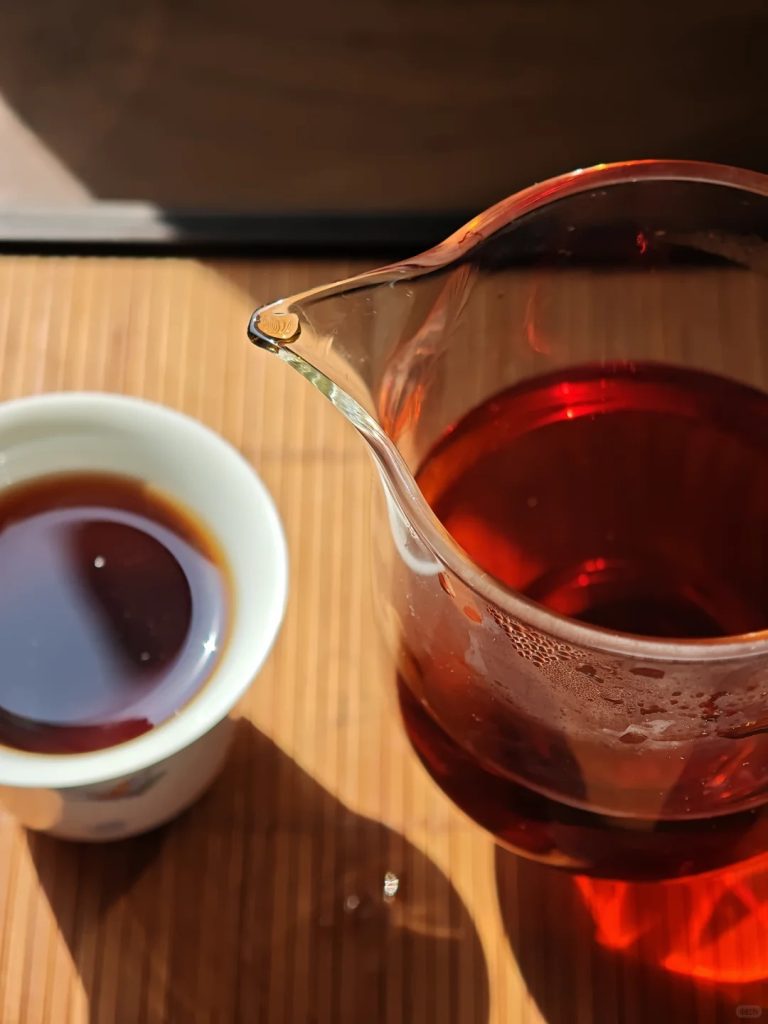
What Does Pu-erh Tea Taste Like?
Young raw Pu-erh may suggest flowers, fresh fruit or honey, with bitterness or a drying sensation that varies greatly between teas. Aged raw tea can develop more woody, dried-fruit or herbal notes. Ripe Pu-erh often leans toward earth, wood, cocoa or dates. These are tasting descriptions, not ingredients or promises that every tea will taste the same.
Pay attention to texture and finish as well as aroma. A tea that feels balanced to one drinker can feel too strong to another. Brewing more gently is often a useful first adjustment.
Does All Pu-erh Improve With Age?
No. Age changes tea, but whether the change is an improvement depends on the starting material, processing, storage and your taste. Young Pu-erh can be enjoyable, and an old wrapper does not prove that the tea inside is good.
For the detailed explanation, read whether Pu-erh gets better with age. For practical care, use the Pu-erh storage guide.
Loose-Leaf Pu-erh vs. Tea Cakes
A tea cake is a compressed format, not a separate flavor category or quality grade. Loose leaves are convenient to measure; a cake needs to be loosened into a portion before brewing. Compression can affect how quickly the leaves open, so adjust the first few infusions accordingly.
If you are comparing products, look beyond shape to processing, origin, production details and storage. Our Pu-erh classification guide explains how these labels fit together.

How to Brew Pu-erh Tea
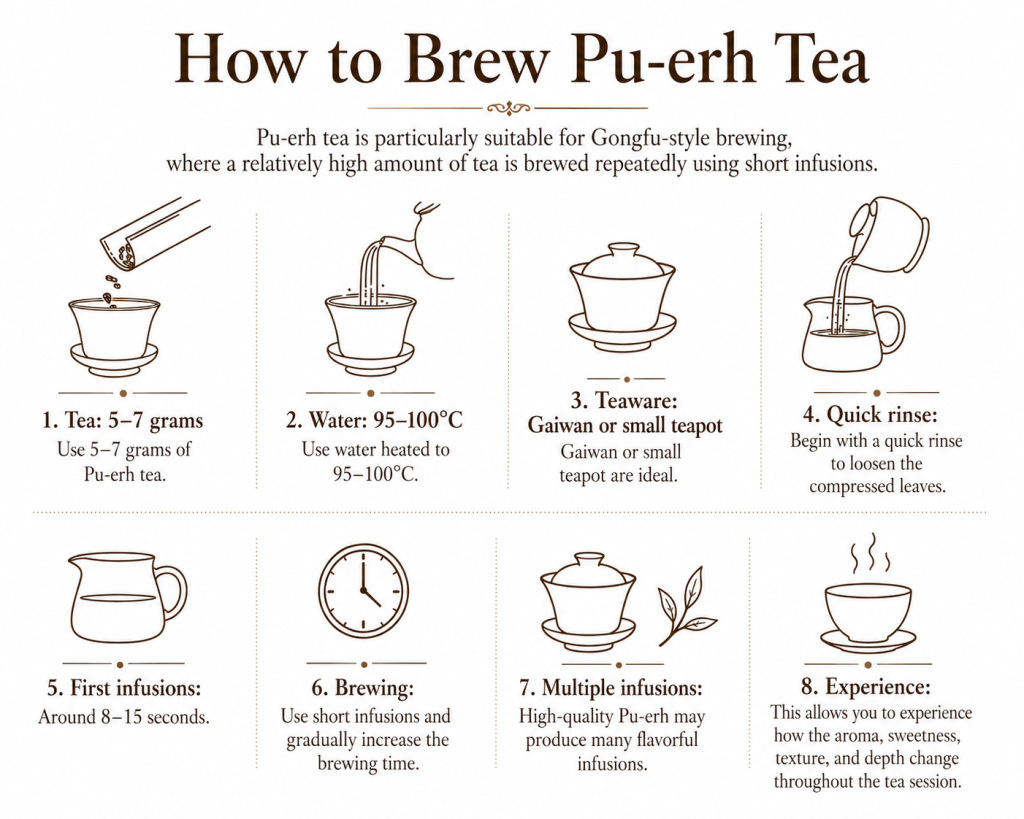
Pu-erh tea is particularly suitable for Gongfu-style brewing, where a relatively high amount of tea is brewed repeatedly using short infusions.
A simple starting point is:
Tea: 5–6 g
Vessel: a 100 ml gaiwan or small teapot
Water temperature: 95–100°C
First drinking infusion: about 7 seconds after a brief rinse, then adjust by taste. Vessel capacity is measured before adding leaves.
Many Pu-erh drinkers begin with a quick rinse.
After that, the tea can be steeped repeatedly, gradually increasing the brewing time.
High-quality Pu-erh may produce many flavorful infusions.
For the complete sequence, video and a lower-dose regular-teapot option, read how to brew Pu-erh tea.
How to Choose Your First Pu-erh
Start with a sample of raw tea and a sample of ripe tea. Choose clearly described teas with a known processing style and storage history, rather than buying a full cake on the strength of an age claim. If the year on a listing refers to pressing rather than leaf harvest, treat those as different facts.
Brew each sample with the same vessel and a consistent starting method, then adjust if one is too strong. Note which aromas, texture and finish you enjoy. A sample from a different year or producer is useful for exploring preference, but it cannot isolate the effect of age alone.
Our beginner’s Pu-erh sampler guide explains the comparison. The Grand Yunnan Pu-erh Discovery Set provides three raw and three ripe teas in six 10 g sachets. The individual ripe-tea product below is another option if you already know you prefer that style.
Frequently Asked Questions
Is Pu-erh the same as black tea?
No. Pu-erh and English-language black tea follow different processing traditions. A dark-looking ripe Pu-erh infusion does not make it black tea.
Does raw Pu-erh turn into ripe Pu-erh?
No. Raw Pu-erh can age, but ripe Pu-erh is defined by wet-pile fermentation during production. Old raw tea remains aged raw tea.
Do I need to buy an old tea?
No. Choose tea you enjoy now. Age alone does not establish flavor, quality or value.
For the formal origin and processing framework, see China’s GB/T 22111-2008 Pu-erh tea standard.