
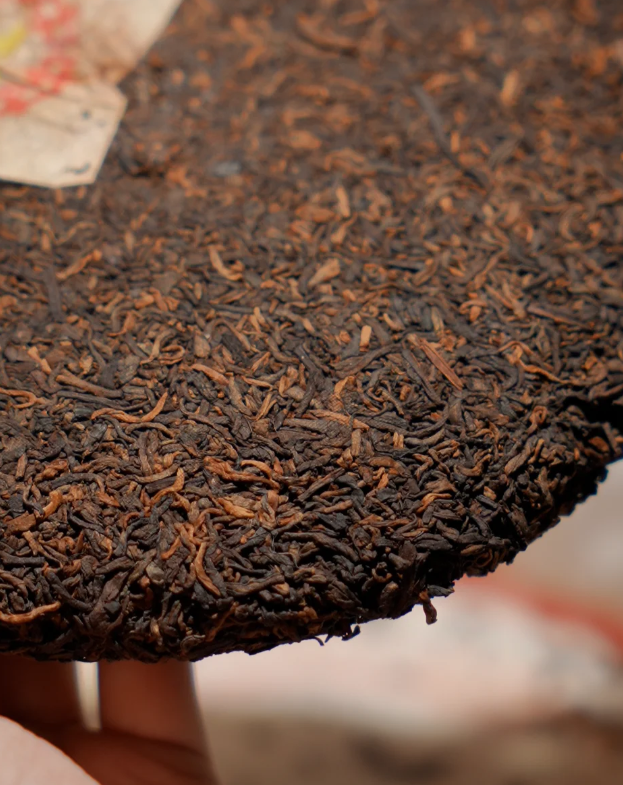
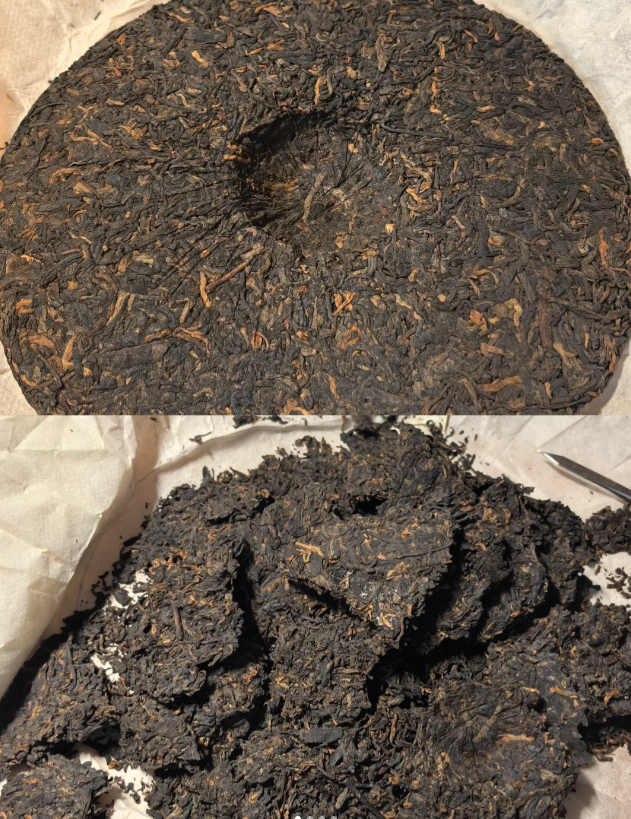
Yes — Pu-erh tea can get better with age, but age alone does not guarantee better quality.
Both raw and ripe Pu-erh can change during storage. Aroma, flavor and texture may develop over time, but the outcome depends on the tea and its storage conditions. If the two styles are new to you, start with what Pu-erh tea is.
In this way, Pu-erh is often compared to wine.
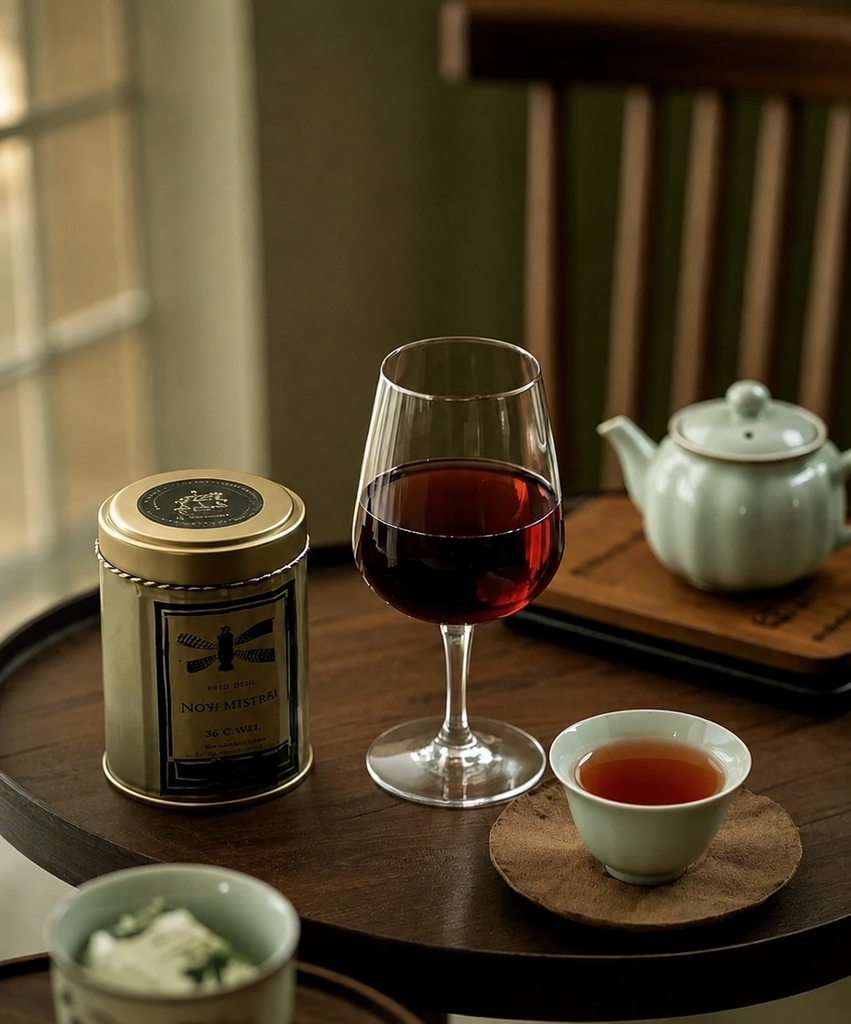
A good wine can develop greater depth and complexity with age, but only when the original wine is good and it has been stored under the right conditions. Pu-erh works in a similar way. A well-made tea may become smoother, richer, and more interesting over time, while poor-quality tea will not automatically become valuable simply because it is old.
For raw Pu-erh (Sheng Pu-erh), the transformation can be especially noticeable. Young raw Pu-erh may have a fresh, powerful character with some bitterness and astringency. As it ages, these sharper qualities can gradually soften, while the tea may develop deeper notes of dried fruit, honey, wood, herbs, or other mature aromas.
Ripe Pu-erh (shou) has already undergone wet-pile fermentation during production. It often starts with a darker, more mellow profile than young raw tea. It can continue changing in storage, but it does not follow the same path as raw Pu-erh, and additional years do not guarantee a better cup.
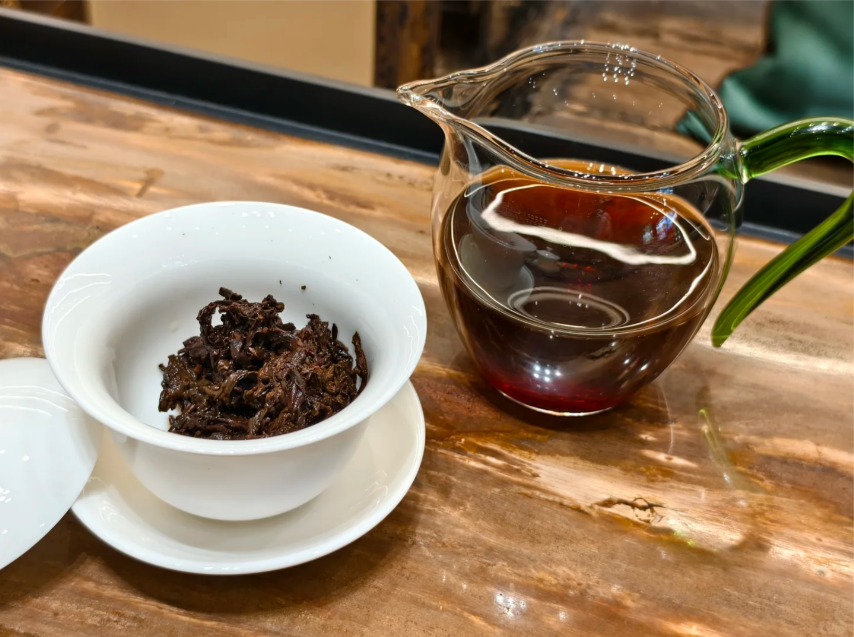
Raw vs. Ripe Pu-erh Aging
| Question | Raw Pu-erh | Ripe Pu-erh |
|---|---|---|
| What has happened before storage? | The tea has not undergone wet-pile fermentation. | The tea has undergone wet-pile fermentation. |
| What might change? | Aroma, bitterness, astringency and texture can change gradually. | Fermentation-associated aromas and the balance of flavor can change. |
| Must it be old to enjoy? | No; some drinkers prefer young raw tea. | No; choose a tea that tastes balanced to you now. |
| Does storage guarantee improvement? | No. Material, processing and conditions matter. | No. Longer storage can change a tea without improving it. |
Studies of raw Pu-erh stored for different periods and ripe Pu-erh across a nine-year storage range report changes in aroma compounds and sensory characteristics. Those findings describe the samples studied; they do not establish a universal best drinking age.
Is Older Pu-erh Always Better?
Not necessarily.
Just as an old bottle of wine is not automatically a great bottle of wine, an old Pu-erh is not automatically a great tea.
The final quality depends on the original tea leaves, processing, storage conditions, and how the tea develops over time.
Proper storage is particularly important. Pu-erh should be kept away from direct sunlight, excessive moisture, mold, and strong odors. Because tea can absorb smells from its surroundings, a clean storage environment helps preserve its natural character.
Two Pu-erh teas of the same age can taste different because their material, processing and storage differ. Our Pu-erh tea storage guide explains how to care for a cake at home without trying to force faster aging.
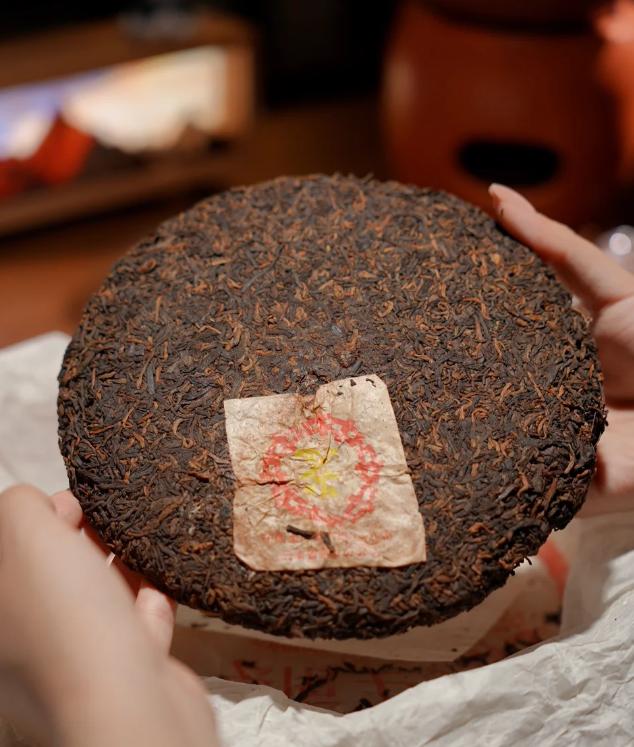
What Matters More Than the Number of Years?
The Tea Before Storage
Aging is not a way to repair every flaw. Ask what the tea is, who produced it and whether the description separates leaf harvest from pressing year. Claims such as ancient tree or famous mountain need sourcing evidence; they are not substitutes for tasting a representative sample.
The Storage History
Ask where and how the tea was stored, including any changes of location. A year printed on a wrapper says little about exposure to dampness, heat or household odors. Even two cakes sold under the same name may have different histories.
Your Own Taste
A softer profile is not automatically better than a brighter one. Decide whether you enjoy the aroma, texture and finish, rather than treating the oldest or most expensive cake as the natural goal.
How Long Should Pu-erh Be Aged?
There is no perfect number of years.
Some tea drinkers enjoy the freshness and energy of young Pu-erh. Others prefer the smoother and more mature character that may appear after 5, 10, 20 years, or even longer.
Tasting teas from different years can help you discover preferences. It does not prove what aging alone caused, because the harvest, processing and storage may also differ. Following portions from the same batch over time is a more useful way to observe your own tea’s development.
So, does Pu-erh tea get better with age?
It certainly can.
When the original tea is good and the storage conditions are suitable, time can transform Pu-erh into something smoother, deeper, and more complex.
That ability to evolve is what makes Pu-erh different from most other teas — and why many tea lovers enjoy not only drinking it, but also storing it and watching it change over the years.
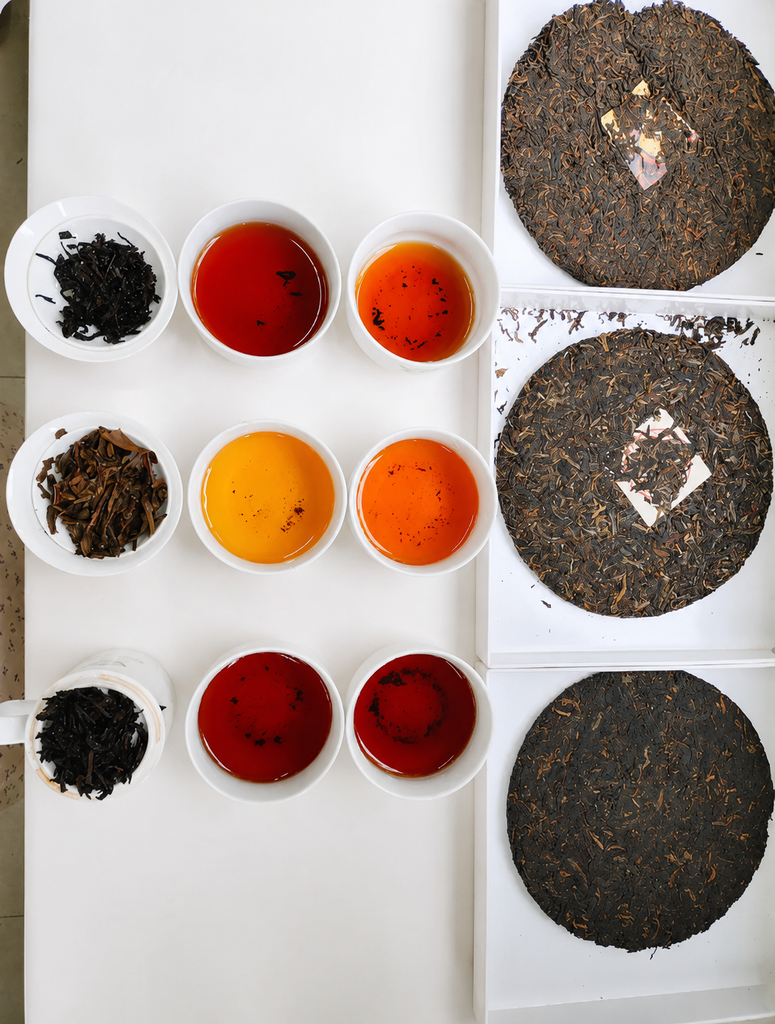
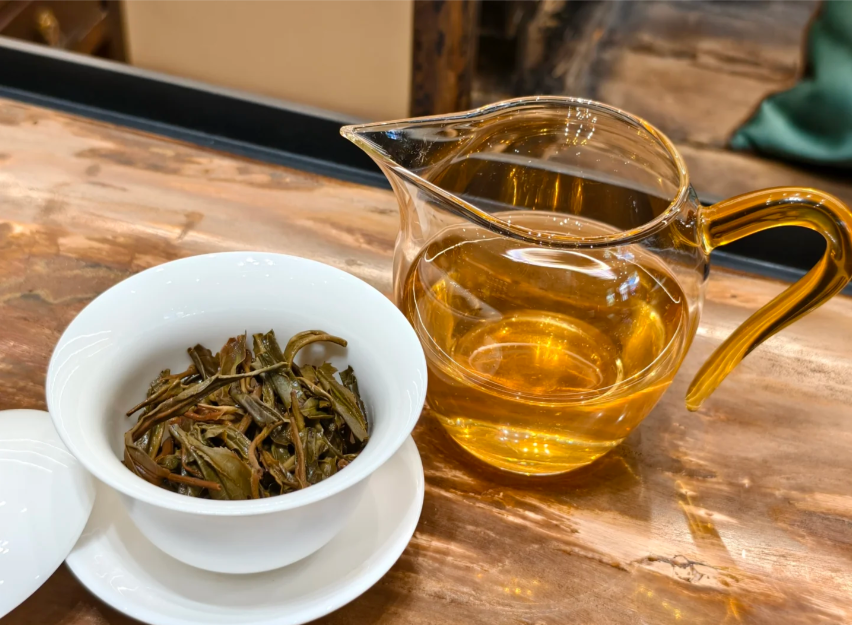
Illustration only: tea liquor color cannot establish age. Processing style, storage, leaf quantity and infusion time all affect the color. A young ripe Pu-erh can brew darker than an older raw tea.
How to Assess an Aged Pu-erh Before Buying
Ask the seller for the producer, processing style, claimed year and known storage history. Check whether a sample comes from the batch offered for sale. If any details are unknown, the listing should make that clear rather than filling the gaps with a story.
Look for clear information and a representative sample. Do not use color, a dusty wrapper or a high price as proof of age. Visible fuzzy growth, damp packaging or a persistent mildew smell should not be dismissed as normal aging, and suspect tea should not be taste-tested.
For a sound sample, keep your brewing method consistent while comparing teas. Use the Pu-erh brewing guide as a starting point, then note the aroma, texture and finish. A pleasant aged character is a tasting judgment, not a safety test.
When More Aging Is Not the Answer
If you enjoy a tea now, there is no obligation to store it longer. If a tea has absorbed odors or become damp, waiting does not reliably fix the problem. Protect the tea’s present condition first, and avoid raising humidity simply to chase a darker or older-tasting cup.
Try Samples Before a Full Cake
The Pu-erh sampler guide helps you compare raw and ripe styles. The set below offers different teas for exploring preferences; it is not a controlled aging experiment because the teas differ in more than age.
Explore Six Raw and Ripe Pu-erh Samples
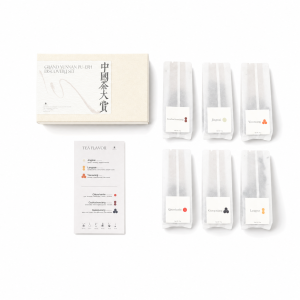
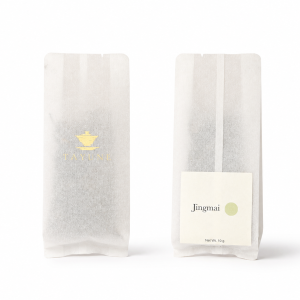
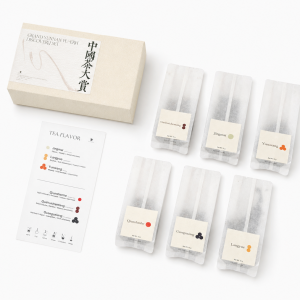
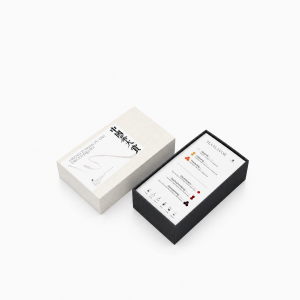
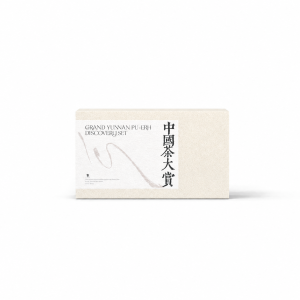
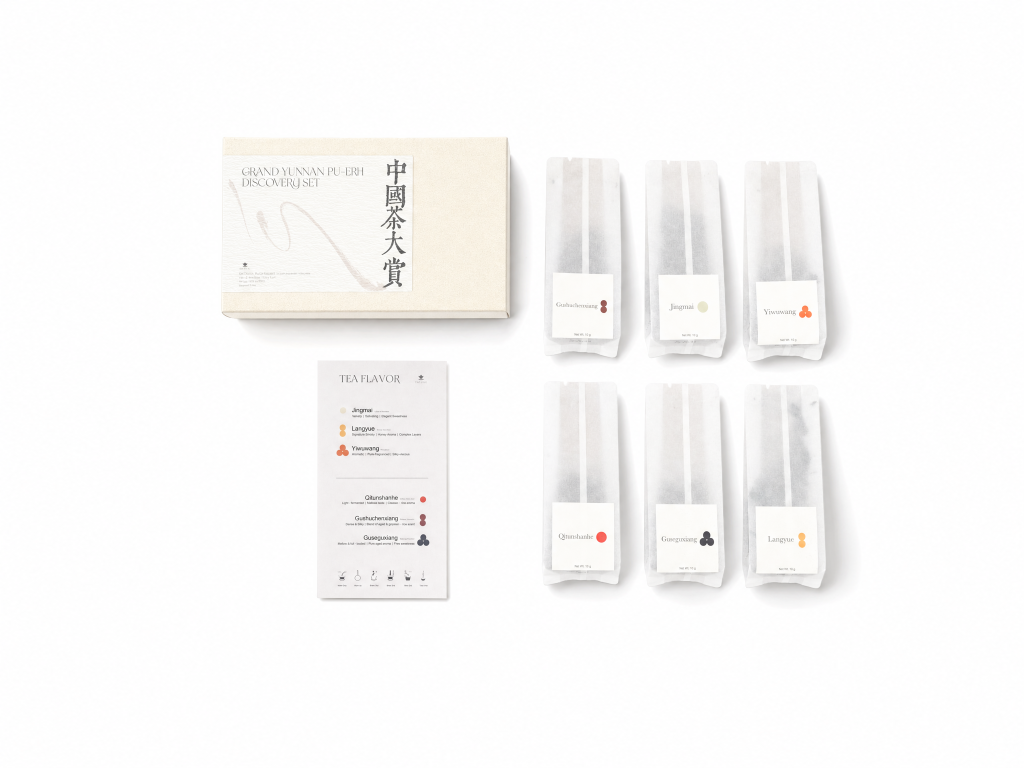
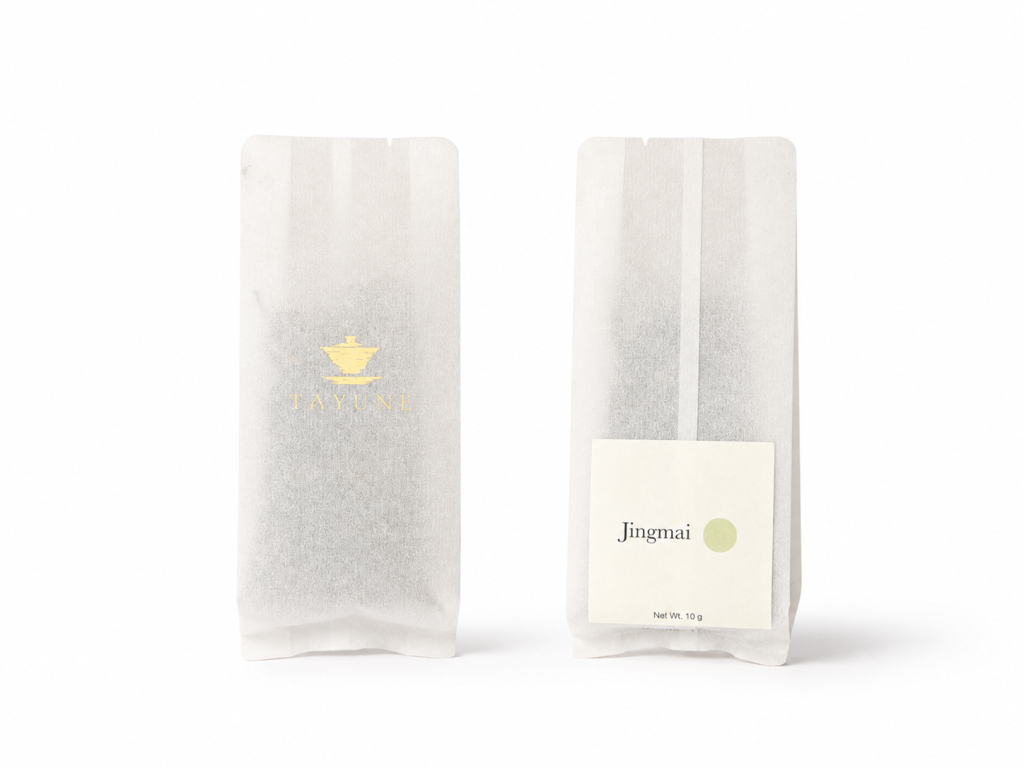
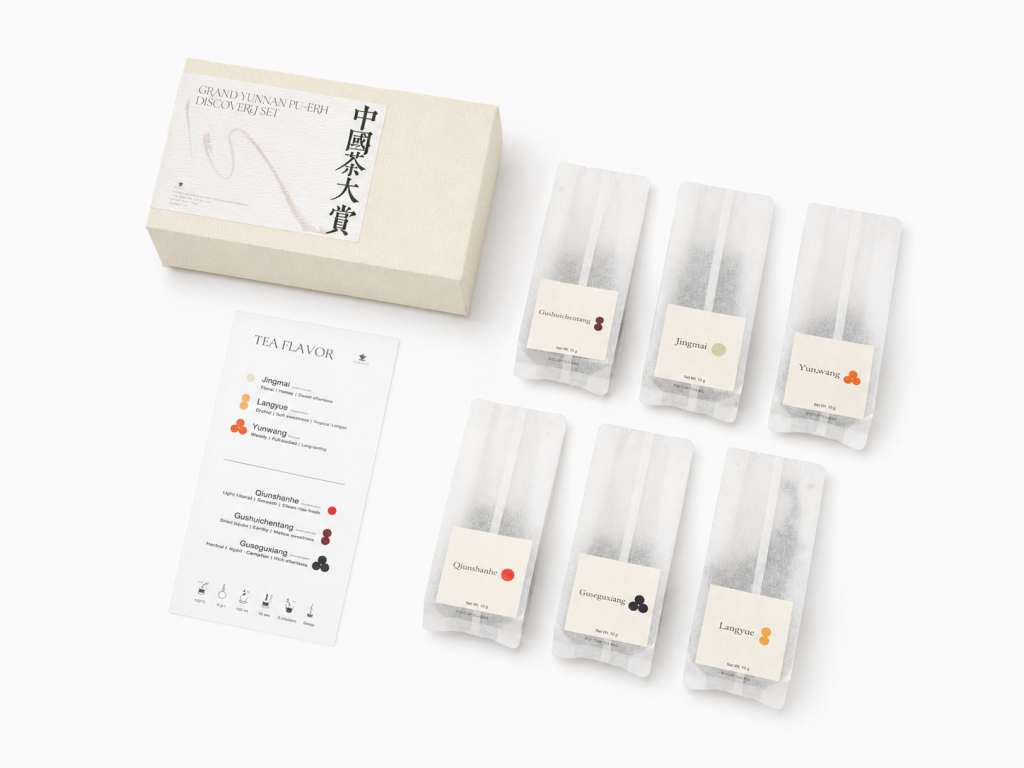
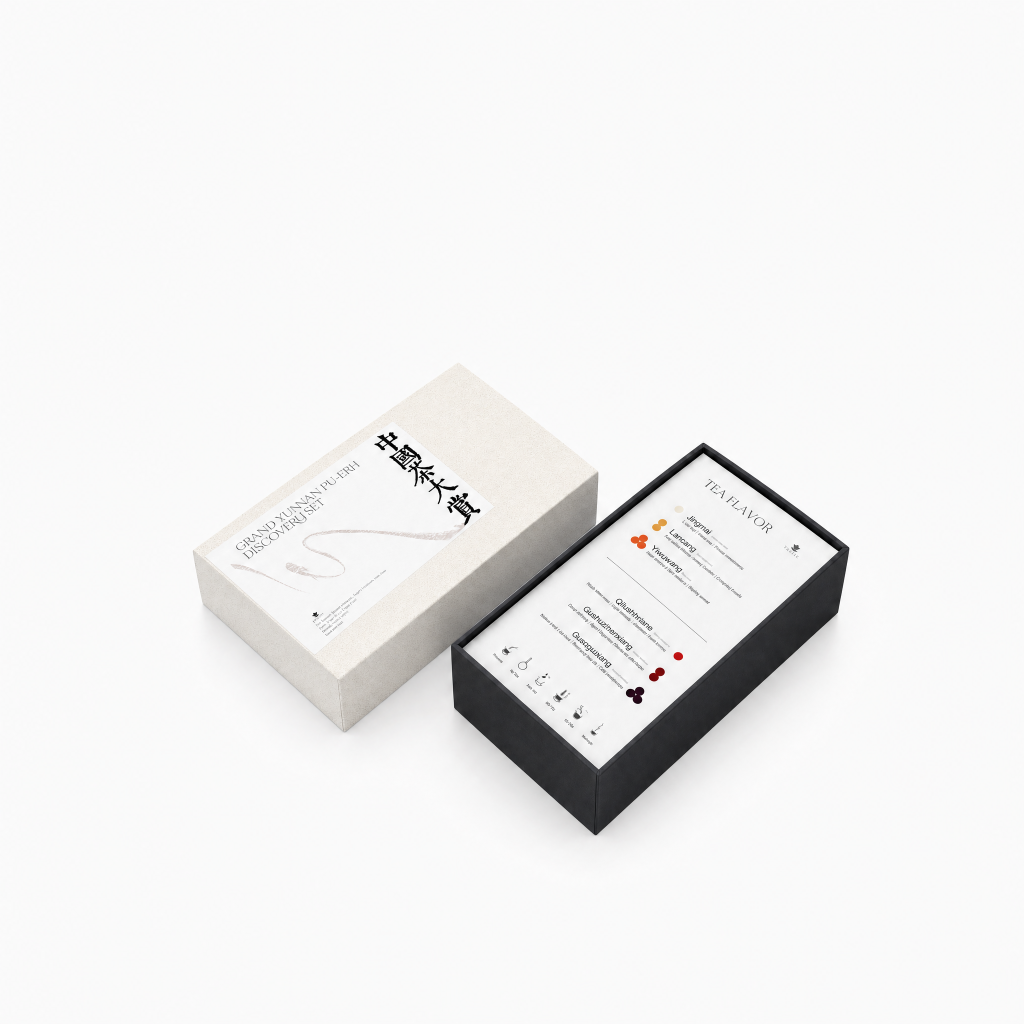
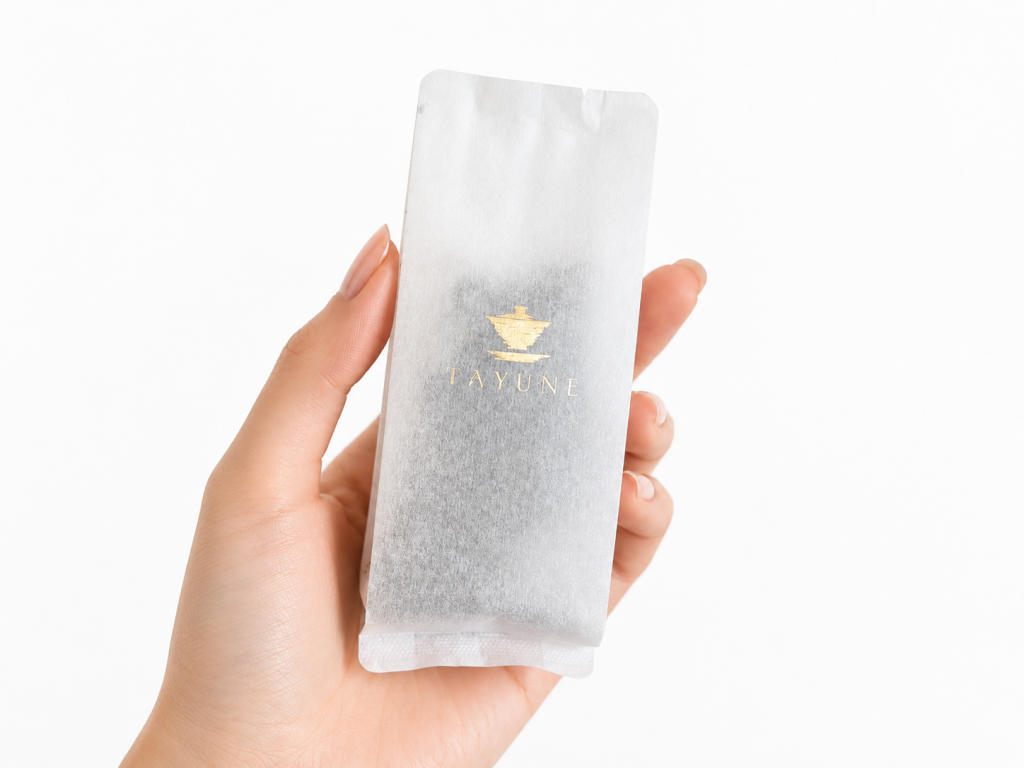
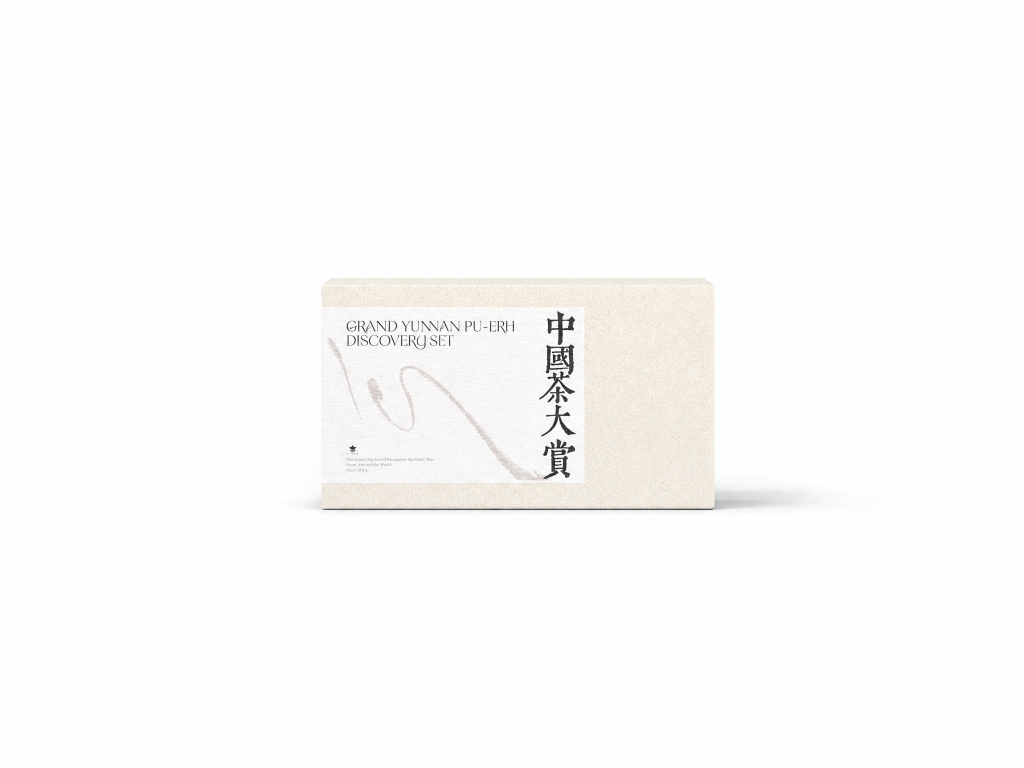
Grand Yunnan Pu-erh Discovery Set – 6 Raw & Ripe Tea Samples, 60 g
A beginner-friendly Pu-erh tasting set with three raw and three ripe teas in six individually labelled 10 g servings. Compare the profiles side by side, find your favourite, then choose a full cake with more confidence.
10 in stock