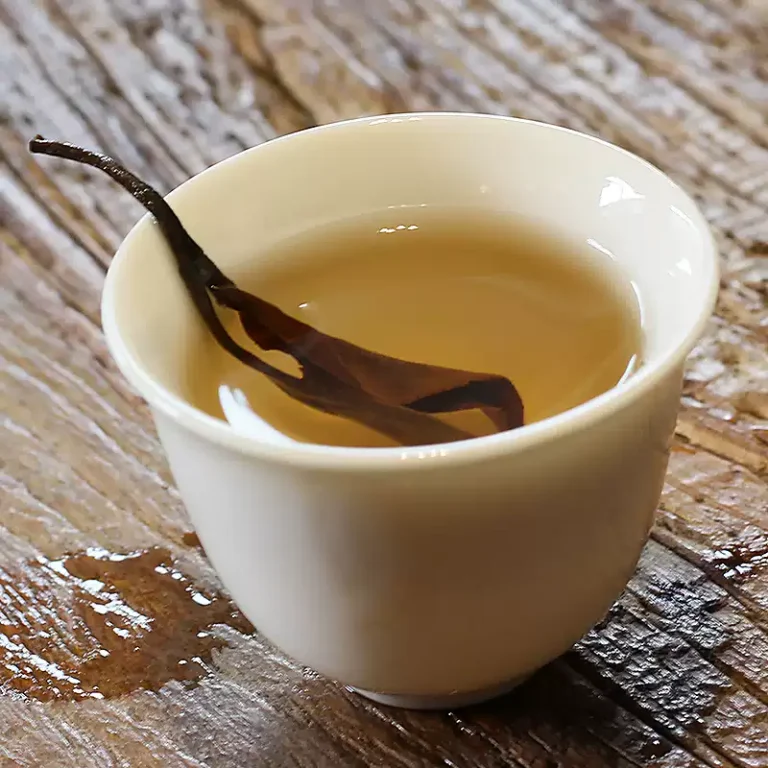

112 g · White Tea
Yulin Mini Packed White Tea Beads – Floral, Sweet & Mellow
Original price was: $89.90.$75.90Current price is: $75.90.
Selected products · TAYUNE
112 g · White Tea
White Tea
Loose leaf white tea and pressed white tea cakes start from the same raw material, but they differ in several ways:
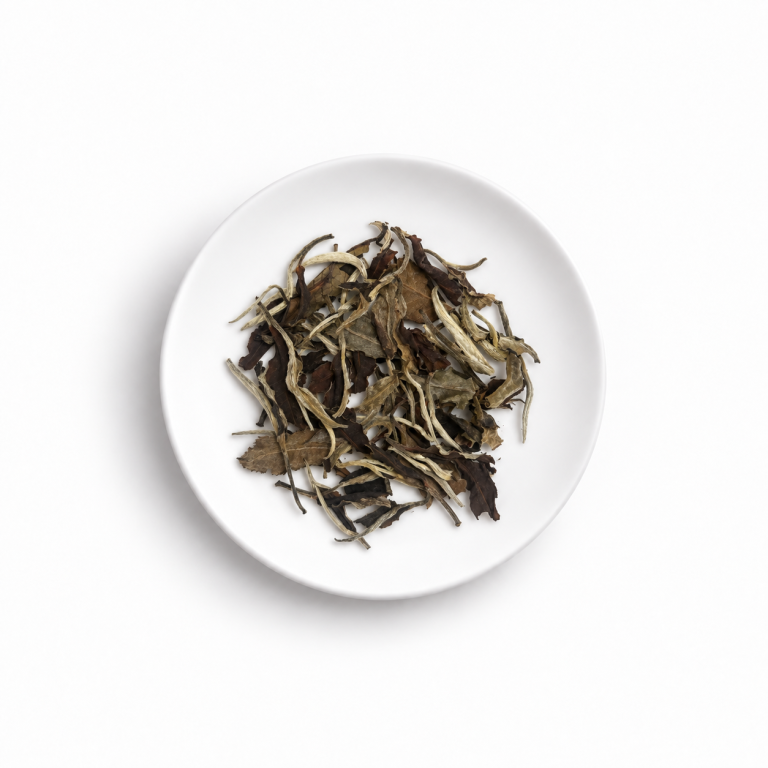
Appearance: Loose white tea is often silvery green, while cakes made from the same leaves tend to look slightly brownish. This comes down to a difference in processing, explained below.
Processing: Loose white tea is simply the leaves after natural withering and drying. Cakes go through extra steps: the leaves are first steamed to soften them, then pressed into shape.
Storage and aging: Because of that extra processing, cakes are better suited to long-term storage and aging, which gradually deepens their flavor. Loose leaf is best enjoyed fresh. Pressing also makes the leaves sturdier and less prone to breaking.
Taste and aroma: When both are young, the difference in flavor is small. Over the years, though, cakes develop a smoother, sweeter character and a thicker mouthfeel, while loose white tea stays fresh and floral. Loose leaf also gives up most of its flavor in the early infusions, whereas cakes release theirs more gradually in later infusions, so cakes usually hold up to more steeps.
For the best flavor, aroma and wellness benefits, we recommend choosing quality loose leaf white tea or cakes over tea bags, which are often filled with low-grade tea dust.
Chinese white tea is generally divided into four grades:
In practice, each grade also has its own sub-grades.
White tea (白茶, bái chá) is picked in early spring, while the buds are still covered in fine, silky white down. That is where the name comes from. This delicate tea offers savory, mellow and sweet notes. It is among the least processed of all teas, with only light oxidation, since the leaves are simply air-dried after picking.
Potential benefits: White tea is rich in antioxidants, and many people drink it regularly to feel refreshed. Some studies suggest it may help support healthy cholesterol levels and cardiovascular health. Its caffeine content is also low, typically a small fraction of a cup of coffee, so it is easy to enjoy several times a day.
White tea is the most delicate of all teas, so gentle brewing is key to preserving its character. Never use boiling water. The ideal temperature is 80-85°C (175-185°F). For Silver Needle, keep the first infusion to about 30-40 seconds, then raise the temperature and extend the time slightly for later infusions.
Thanks to its low caffeine, white tea suits any time of day, even the evening. Legend has it that Emperor Guangxu of the Qing Dynasty enjoyed white tea in hot summers for its cooling, refreshing quality. It also makes a pleasant after-meal drink and may help with digestion.
TAYUNE TEA CLUB
Join for thoughtful tea letters twice a month and complimentary tea samples after every five orders.