
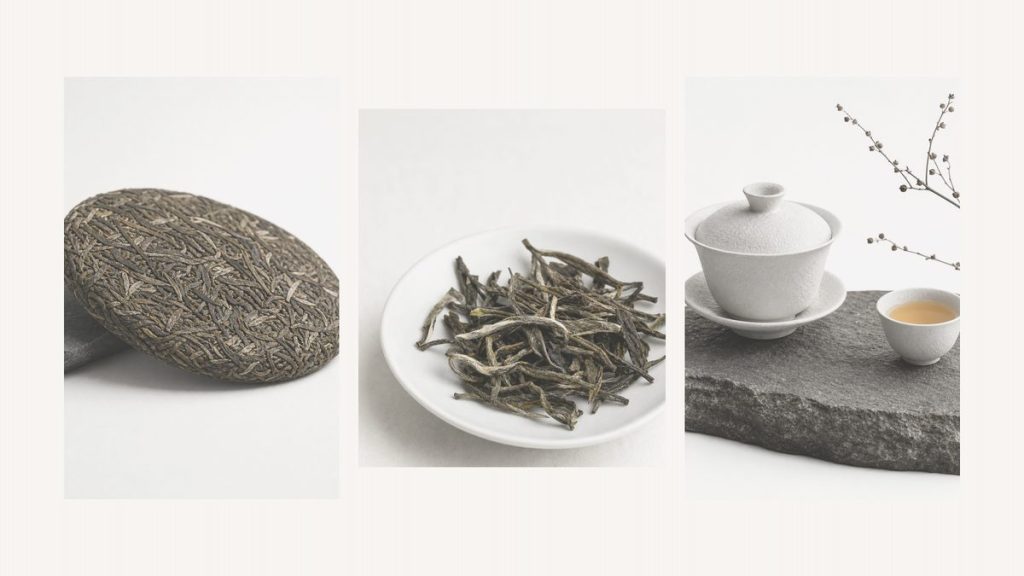
Pu-erh tea can feel complicated at first. It has different production styles, storage traditions, shapes, mountain origins, and aging habits. But once you understand the basic structure, the category becomes much easier to read.
This guide explains Pu-erh tea in a practical way: how it is made, how it is stored, why it appears in cakes, bricks, tuocha, and loose leaves, and why origin matters so much in the final taste.
What Is Pu-erh Tea?
Pu-erh is a tea category historically associated with Yunnan, China. It is usually made from Yunnan large-leaf tea material and is known for its ability to change over time. Some Pu-erh is consumed young for its freshness and strength. Some is stored for years so the flavor becomes deeper, smoother, and more layered.
Unlike many teas that are mainly judged by freshness, Pu-erh is also judged by transformation. Storage, humidity, compression, leaf grade, age, mountain origin, and processing all affect the final cup.
1. Classification by Processing Method
The most important distinction is between raw Pu-erh and ripe Pu-erh.
Raw Pu-erh
Raw Pu-erh, often called sheng Pu-erh, is made with minimal artificial fermentation after processing. When young, it can be lively, bitter, astringent, floral, grassy, or sharply refreshing. With proper storage over many years, the tea may become gentler, fuller, sweeter, and more complex.
Many highly valued aged Pu-erh teas began as raw Pu-erh. The quality of the original leaf material and storage conditions are both crucial.
In the cup, young raw Pu-erh often brews a pale yellow, golden, or greenish-gold liquor. As it ages, the liquor can become deeper orange or amber.
Ripe Pu-erh
Ripe Pu-erh, often called shu Pu-erh, is made with an accelerated post-fermentation process. This method was developed to make the tea smoother, darker, and more mellow in a shorter period of time.
Ripe Pu-erh usually has a deep red, brown-red, or dark amber liquor. Its flavor can be earthy, woody, sweet, smooth, and rounded. A clean ripe Pu-erh should feel soft and comfortable, without unpleasant moldy or muddy notes.
For beginners, ripe Pu-erh is often easier to drink. Raw Pu-erh can be more expressive and age-worthy, but it may also be stronger when young.
2. Classification by Storage Style
Pu-erh does not stop changing after it is made. Storage is one of the most important parts of the tea’s life.
Dry-Stored Pu-erh
Dry-stored Pu-erh is kept in a clean, dry, ventilated environment. The tea changes slowly and naturally. This type of storage usually preserves more fragrance, structure, clarity, and long-term aging potential.
For many drinkers, dry storage is preferred because the tea tends to remain clean and stable. A well-kept Pu-erh may develop beautifully over ten to twenty years or longer.
Humid-Stored Pu-erh
Humid-stored Pu-erh is kept in a more humid environment, sometimes to accelerate aging. This can make the tea seem older faster, but it also carries more risk. If storage is not carefully controlled, the tea may develop musty, muddy, or moldy flavors.
At TAYUNE, we do not recommend teas with obvious moldy or unpleasant humid-storage notes. Good aging should make tea deeper and smoother, not dirty or unsafe.
Regional Storage Styles
Collectors sometimes describe Pu-erh by storage region, such as Kunming storage, Guangdong storage, Hong Kong storage, Taiwan storage, Malaysian storage, or Beijing storage. These names reflect differences in temperature, humidity, airflow, and local storage habits.
The same tea cake can taste very different after years in different environments.
3. Classification by Shape
Pu-erh appears in many forms. These shapes were not created only for beauty. Many were designed for storage, transport, trade, and aging.
Tea Cake
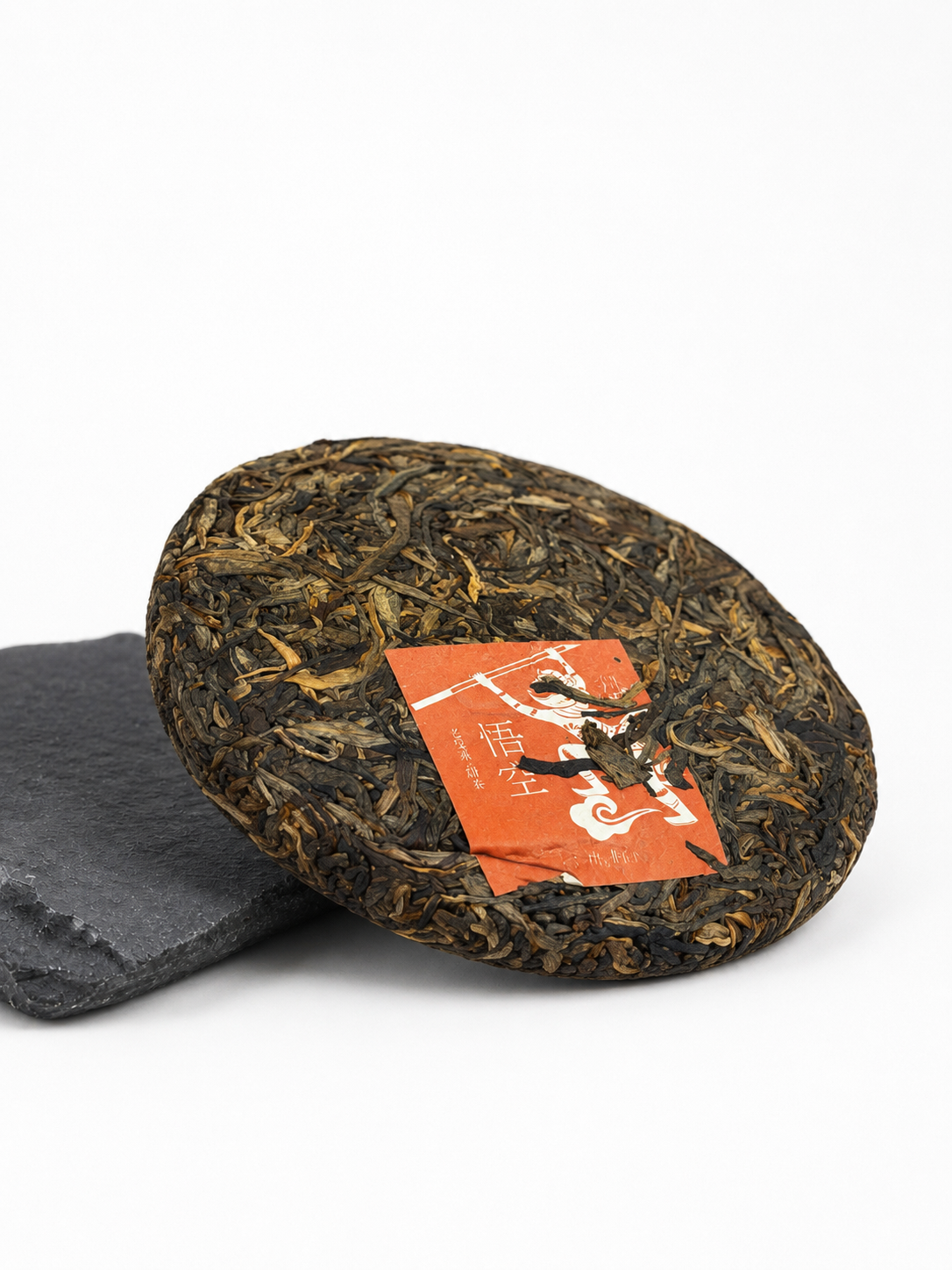
The most familiar shape is the round tea cake. A classic Pu-erh cake often weighs 357 grams. Traditionally, seven cakes were packed together into one tong, which is why the term “seven-son cake” became common.
Tea cakes are practical: they store well, age evenly, and are easy to collect.
Tuocha
Tuocha is shaped like a small bowl or nest. Common sizes include 100 grams and 250 grams, though mini tuocha can be much smaller. This shape is compact and convenient.
Brick Tea
Brick tea is rectangular or square, often made in sizes from 250 grams to 1 kilogram. Historically, bricks were easier to stack, transport, and trade.
Golden Melon Tribute Tea
Golden melon tea is compressed into a melon-like shape. Historically, this form was associated with tribute tea and ceremonial presentation.
Large Compressed Logs
Some traditional compressed teas are made in very large, heavy forms. These are more common in certain historical tea traditions and are less practical for daily drinking.
Loose Pu-erh
Loose Pu-erh is not compressed into a fixed shape. It may consist of large leaf material, smaller broken leaves, or tender buds. Loose tea is easy to brew, but it may age differently from compressed tea because more leaf surface is exposed to air.
In the modern market, many mid- to high-grade Pu-erh teas are still commonly found as cakes or tuocha.
4. Classification by Origin and Tea Mountain
Origin matters greatly in Pu-erh. Yunnan’s tea regions have different altitudes, soils, microclimates, tree varieties, and processing traditions. These differences influence bitterness, sweetness, fragrance, thickness, aftertaste, and aging potential.
The major Pu-erh-producing areas are often discussed around Lincang, Pu’er, and Xishuangbanna. Within these regions, famous tea mountains and villages have developed their own reputations.
Historically, Pu-erh tea mountains were often divided by the Lancang River.
The Ancient Six Tea Mountains
The traditional ancient six tea mountains are commonly associated with the eastern side of the Lancang River. Historical names include Youle, Gedeng, Yibang, Mangzhi, Manzhuan, and Mansa. In modern discussion, Yiwu is often included because it rose to great importance as some older tea areas declined.
These areas are closely connected with the broader Yiwu tea region, which remains one of the most respected names in Pu-erh.
The New Six Tea Mountains
The newer six tea mountains are commonly listed as Nannuo, Nanjiao, Mengsong, Jingmai, Bulang, and Bada. Many of these areas still produce important Pu-erh teas today.
Flavor Tendencies of Famous Tea Mountains
The following descriptions are general references. Individual tea quality still depends on village, garden, tree age, harvest season, processing, storage, and the producer’s skill.
Gedeng
Gedeng tea is often associated with medium-to-small leaf material, noticeable bitterness and astringency, strong returning sweetness, quick salivation, light fragrance, and a deep orange liquor.
Mangzhi
Mangzhi can also show bitterness and astringency, with strong returning sweetness and quick salivation. Its fragrance is usually more understated.
Yibang
Yibang is known for small-leaf tea trees and a refined fragrance. Good Yibang tea can feel elegant, sweet, and delicate, with a clear aftertaste.
Manzhuan
Manzhuan tea is usually made from large-leaf material. It can be bitter and astringent when young, but it may offer strong returning sweetness, good salivation, and a plum-like fragrance.
Mansa and Yiwu
Yiwu is one of the most famous Pu-erh origins. Its teas are often described as soft, fragrant, sweet, and elegant, with honey, plum, and orchid-like notes. Good Yiwu tea can be powerful without feeling aggressive.
Youle
Youle tea can be more bitter and astringent, with quick returning sweetness, good salivation, and a lighter orange liquor.
Nannuo
Nannuo tea is often clear, bright, and honey-like. It may show gentle bitterness, good sweetness, and a clean orange liquor. Nannuo is also known for its old tea tree resources.
Bulang
Bulang is one of the most sought-after origins for strong Pu-erh. It is often bitter, thick, and powerful, with fast returning sweetness and strong salivation. Good Bulang tea can show plum, honey, floral, or orchid-like notes.
Bada
Bada has both cultivated tea trees and wild tea tree resources. Its teas may be bitter and astringent at first, then develop sweetness and salivation. The liquor is often bright orange, and the dry leaves may appear dark green and glossy.
Nanjiao
Nanjiao tea is often lighter in body and sweeter in profile. Some teas from this area may feel thinner compared with stronger mountain styles.
Mengsong
Mengsong tea can be bitter and astringent, with moderate sweetness and salivation. Its liquor may be deep yellow, and the leaf appearance can be darker.
Jingmai
Jingmai is known for old tea gardens and a distinctive fragrance. Many teas from Jingmai show strong bitterness and astringency when young, followed by sweetness and a clear orange liquor. Jingmai’s old tea gardens are among the most famous in Yunnan.
Pu-erh Tea Categories in a Broader Sense
In daily use, “Pu-erh tea” usually refers to raw Pu-erh and ripe Pu-erh. In a broader production discussion, however, Yunnan tea material can be processed into many different tea styles.
Compressed Pu-erh
Compressed Pu-erh includes cakes, bricks, tuocha, square cakes, round cakes, and other shaped teas. The tea is steamed or softened, placed into molds, pressed, dried, and then stored.
Compressed Pu-erh can be raw or ripe. Raw compressed tea ages slowly through natural storage. Ripe compressed tea has already undergone accelerated post-fermentation before or during production.
Yunnan Green Tea
Green tea made from Yunnan material usually goes through fixation, rolling, and drying. It is not the same as aged Pu-erh, but some Yunnan green tea material may later be used for certain compressed forms.
Yunnan Black Tea
Yunnan black tea goes through withering, rolling, oxidation, and drying. It produces a red liquor and red leaves, with sweet, malty, floral, or fruity characteristics.
Oolong-Style Yunnan Tea
Oolong-style processing is partially oxidized. It sits between green and black tea in production logic, offering fragrance, clarity, and a lively mouthfeel.
Yellow Tea
Yellow tea uses a process similar to green tea but includes a yellowing step. This changes the aroma, liquor color, and texture.
Dark Tea
Dark tea is post-fermented. Ripe Pu-erh belongs to this general logic because it uses microbial fermentation to create a darker, smoother profile.
White Tea
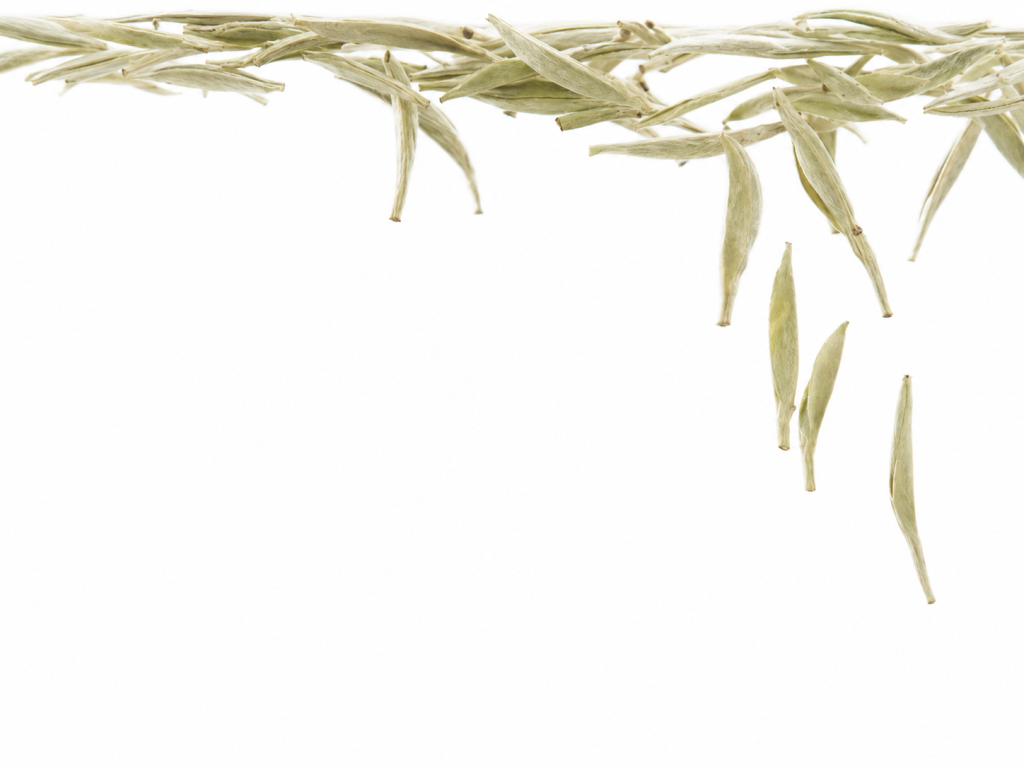
Yunnan white tea is lightly processed, usually withering and drying without heavy rolling or firing. It preserves a soft, natural character and can show downy leaves, pale color, and gentle sweetness.
How to Choose Pu-erh as a Beginner
If you are new to Pu-erh, start with a simple question: do you want freshness and energy, or smoothness and depth?
Choose raw Pu-erh if you enjoy fragrance, structure, bitterness transforming into sweetness, and the possibility of aging.
Choose ripe Pu-erh if you prefer a darker, smoother, earthier, and more immediately comfortable cup.
For storage, choose clean tea first. Avoid obvious mold, unpleasant dampness, or muddy flavors. Good Pu-erh should feel alive, clean, and layered.
For shape, cakes are ideal if you want to collect or age tea. Loose tea is easier for daily brewing. Mini tuocha is convenient, but quality varies widely.
For origin, do not chase names blindly. Famous mountains matter, but taste and trust matter more. A clean, well-made, honestly sourced tea from a less famous area is often better than a poorly made tea carrying a famous name.
Final Thoughts
Pu-erh tea is not one single flavor. It is a living category shaped by processing, storage, compression, origin, and time.
The best way to understand Pu-erh is to taste it patiently. Compare raw and ripe. Compare dry storage and humid storage. Compare Yiwu softness with Bulang strength. Compare young tea with aged tea.
Over time, the structure becomes clear. Pu-erh is not difficult because it is mysterious. It is deep because every choice — leaf, mountain, process, storage, and brewing — leaves a trace in the cup.
Ready to compare actual teas? Browse TAYUNE’s Raw Pu-erh collection for naturally aged sheng pu-erh, or explore the Ripe Pu-erh collection for teas finished through controlled wet piling.