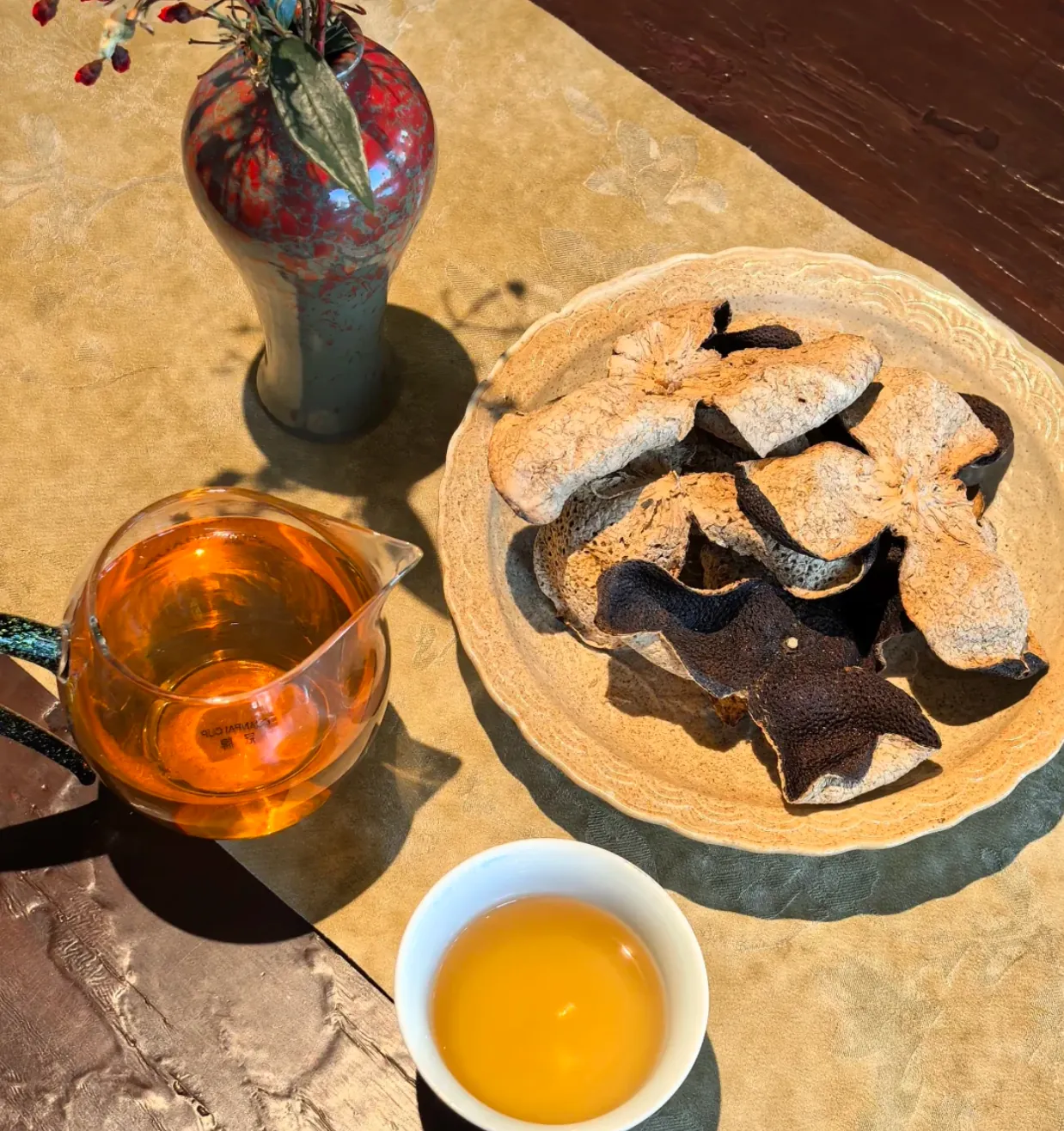
Chenpi is dried, aged mandarin peel used in Chinese tea and cooking. Xinhui chenpi comes from Xinhui in Guangdong, southern China. Brewed on its own, it makes a fragrant, naturally caffeine-free infusion with citrus aroma, gentle bitterness and a lingering sweetness. A small piece also brings depth to tea, soup or a Cantonese dessert.
Two packets labeled “ten-year-aged chenpi” can tell very different stories. One names its growing area and harvest year; the other offers only a dark photograph and a large number. Before paying for age, ask where the peel was grown and how its history is documented. Color alone cannot answer either question.
For a first purchase, choose a manageable pack with a clear origin and age or harvest-year description. Brew it plain, find the strength you enjoy, then try it with tea or in cooking. You do not need a collector's budget to get started.
What makes Xinhui chenpi different
Chenpi means aged citrus peel. In Chinese herbal terminology, it refers to the dried mature peel of Citrus reticulata and its cultivated varieties. Xinhui chenpi is a more specific regional product, not another name for every dried orange peel.
The Xinhui geographical-indication standard identifies the Chachi mandarin cultivar grown within the protected area, with the peel dried and aged locally for at least three years. Origin, cultivar and processing history belong together. Growing the same cultivar somewhere else does not establish Xinhui provenance. See the definition in DB4407/T 70-2021.
The three-year threshold here belongs to that Xinhui standard. It should not be turned into a universal rule for every product described as dried tangerine peel in other culinary or herbal traditions.
Fresh supermarket citrus zest can be delicious in cooking, but drying it at home does not produce the same ingredient. The starting fruit, preparation and years of storage all affect what reaches your cup.
Why the region and its craft matter
Xinhui is part of Jiangmen, in Guangdong's Pearl River Delta. Its agricultural setting and seasonal climate are part of the local tradition of growing mandarins and storing their peel. Place matters, but so does the work done after harvest.
The peel must be opened, turned, dried and stored with care. Producers monitor moisture and condition over successive seasons. A humid regional climate is not an invitation to leave peel damp: the craft depends on managing that environment.
In 2021, Xinhui chenpi processing was added to China's national intangible cultural heritage list. The official heritage record describes a living practice passed through local families and businesses, covering harvesting, opening, turning, sun-drying and aging.
That history helps explain why chenpi appears in both Cantonese kitchens and traditional herbal practice. For an overseas buyer, it also offers a useful question to ask: who handled the peel, and what is known about its storage?
How the peel is made
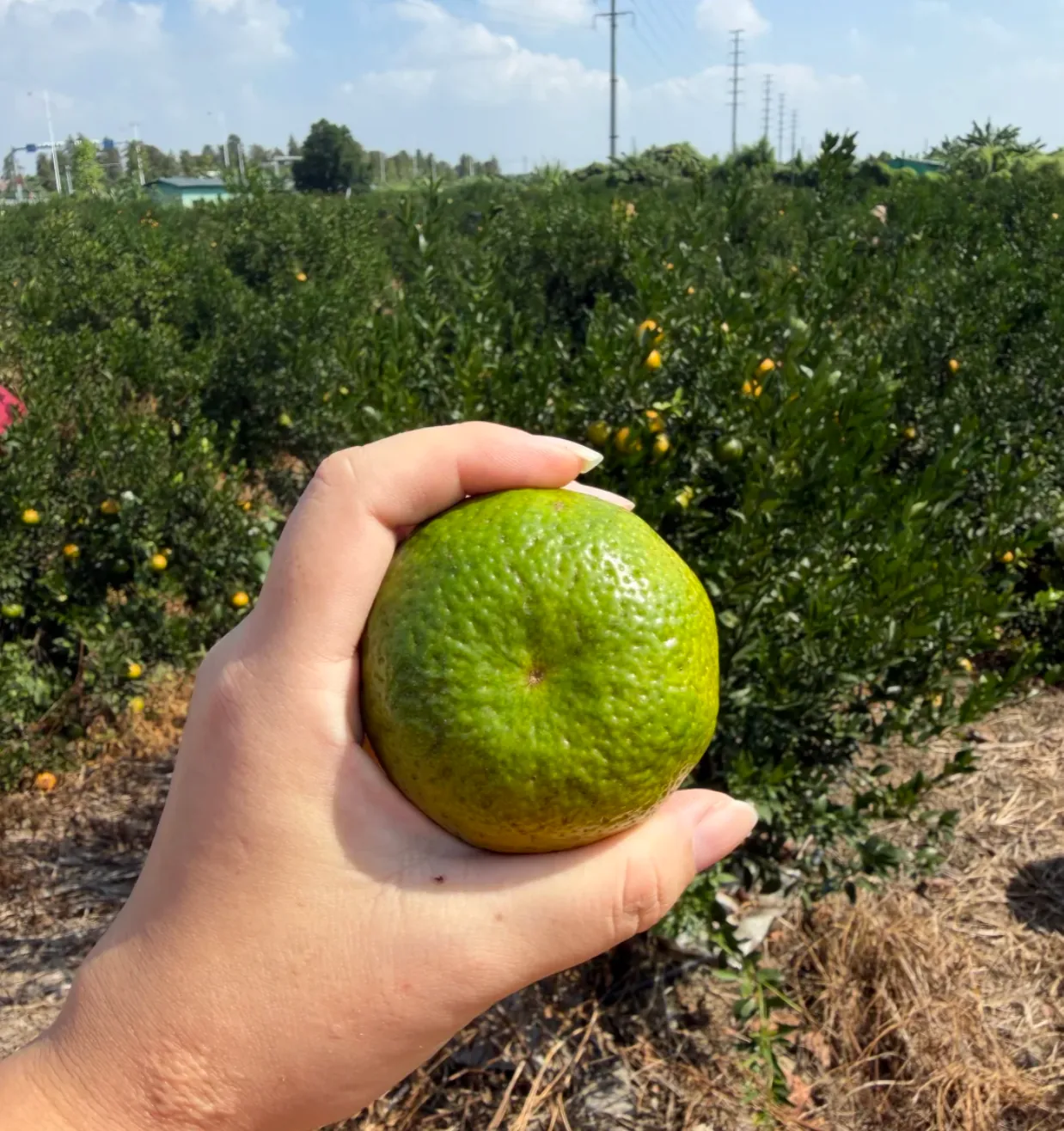
Mandarins are harvested at different stages of ripeness. The peel is often opened into three connected lobes, then turned so that its pale inner surface faces outward. Drying removes moisture before storage begins.
Sun-drying is traditional. The regional standard also permits controlled low-temperature drying; oven-dried does not automatically mean artificially aged. The important distinction is between a documented drying method and processing used to misrepresent a peel's age.
The familiar three-lobed shape is useful to recognize, but it is not a certificate of authenticity. The standard allows other opening methods by agreement, and genuine peel can break during handling. A packet of pieces deserves the same questions about origin and storage as a whole peel.
Once dried, the peel is stored and checked over time. Aging changes its aroma, taste and chemical composition. Good storage preserves the material through those changes; it cannot repair poor raw material or contamination.
Green, er-hong and da-hong peel
Harvest maturity is different from storage age. Green peel is harvested from less mature fruit; it does not simply mean peel that has spent fewer years in storage. The main terms you will see are qingpi, er-hong and da-hong.
| Harvest type | Fruit maturity | Typical sensory direction | A useful starting point |
|---|---|---|---|
| Qingpi or green peel | Earlier harvest | Thinner peel with a sharper, more bitter character | For drinkers who deliberately want a more assertive style |
| Er-hong or partly colored peel | Intermediate maturity | Citrus aroma with some sweetness and bitterness | Compare for both infusions and cooking |
| Da-hong or red peel | Later, more mature harvest | Fuller peel and a sweet-aromatic character | Often approachable for a first plain infusion |
These are broad style distinctions, not a ranking from poor to excellent. The dates of harvest vary with the season, so maturity descriptions are more useful than treating a calendar date as a guarantee.
Later-harvest peel can be an appealing starting point if you prefer a rounder citrus character. If a listing does not state the harvest type, ask rather than guessing from a photograph. Color also changes with storage and lighting.
What aging changes and how much age to buy
Young peel can have a vivid, direct citrus fragrance. With storage, some batches develop a quieter citrus note alongside woody, dried-fruit or spice-like aromas. The cup may feel rounder, although harvest maturity, brewing strength and storage conditions also shape the result.
Studies of longer-stored peel and the same batches over two years show that its compounds change at different rates. For buying, that means an extra year on the label is not a dependable measure of flavor or value. Compare the batch and its storage history, not just the age claim.
Is six-year-aged chenpi the best choice?
Six years can be a useful age to compare, but there is no universal six-year sweet spot. A well-kept younger peel may suit your taste and budget better than an older batch with little information behind it.
For everyday use, start with an affordable, clearly documented aged peel rather than paying a large premium for a very old batch. If you later become interested in older material, buy a small quantity and brew it alongside something you already know.
Ask whether the seller is giving a harvest year or a current age claim. A harvest year remains a useful reference as time passes. It is easier to interpret than a packet that says only “old chenpi.”
What chenpi tastes like
Expect citrus aroma with some bitterness from the peel and a sweetness that can become more noticeable after swallowing. Depending on the batch, descriptions may include dried mandarin, aged wood, warm spice or dried fruit.
Taste the first infusion before adding anything else. Notice the citrus when you lift the cup and the sweetness that remains after the initial bitterness. If the brew tastes too sharp, use less peel or shorten the next infusion.
Brew a small portion on its own before pairing it with tea. This makes it easier to notice what the chenpi contributes and whether its aroma stays clean as the infusions develop.
Traditional uses and what research can tell us
Chenpi's place in Cantonese kitchens sits alongside a long history in Chinese medicine. The Hong Kong Polytechnic University herbal database records traditional uses associated with digestion and phlegm. Those uses explain part of its cultural importance; they are not evidence that a cup of chenpi treats digestive or respiratory illness.
Modern studies examine citrus compounds such as hesperidin, nobiletin and tangeretin. Some investigate isolated cells, while human research includes purified hesperidin supplements. Neither gives us a reliable way to predict a medical benefit from an ordinary infusion. Choose your peel for its origin, condition and flavor, rather than a promise to treat symptoms.
A practical safety note
Avoid chenpi if you have a known citrus allergy, and stop if it causes discomfort. If you take medication, are pregnant or breastfeeding, or plan to give concentrated herbal drinks to a child, ask a qualified clinician first. MotherToBaby's herbal-products guidance explains why culinary use and medicinal preparations need different consideration. Seek medical advice for ongoing symptoms rather than trying to treat them with tea.
How to brew chenpi on its own
For a first pot, use this starting recipe:
| Ingredient or step | Starting point |
|---|---|
| Dried chenpi | 3 to 5 g |
| Water | 500 ml |
| Water temperature | 90 to 100°C or 194 to 212°F |
| First infusion | 3 to 5 minutes |
| Later infusions | Add fresh hot water and adjust the time to taste |
Use the lower end of the range if you are new to the flavor. Check that the peel is clean and dry. A brief rinse can remove surface dust, but rinsing cannot make moldy or otherwise spoiled peel fit to drink.
Break a large piece into smaller pieces if it will not sit comfortably in the pot. Add hot water, cover and taste after three minutes. Strain when the balance suits you. Longer steeping usually gives a stronger cup, including more bitterness.
Re-infuse while the aroma and flavor remain enjoyable. Thickness, piece size and brewing strength change how long a portion lasts, so there is no need to aim for a fixed number of brews.
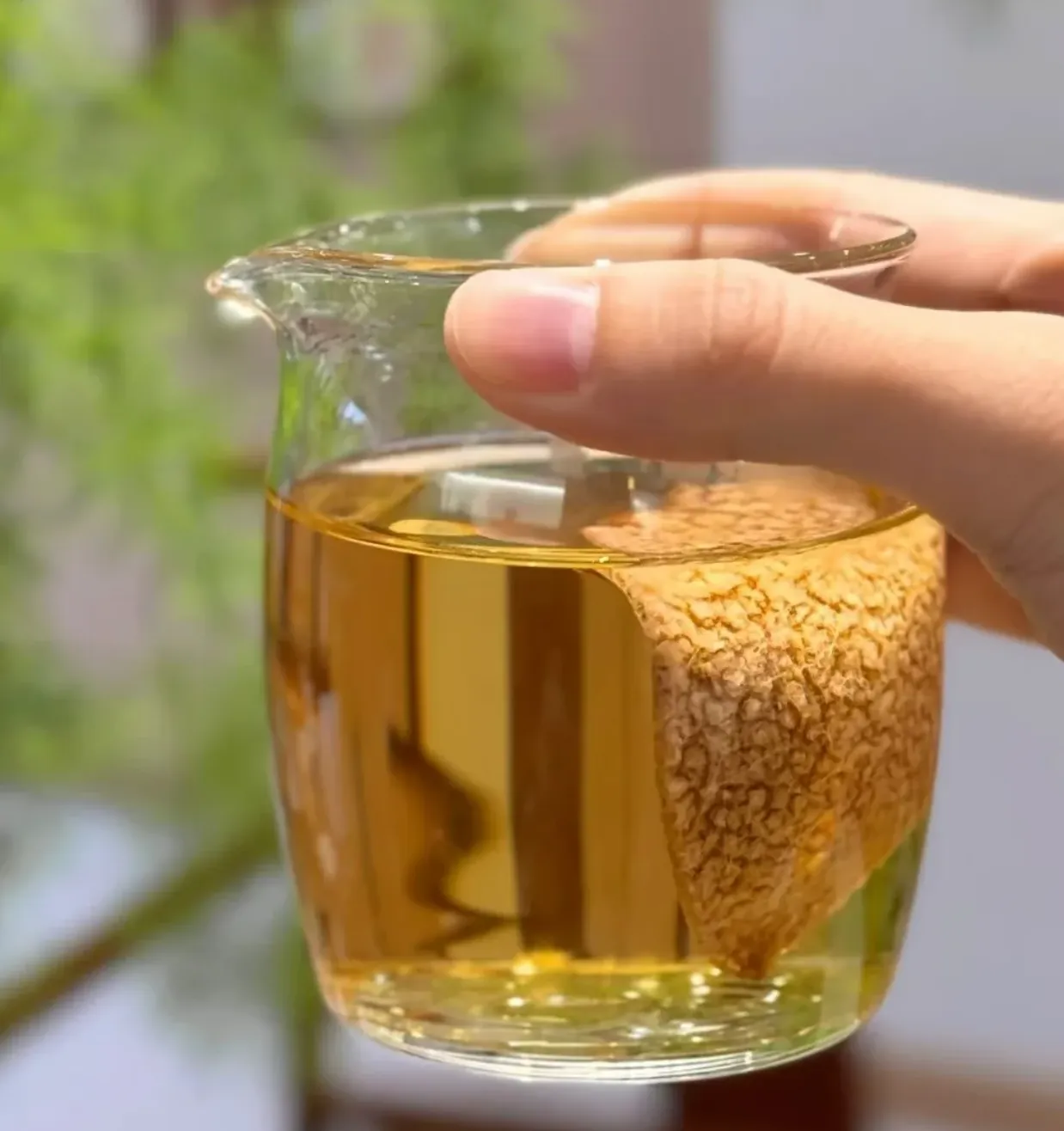
The Meijiang chenpi product page uses the same 500 ml starting method. Follow any batch-specific instructions supplied with your purchase.
Pairing chenpi with tea
Ripe Pu-erh is a familiar pairing. Its earthy, mellow character leaves room for the peel's citrus aroma. Brew the tea on its own first, then add a small piece of chenpi on a later session so that you can judge the difference. For that pairing, the 2019 ripe mini tuocha is a handy starting point: the tea comes in small pressed portions.
White tea offers another direction, especially if you enjoy a lighter cup with citrus on top. Chrysanthemum can add a floral element. Begin with less peel than you would use for a plain infusion; it is easy for a concentrated citrus note to cover the tea or flowers. A few chrysanthemum blossoms can go alongside the peel when you want a more floral pot.
Chenpi brewed alone is naturally caffeine-free. A blend containing Pu-erh, white tea or another true tea contains caffeine from those leaves. Choose the ingredients according to the drink you want, rather than assuming that every chenpi blend is caffeine-free.
For a pairing, explore the ripe Pu-erh collection and use the tea's own brewing instructions as your starting point.
Using chenpi in the kitchen
In Cantonese cooking, aged peel is valued as an aromatic ingredient. A little can bring depth to a savory broth or balance the sweetness of a dessert.
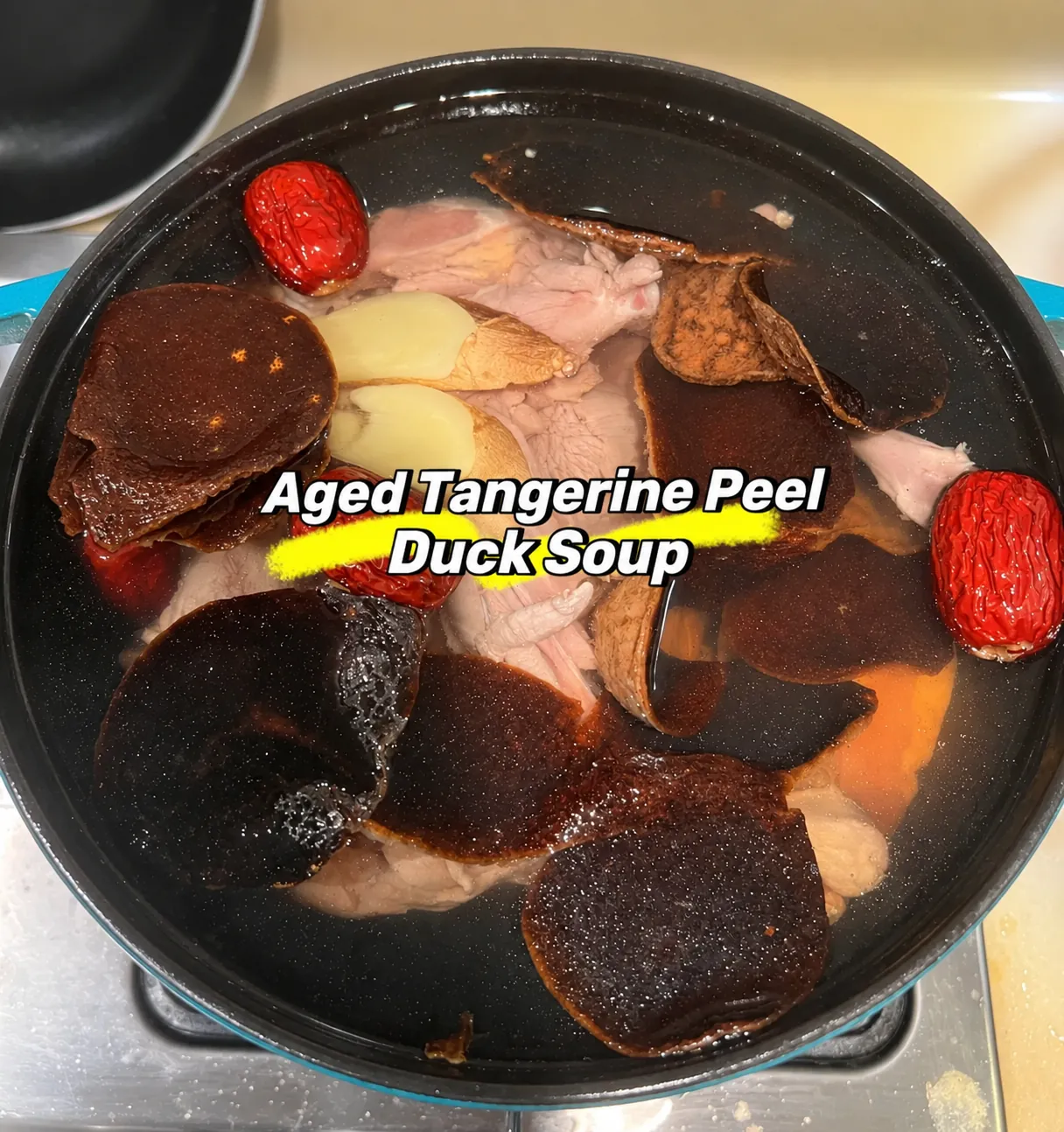
Try a small piece in pork-rib or duck soup, or add a modest amount to a pot of congee. Let the aroma infuse during cooking, then remove a large piece before serving if its texture does not suit the dish. Start lightly: a concentrated peel flavor can dominate a delicate broth.
Red bean dessert soup is another classic use. The citrus aroma gives the beans and sugar a more layered flavor without requiring a long list of ingredients. If you prefer, soften a piece in water and cut it into fine strips before adding it.
Use recipes and portion sizes appropriate to the people eating the dish. A little peel goes a long way, particularly when it stays in the pot throughout cooking.
How to store chenpi at home
Keep the peel dry, away from direct sunlight, cooking steam and strong odors. Inspect it when it arrives so that you know its original aroma and condition. Use clean, dry hands or utensils when taking a portion.
Professional aging stores and a household kitchen face different conditions. For a small quantity intended for drinking, follow the supplier's storage instructions rather than trying to reproduce a humid Xinhui warehouse. Do not add water to accelerate aging.
If using a jar or tin, put away only thoroughly dry peel and keep moisture from becoming trapped inside. If using breathable packaging, make sure the surrounding air is dry and clean; an open bag beside a kettle or stove is a poor storage place. Containers alone cannot compensate for a damp room.
Check periodically for condensation, soft damp patches, insects, fuzzy growth or a musty smell. Do not brew suspicious material to test whether it is safe. Contact the seller if its condition is uncertain. Sun-drying or boiling is not a reliable way to rescue moldy food.
Good home storage protects the peel you bought. For a first purchase, a small pack you can use and monitor is easier to manage than a large collection intended for decades of aging.
How to assess quality without being misled by age claims
Start with the seller's information, then use the peel itself to judge condition and flavor. Your senses are useful here, but they cannot confirm an exact age or geographical origin.
Darker does not always mean older
Turn a piece over and examine both surfaces. Look at the oil-gland texture and pale inner pith, allowing for natural differences in color and thickness. Whole connected lobes show the traditional opening method clearly; broken pieces can be perfectly practical for brewing. Neither shape nor darkness proves the age on the label.
Once you have looked at it, take a moment with the aroma. Citrus may be bright and direct or quieter, with woody notes. A musty, stale-damp or unexplained chemical smell is a reason to put the peel aside and contact the seller.
Dryness tells you more than a fingernail test
Handle the peel gently. Thickness and handling affect how easily it breaks, while dampness can make it soft. There is no need to scrape the surface to make it release visible oil. For storage decisions, noticing a change from dry to damp matters more than whether a demonstration produces a shiny mark.
Let a plain brew show you the flavor
If the peel is sound and intended for food use, brew a small measured portion with plain water. Taste for citrus aroma, manageable bitterness and sweetness in the finish, then try another infusion. This tells you whether you enjoy the batch.
A dark first cup or quickly fading flavor needs context: dose, piece size and steeping time all affect the result. If you suspect contamination or adulteration, stop using the product. A home brew cannot settle a food-safety question.
What to ask before buying
A useful product listing should tell you more than “authentic old peel.” Check for:
- The stated growing origin and, where available, a named Xinhui locality.
- A harvest year or a clearly explained age claim.
- The net weight, ingredients and whether the product is plain peel or a blend.
- Available producer, batch, storage and traceability information.
- Clear photographs, preparation guidance and a way to ask the seller questions.
If a geographical-indication mark or certification is shown, ask what it covers and how it can be checked. A retail seller's brand is not itself proof of GI authorization. Nor does an attractive QR code replace meaningful information about the batch.
Be particularly careful with very old peel offered in large quantities at implausibly low prices. Treat that as a reason to seek stronger documentation, not as proof of a bargain. A higher price is not proof of authenticity either.
A smaller first pack or a gift format
If you want to try the brewing method above without buying a large quantity, our 5-Year-Aged Tianma Xinhui Chenpi in a 50 g bag is a practical place to start. The listing identifies Tianma as the origin, states the age and describes bright citrus, aged wood and warm spice. Begin with 3 g in 500 ml of hot water, taste after three minutes and adjust from there.
If you already enjoy chenpi or are choosing a gift, our 2020 Meijiang Xinhui Chenpi Gift Box offers 160 g in two 80 g tins. The harvest year is stated, and the separate tins offer a different format from the smaller everyday bag. Compare the origin and product details as well as the quantity.
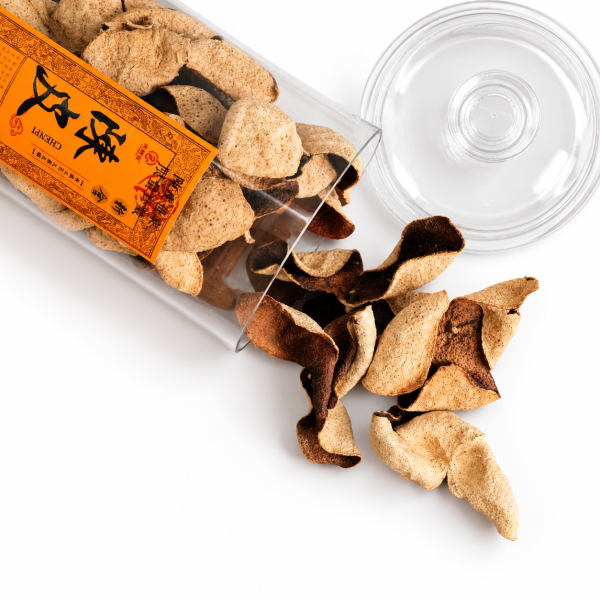
5-Year-Aged Tianma Xinhui Chenpi
50 g bag · A smaller first pack for brewing and cooking.
View product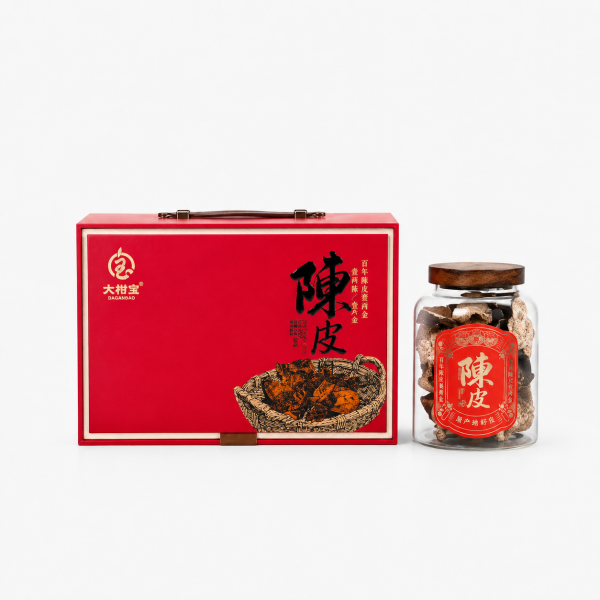
Browse the Xinhui Chenpi collection to choose the pack that fits your plans. For a first order, the smaller bag gives you room to try a plain infusion, a Pu-erh pairing and a little cooking before deciding what to explore next.
Related reading: 2020 Xinhui Meijiang aged Chenpi and the history of Chinese tea.