Phoenix Dan Cong tea, sold in China as Fenghuang Dancong, is one of the most aromatic oolongs you can buy. It comes from the mountains around Chaozhou in Guangdong. A good one smells of flowers, honey or ripe fruit, yet the bag holds nothing but tea leaves.
It is also easy to get wrong. There are dozens of aroma names, labels that promise old bushes and high mountains, and leaf that turns bitter if you steep it ten seconds too long. Below is how we sort through it, starting with the basics.
What is Phoenix Dan Cong tea
Phoenix Dan Cong, also written Fenghuang Dancong, is an oolong tied to the Phoenix Mountains and the wider protected area around Chaozhou. The city’s geographical-indication standard defines it as oolong made from cultivars or lines selected from Fenghuang Shuixian and processed by the local traditional method.
The same standard describes a natural floral or fruit-like aroma, a honeyed character and the local quality called cong yun, a lingering mountain-and-bush character that drinkers recognise in the aftertaste.
Dan Cong is usually translated as “single bush,” which is why some sellers call it single bush oolong. It comes from the old practice of processing outstanding trees on their own. Modern Phoenix Dan Cong may instead come from groups of trees of the same cultivar or lineage, so a bag labelled Dan Cong may not come from one tree.
What the dry leaf should look like
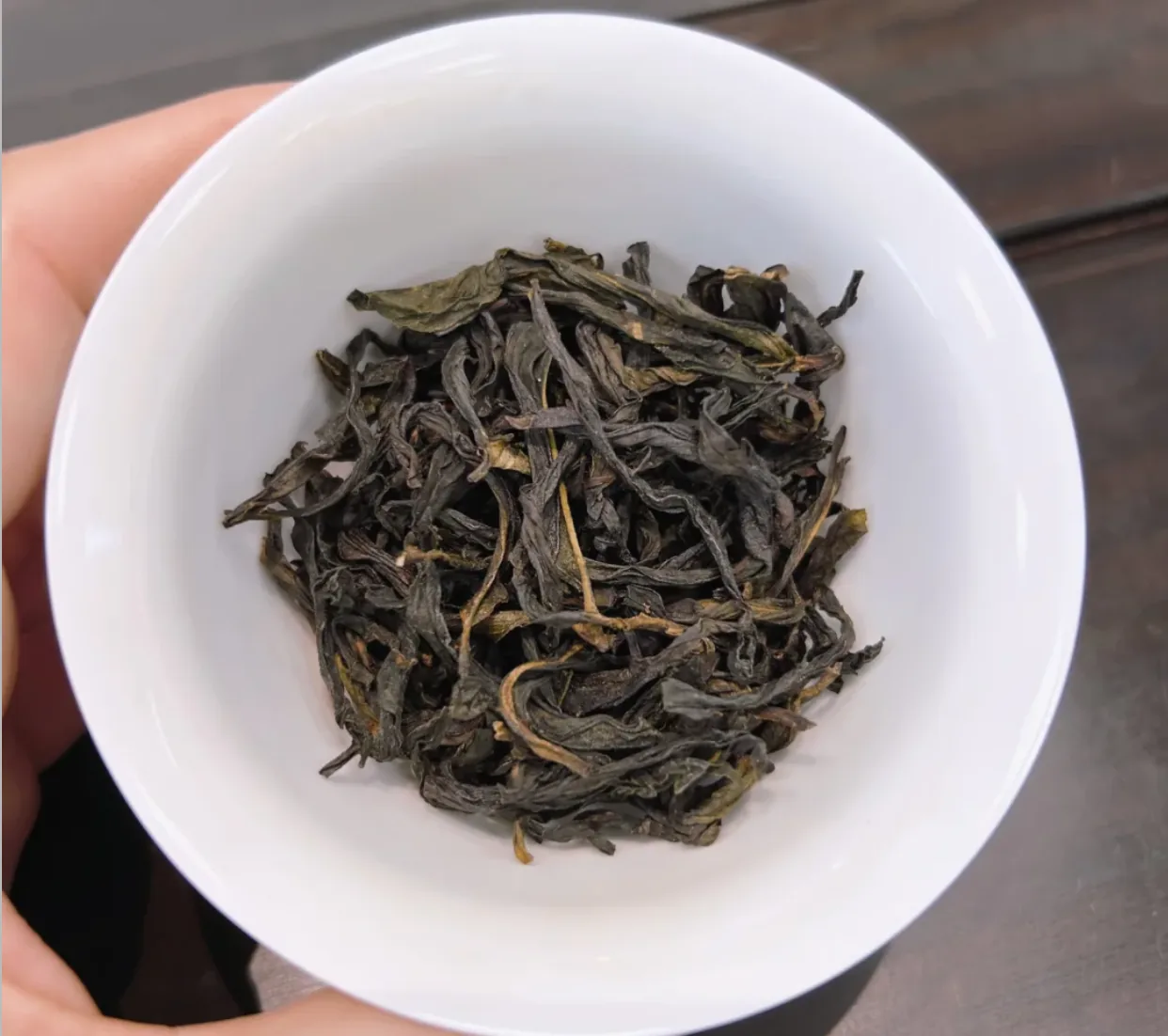
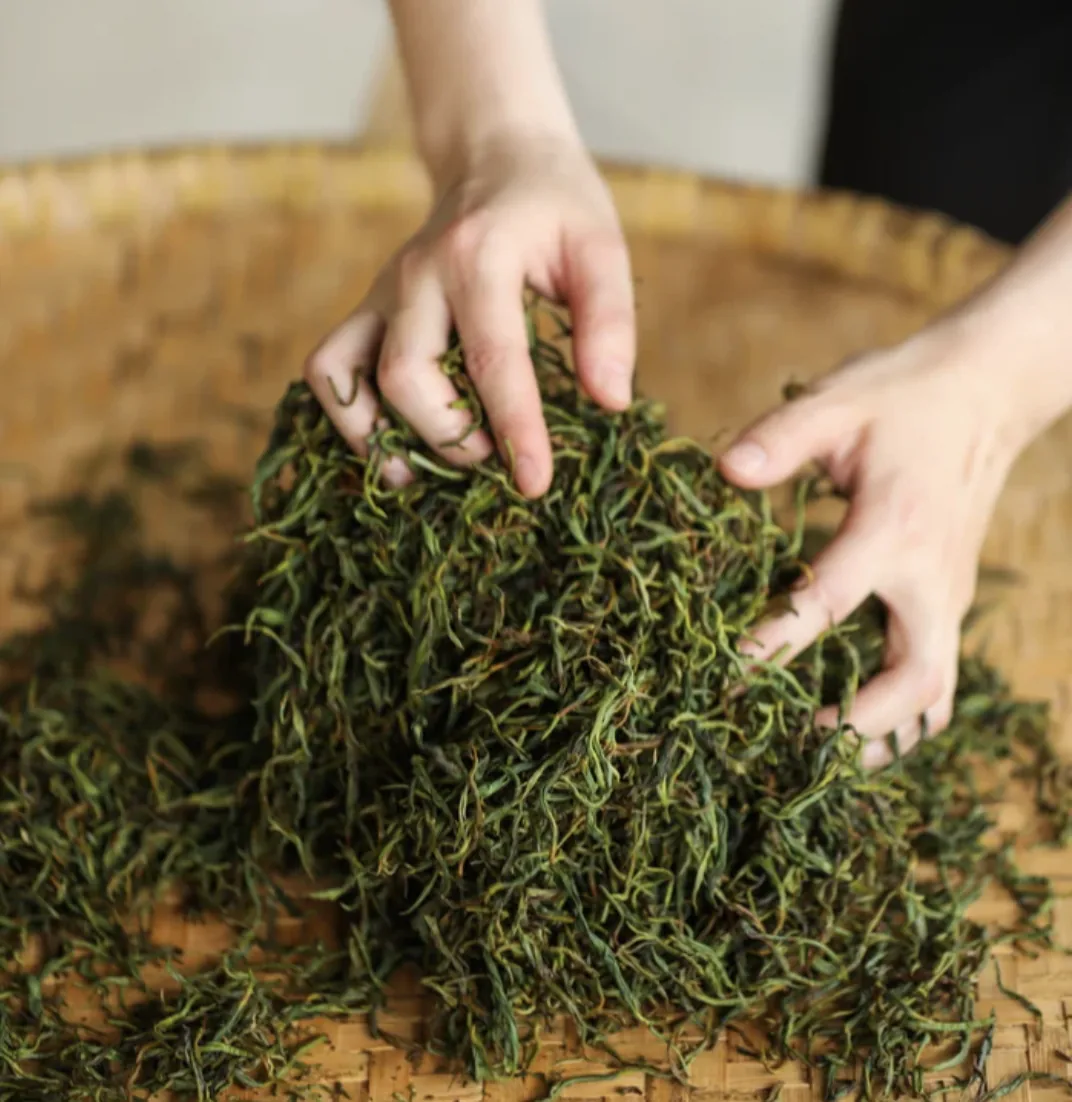
Unlike the rolled balls of Tieguanyin or many Taiwanese oolongs, Phoenix Dan Cong is shaped into long, twisted strips. The colour runs from dark brown-green on lighter roasts to near black on heavier ones, often with a slight sheen.
Smell the dry leaf before brewing. A well-made batch should already give off a clear floral or honeyed scent. A flat, dusty or smoky smell at this stage usually carries into the cup, and no brewing trick will fully fix it.
Is the floral aroma natural
In an unflavored Phoenix Dan Cong, the floral, fruity and honey-like aromas come from the leaf itself. They form during growth, oxidation and roasting. Aroma research has identified naturally occurring volatile compounds behind these impressions, with the balance shifting between cultivars, seasons and batches.
Read the aroma name as a hint, not a promise. A Honey Orchid (Mi Lan Xiang) has no honey in it, and an Almond Dan Cong has no nuts. Roast and storage can also pull the same tea from fresh flowers toward dried fruit or wood.
When buying, check that the seller calls the tea unflavored and that the ingredient list says tea only. A long-lasting aroma alone cannot prove a tea has not been flavored, so the seller’s disclosure tells you more than any single sniff test.
Where Phoenix Dan Cong comes from
Chaozhou’s DB4451/T 1-2021 standard gives Fenghuang Dancong protected geographical-indication status and sets the approved production area and processing rules. That area is larger than a single mountain or village, so Phoenix Dan Cong is best described as a Chaozhou oolong rather than a single-mountain tea.
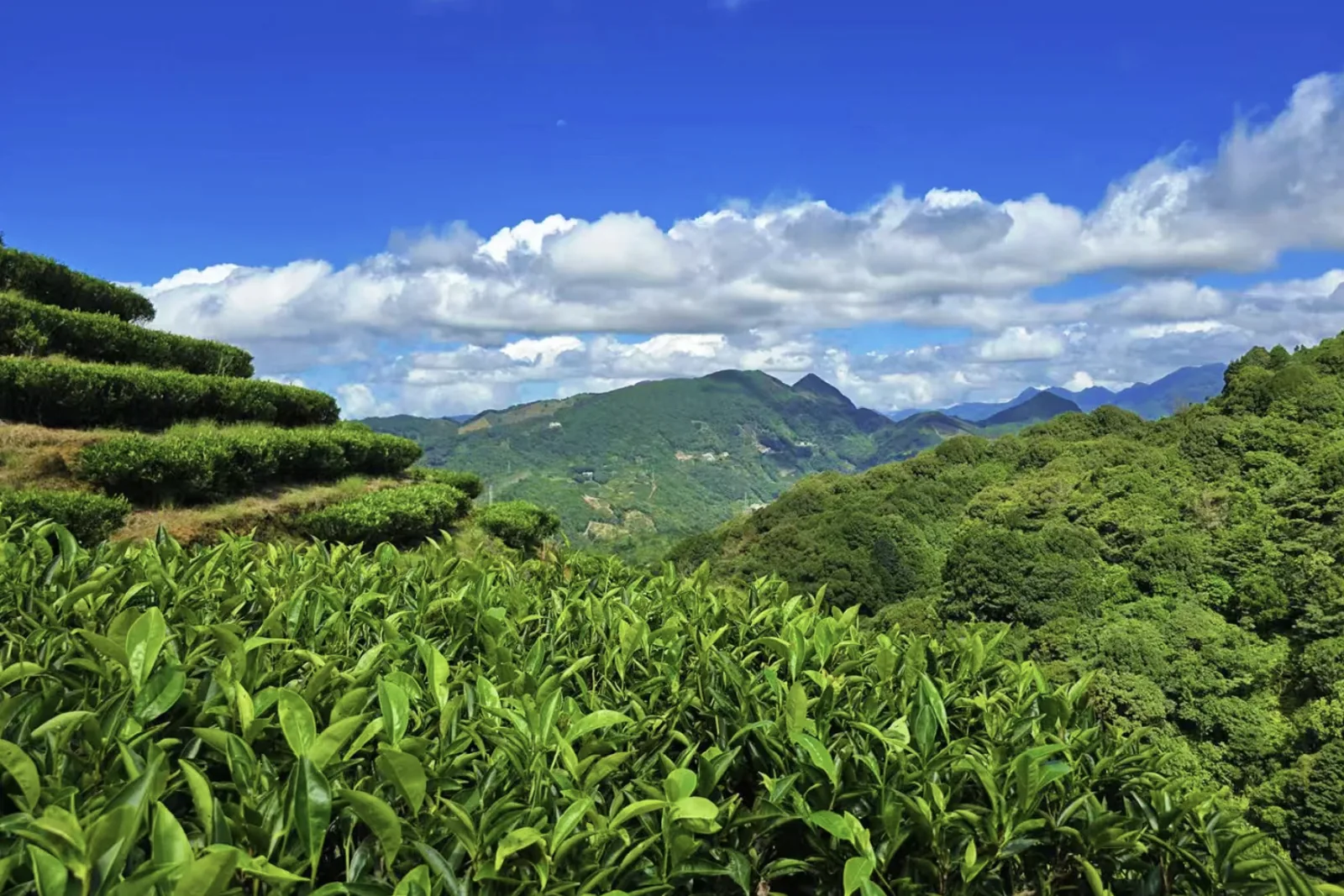
Wudong is one of the best-known high-elevation origins in the Phoenix Mountain area. The name is useful when a seller can back it up with a village or garden, a harvest date and a consistent batch description. Elevation affects growing conditions, but it does not establish quality on its own.
Plant material, weather, picking standard, processing skill and storage still shape the final cup. A carefully made tea from a lesser-known slope can easily beat a careless one carrying a famous mountain name.
The main Phoenix Dan Cong aroma types
Phoenix Dan Cong is traditionally grouped into ten major aroma families, alongside many other named cultivars, single-tree names and local styles. The ten families are a practical way in, not a complete catalogue. English translations vary, so keep the pinyin name when comparing sellers.
| Aroma type | Common English name | What you may notice |
|---|---|---|
| Huang Zhi Xiang | Gardenia | White flowers, citrus blossom, a clear high fragrance |
| Mi Lan Xiang | Honey orchid | Honey, orchid, ripe fruit, a rounder roasted finish |
| Zhi Lan Xiang | Orchid | Fine orchid fragrance and a lingering floral return |
| Xing Ren Xiang | Almond | Almond skin, toasted nuts, gentle stone fruit |
| Yu Lan Xiang | Magnolia | Magnolia-like florals, light and sweet |
| Gui Hua Xiang | Osmanthus | Sweet osmanthus and honeyed fruit |
| Rou Gui Xiang | Cinnamon | Warm spice, wood, a fuller roasted profile |
| Jiang Hua Xiang | Ginger flower | Sharp floral lift with a lightly spicy edge |
| Ye Lai Xiang | Night-blooming flower | Deep, sweet florals that open up in later infusions |
| Mo Li Xiang | Jasmine | Fresh jasmine-like fragrance with a lifted finish |
These are traditional naming categories based on how the tea smells and tastes. None of them means flowers, nuts or spices were added, and two batches with the same name can still differ noticeably.
Ya Shi Xiang
Ya Shi Xiang (鸭屎香), often translated as “Duck Shit Aroma,” is one of the best-known Phoenix Dan Cong teas outside the ten families. Despite the name, it is prized for an expressive floral fragrance, often recalling gardenia, honeysuckle and sweet fruit, sometimes with a soft creamy edge.
It should not be confused with “Milk Oolong,” a term more often linked to Taiwan’s Jin Xuan cultivar or to oolong with added milk flavoring. Some Ya Shi Xiang batches feel creamy or almond-like, but the defining profile is floral rather than milky. Our 2026 Wudong Ya Shi Xiang has honeysuckle and creamy notes; those are tasting notes, not added dairy.
A widely told local story says a grower gave the tea an unappealing name to stop neighbours from taking cuttings of his prized bushes. The real origin is debated, and several local versions exist.
Dongfanghong
Dongfanghong is another well-known name outside the ten-family list. Depending on batch and roast, it can show peach, gardenia, honey, wood or warm roasted notes. Like Ya Shi Xiang, the name identifies a tea style or lineage, not added ingredients.
Mi Lan Xiang or Ya Shi Xiang: which to try first
If you are new to Dan Cong, choose by flavor direction rather than chasing the rarest name. For most first-time drinkers, the choice comes down to two teas: Mi Lan Xiang and Ya Shi Xiang.
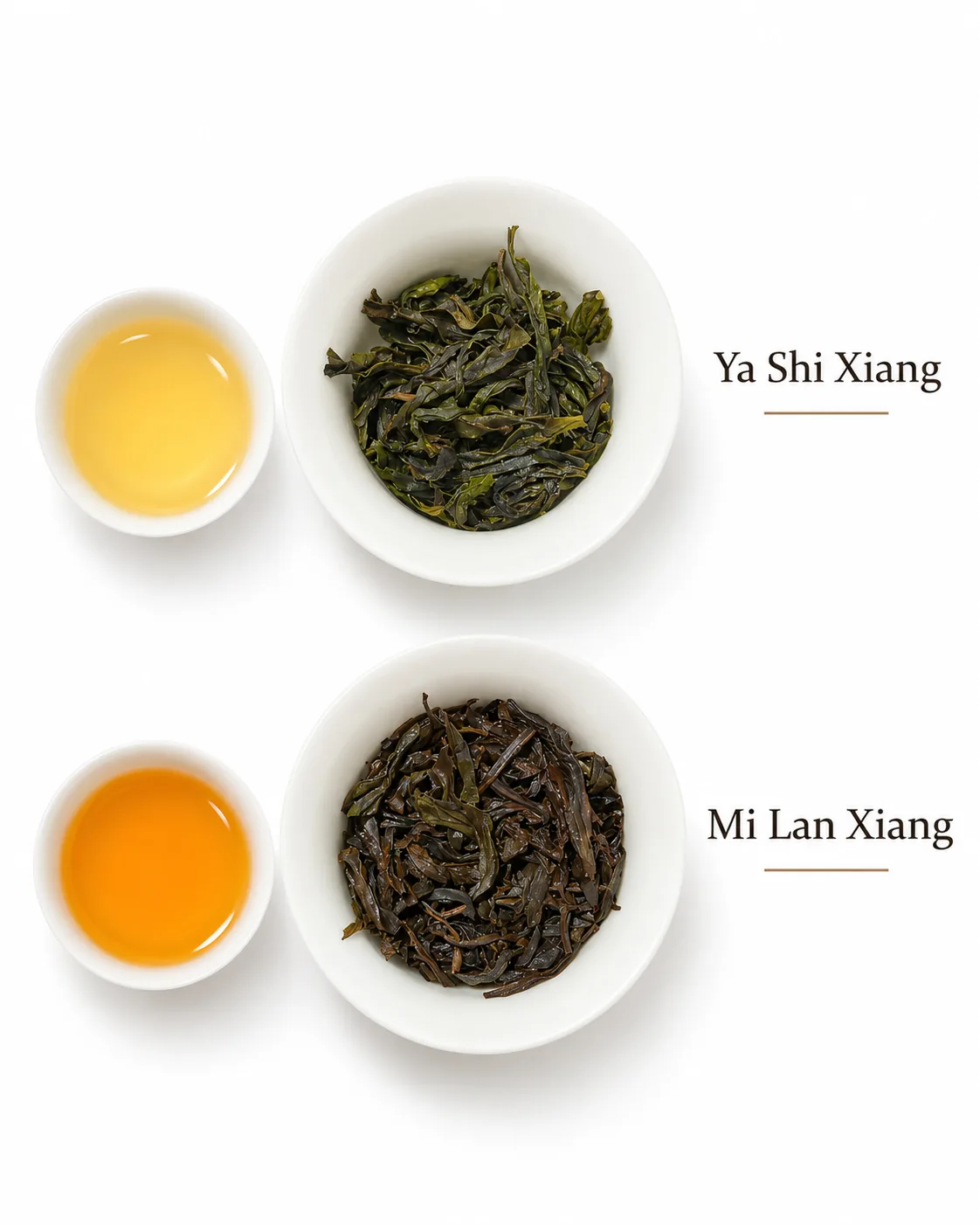
Mi Lan Xiang is the easier starting point. It leans toward honey, ripe fruit and a rounded roasted finish, and it tends to forgive a slightly long steep. If you already enjoy Wuyi rock oolong or roasted Tieguanyin, it will feel familiar. For a honeyed, orchid-scented example, there’s 2026 Wudong Mi Lan Xiang.
Ya Shi Xiang suits drinkers who want brighter florals and a more perfumed cup. It is often sold at a lighter roast, so it shows more aroma but punishes careless brewing with bitterness sooner.
After those two, Xing Ren Xiang moves toward nuts and gentle bitterness, while Dongfanghong offers ripe fruit with a deeper structure. You can also compare Dan Cong with other Chinese oolong teas.
Light roast vs heavy roast
Roast level changes a Dan Cong as much as aroma type does. The same leaf can taste quite different depending on how long and how hard it was finished over heat, so always check roast level when comparing two sellers.
A light roast keeps the cup bright and floral, with a pale gold liquor. It shows the most fragrance but can turn sharp if the water is too hot or the steep runs long. It is also the style most sensitive to poor storage.
A medium or heavy roast moves the cup toward honey, dried fruit, nuts and wood, with an amber to orange liquor. Bitterness is easier to manage, but a roast that is too heavy or too fresh can mask the leaf’s own aroma behind a charred note.
Freshly roasted tea often tastes slightly harsh or “fiery.” Many drinkers let it rest for some weeks or months after roasting before judging it. Ask the seller when the last roast took place.
High-mountain and old-bush labels
“High mountain,” “Wudong” and “old bush” are common on Dan Cong labels and often carry a higher price. They can be useful sourcing details, but they should not replace a complete description of the tea.
Research on Dan Cong grown at different elevations has found measurable differences in aroma compounds. That supports a modest conclusion: growing environment matters. It does not show that the highest garden always makes the best tea. Poorly processed high-mountain leaf can still taste thin, scorched or rough.
Producers often use “old bush” for material expected to show a calmer aroma, fuller texture or longer finish. Age alone does not guarantee those qualities, and an exact tree age is hard for a buyer to verify. Treat it as a sourcing claim that needs context, not as a grade.
A transparent seller should be able to say whether the leaf comes from mature bushes, a named garden or a mixed batch, without leaning on tree age alone to justify the price.
How Phoenix Dan Cong is made
The geographical-indication standard lists the main production steps as sun withering, indoor cooling, zuo qing (also called lang cai), fixation, rolling and drying. Refining can then include sorting, grading, further roasting, cooling and packing.
Plucking
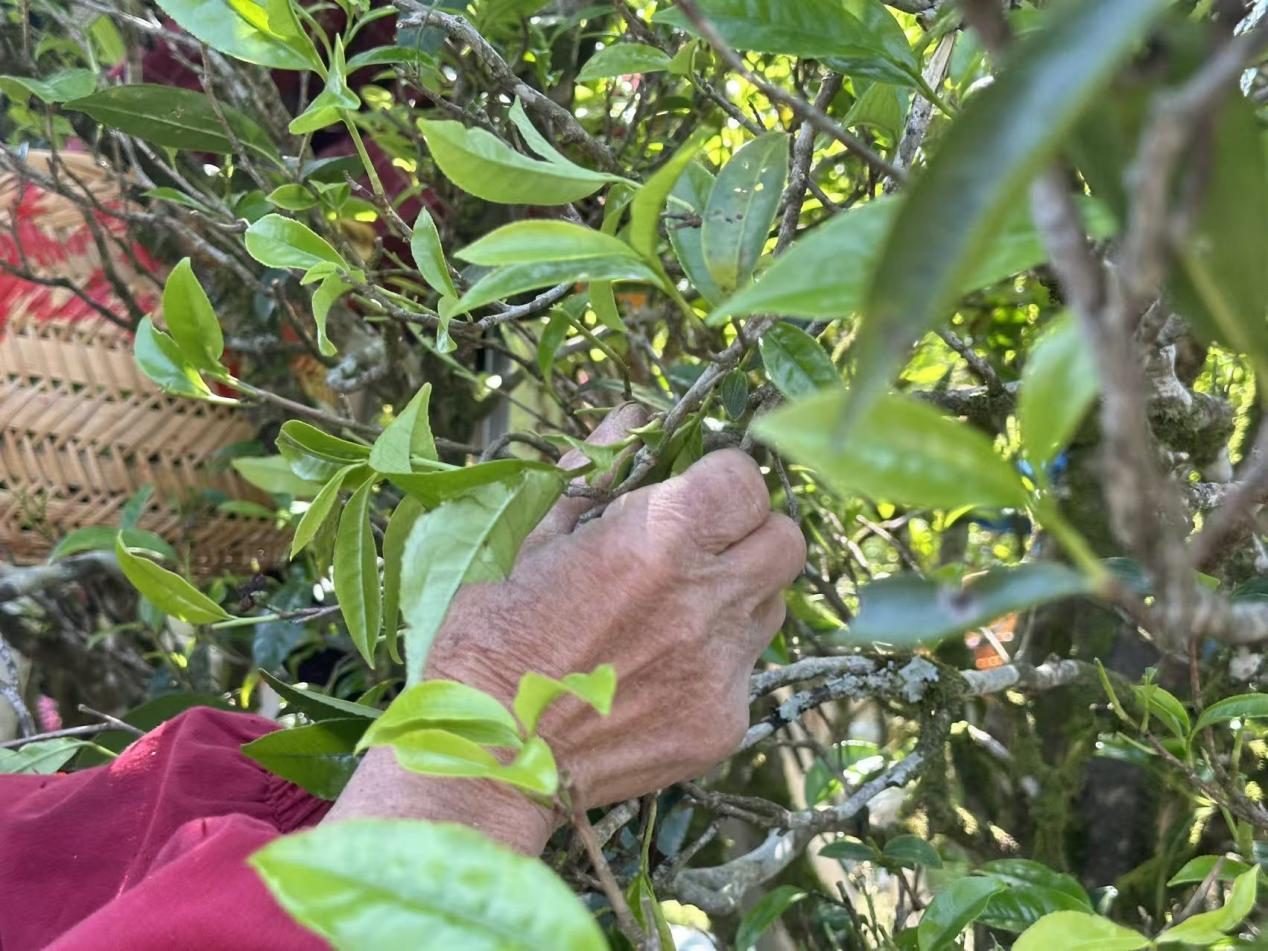
Dan Cong is picked after the shoot has opened, not at the tiny bud stage used for many green teas. The local standard allows mature shoots with two to four leaves, depending on season. Whole, sturdy leaves give the maker enough structure for repeated tossing.
Sun withering and cooling
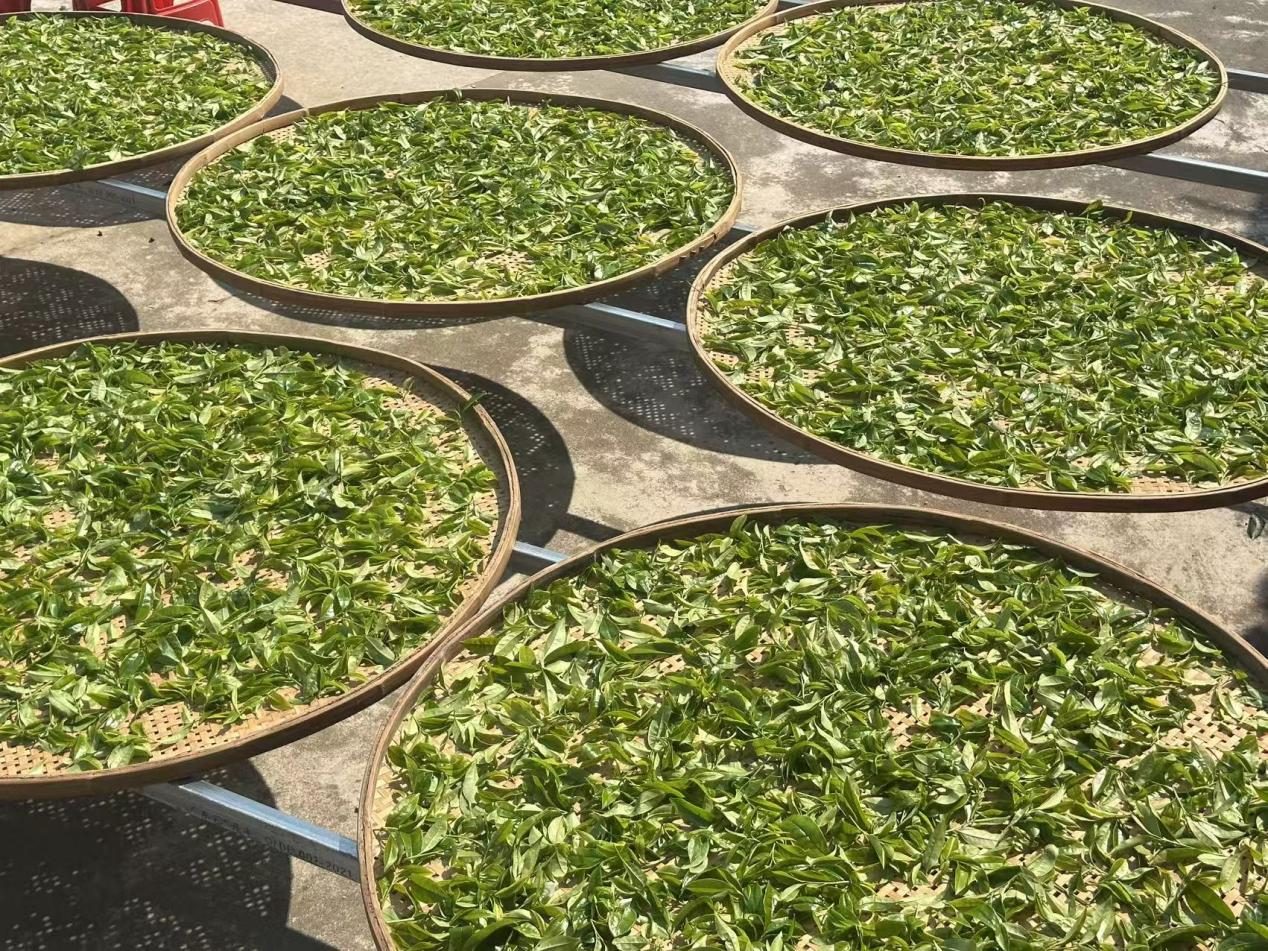
Fresh leaves are spread thinly so they lose some moisture and turn soft. They are then moved indoors to cool, which lets the remaining moisture spread evenly through the leaf before the next stage.
Yao qing and oxidation
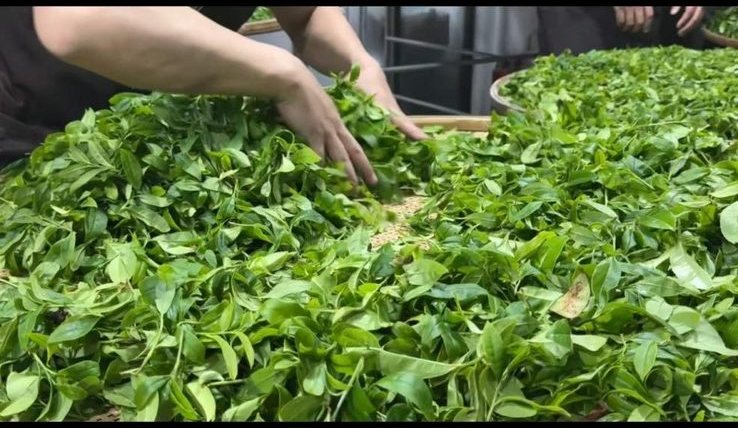
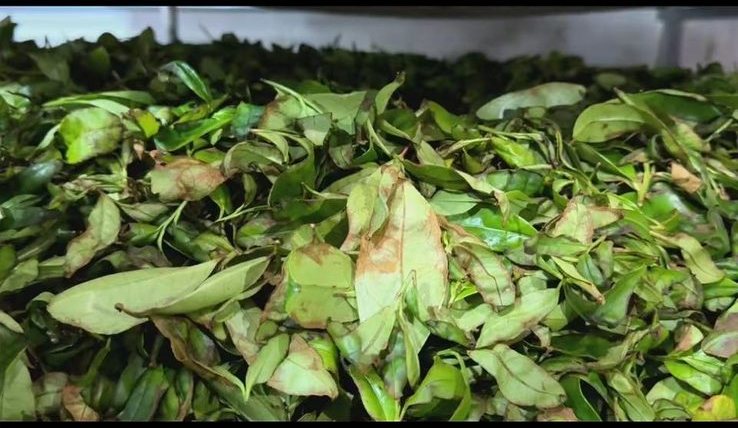
During yao qing the leaves are tossed and rested in repeated cycles. The tossing bruises the leaf edges while the centre stays greener. This controlled oxidation builds the floral and fruit aroma and gives the red-edged leaf that oolong is known for.
Fixation and rolling
High heat stops further enzyme-driven oxidation. The softened leaves are then rolled, a step called rou nian, which twists them into the long strips you see in finished Dan Cong and helps the leaf release flavor when brewed.
Drying and roasting
Drying fixes the tea’s shape and stops it spoiling. Further roasting can reduce green notes, deepen sweetness and add nut, wood or caramel tones. Some producers roast over charcoal, others use electric roasters.
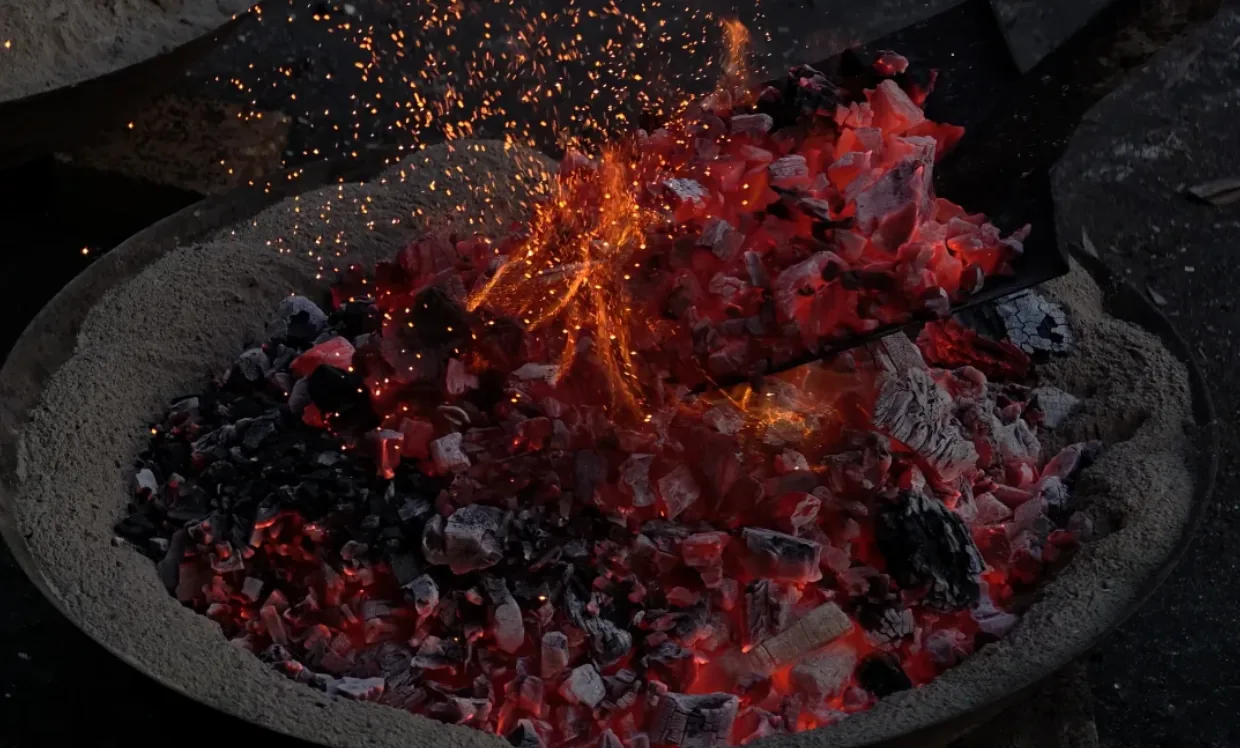
Charcoal roasting is a method, not proof of better leaf or more careful work. A clumsy charcoal roast can taste smoky and flat, while a careful electric roast can keep the aroma clean.
How to choose Phoenix Dan Cong tea
A famous mountain name or an old-bush claim often adds to the price. Before paying for either, check the plainer details below. They tell you more about the cup, and a good seller should be able to answer most of them:
- Origin: Chaozhou is the broad reference. Wudong, Fenghuang, a village or a garden should be extra detail on top.
- Aroma type or plant line: Look for both pinyin and English so you can compare like with like.
- Harvest: Season and year matter. Spring tea is not the only good choice; winter leaf can give a distinct aroma.
- Roast: Ask whether it is light, medium or heavy, and when the last roast happened.
- Batch notes: Useful notes describe the dry leaf, the brewed tea, the texture, the finish and how it changes across infusions.
- Storage: The tea should be kept away from moisture, light, heat and strong smells.
- Sample size: For an expensive tea, buy enough for two or three sessions before committing to more.
As an example, the product page for our Wudong Dongfanghong lists its 2026 harvest, Wudong origin, approximate elevation, stated bush age, aroma profile and both gongfu and Western brewing guides, so you can check each point before you buy.
How to brew Phoenix Dan Cong without bitterness
Dan Cong turns bitter or drying when too much leaf, long contact time and slow pouring come together. Start with one repeatable recipe, taste the result, and change only one thing at a time.
| Method | Vessel | Leaf | Water | Steep time |
|---|---|---|---|---|
| Gongfu (gaiwan) | 100–120 ml porcelain gaiwan | 5–7 g per 100 ml | 95–100°C | 5–10 s, then longer each round |
| Gongfu (Chaozhou pot) | Small clay teapot, about 100 ml | 5–7 g, up to 8 g with fast pours | 95–100°C | 5–10 s, decant fully |
| Mug or infuser | 250 ml mug with basket | About 3 g | 90–95°C | 2 min, then adjust |
Gongfu brewing
Warm the vessel first. A quick rinse is optional, more useful for a tightly rolled or heavily roasted tea than for a light one. Pour steadily and empty the vessel completely after each infusion so the leaf does not keep steeping.
If the first cup feels sharp, shorten the next steep before lowering the water temperature. If the aroma is strong but the tea feels thin, add a few seconds rather than more leaf.
A 100 ml Chaozhou gaiwan is a comfortable size for this recipe. For ratios and water temperature across other teas, see our tea brewing guide.
The Chaozhou way
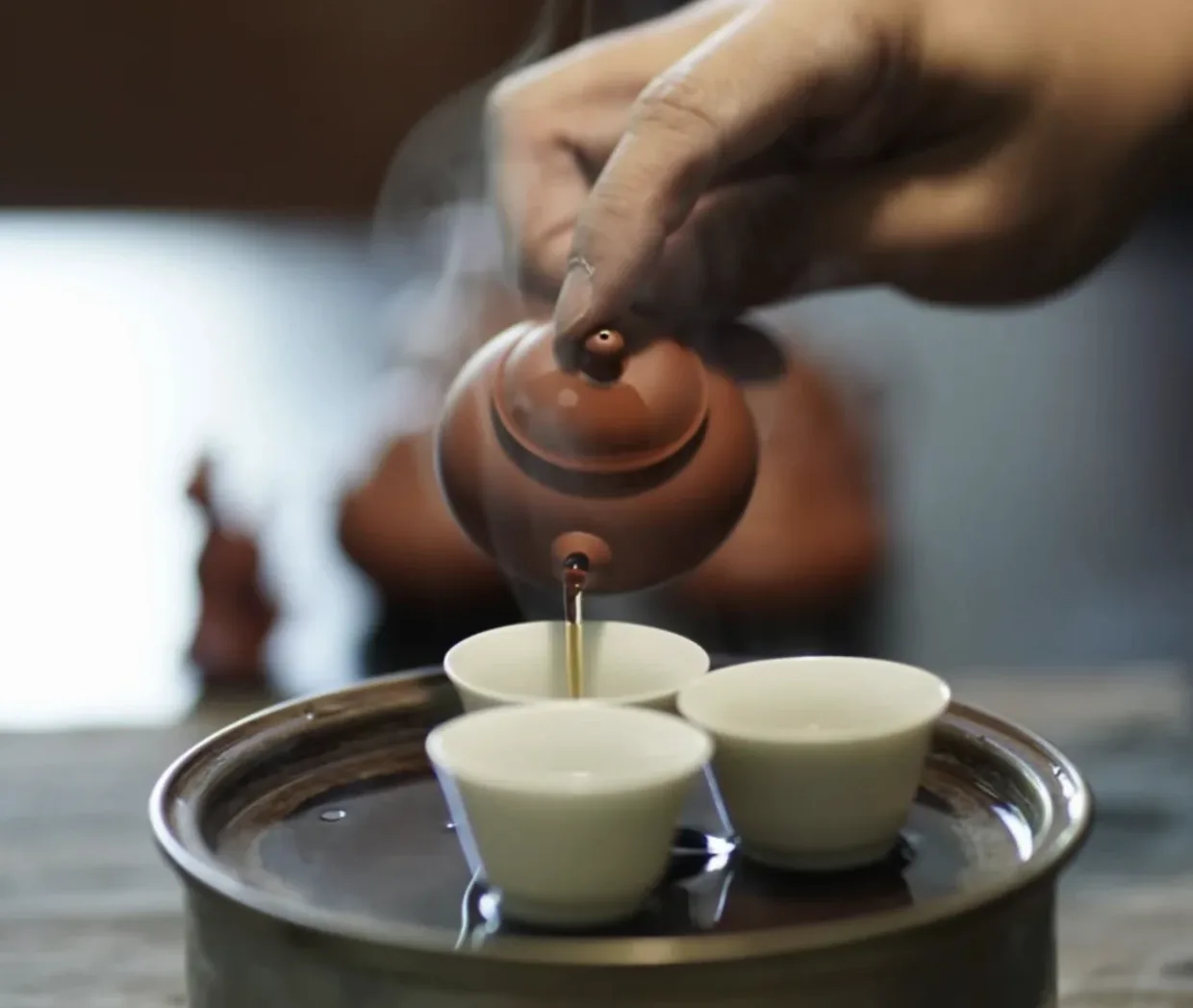
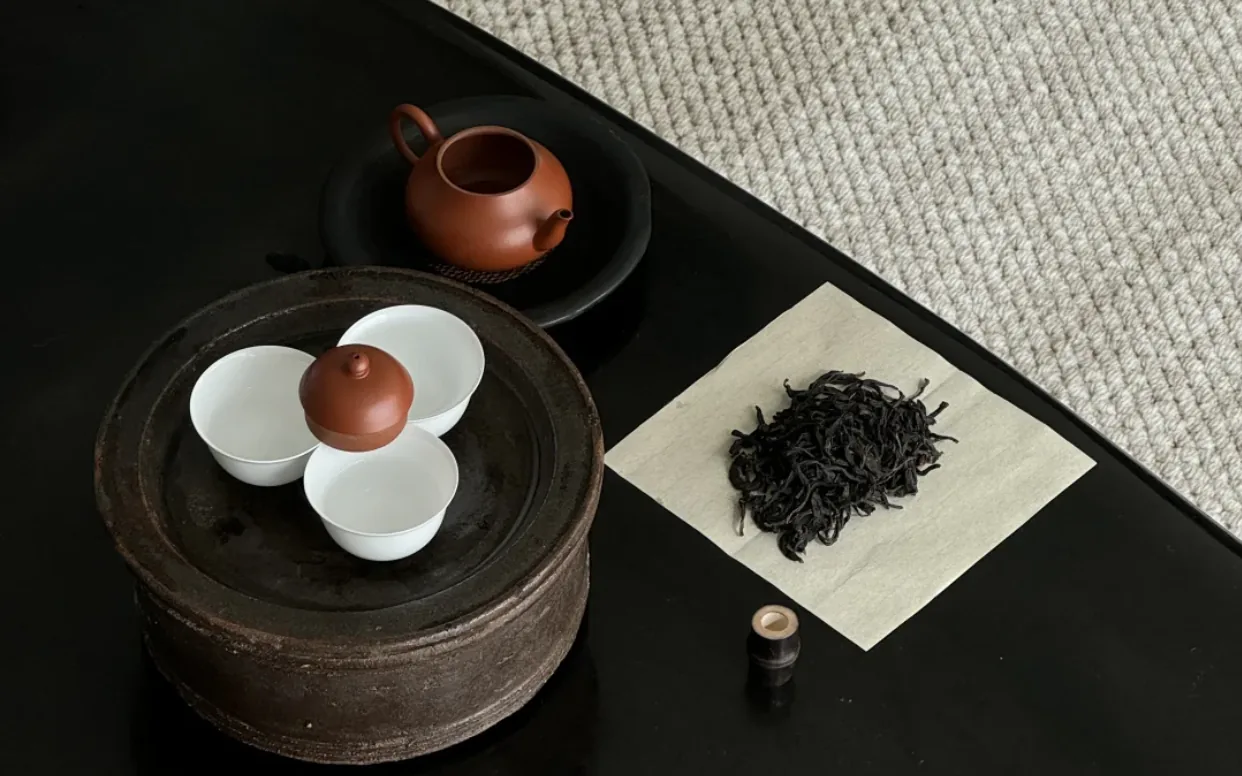
Chaozhou gongfu tea, the home style of Dan Cong, uses a small clay pot and a set of three small cups. Hosts often pour straight from the pot, moving across the cups so each one gets an even strength, rather than using a separate pitcher.
This style packs the pot generously and pours fast. If you try it, keep each steep very short. A small Yixing clay teapot works the same way, though a white gaiwan makes it easier to watch the liquor colour.
Mug or basket-infuser method
Use about 3 g of leaf in 250 ml of water at 90–95°C. Start at two minutes, lift the infuser out completely and adjust the next cup. This lower ratio needs far more time than gongfu brewing; a 15-second steep will taste weak unless you use much more leaf.
Reading the wet leaf after brewing
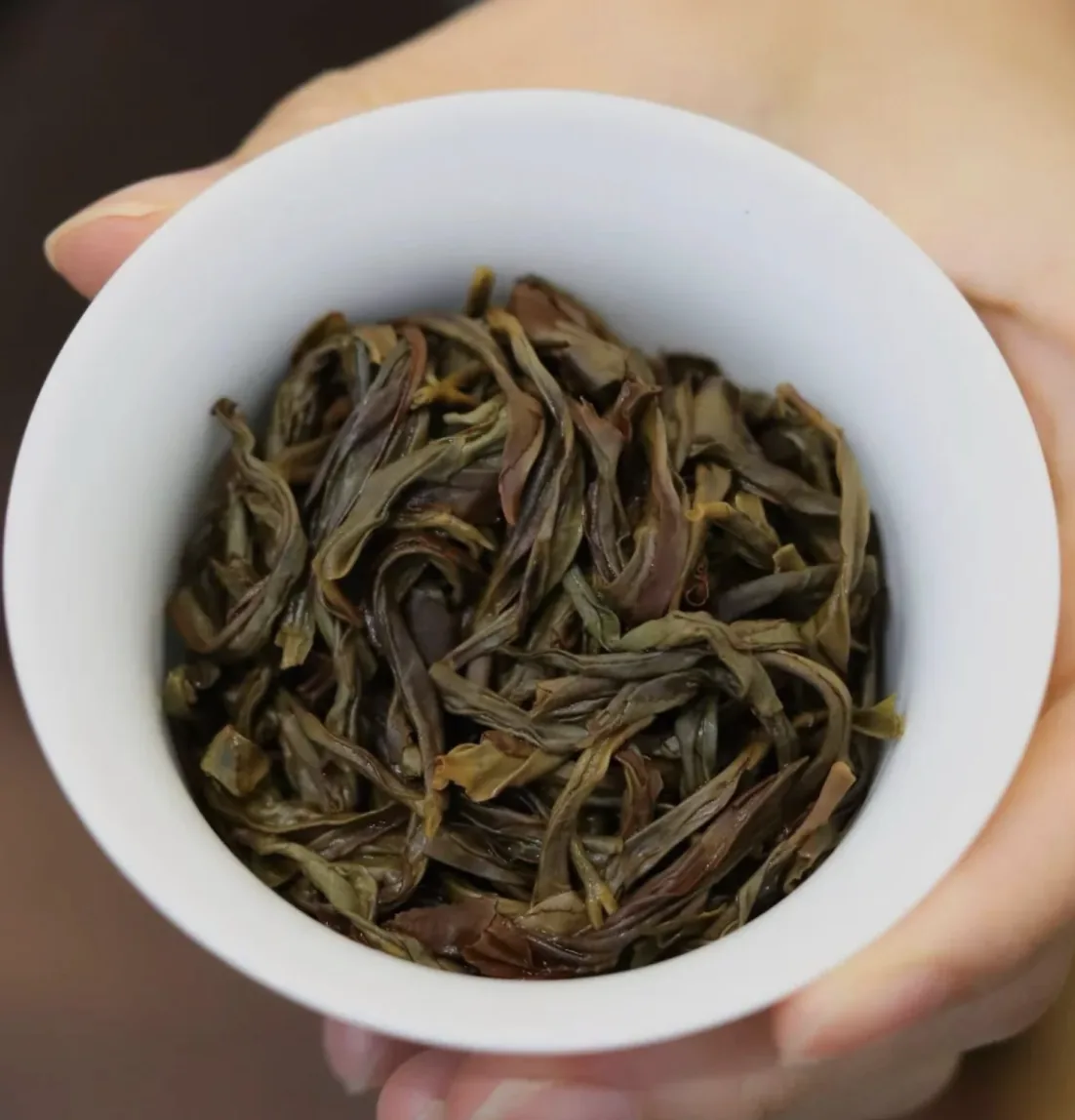
After a session, tip the spent leaves into a bowl. Well-made Dan Cong opens into fairly whole, supple leaves. Many show reddish-brown edges around a greener centre, the trace left by yao qing and partial oxidation.
A heavier roast gives darker, browner leaves, which is normal. Lots of broken fragments or leaves that feel stiff and charred can point to rough handling or an over-hard roast. The wet leaf will not tell you everything, but it is a quick check on what the label claims.
How to store Phoenix Dan Cong
Keep the tea sealed, dry, cool, dark and away from strong smells. A foil-lined bag inside a clean tin works well for daily use. Do not assume every roasted Dan Cong improves with age; roast level, moisture, packaging and storage all change how it develops.
The Chaozhou standard does not set one universal 36-month shelf life. It says the producer should set shelf life for the actual product under suitable packaging and storage. Follow the label, and check aroma and condition after opening.
Phoenix Dan Cong tea questions
Is Phoenix Dan Cong a flavored tea?
Traditional unflavored Phoenix Dan Cong is tea only. Its floral, fruity and honey-like notes come from the plant, the growing environment and the processing. Check the ingredient list and seller description, because the name alone cannot vouch for every product on the market.
What does Dan Cong mean?
It is usually translated as “single bush.” Historically it meant picking and processing outstanding trees separately. Modern Phoenix Dan Cong may also be made from groups of trees of the same cultivar or lineage.
Is Ya Shi Xiang the same as milk oolong?
No. Ya Shi Xiang is a Phoenix Dan Cong. “Milk Oolong” more often refers to Taiwan’s Jin Xuan cultivar or to flavored oolong. Some Ya Shi Xiang batches feel creamy or almond-like, but those are tasting notes, not its tea category.
What is the best Dan Cong for beginners?
Mi Lan Xiang is the usual first choice. Its honey-and-fruit profile and the medium roast it is often sold at make it forgiving to brew. Move to Ya Shi Xiang once you want a brighter, more floral cup.
Does Phoenix Dan Cong tea have caffeine?
Yes. Like all tea from the Camellia sinensis plant, it contains caffeine, and roast level is not a reliable way to predict how much ends up in the cup. Leaf amount, water temperature and steep time all affect extraction. If you are sensitive, use less leaf, drink it earlier in the day and judge your own response.
What water is best for brewing Dan Cong?
Use fresh water without chlorine or strong smells. Filtered water with moderate minerals is a practical start. Very hard water can dull the aroma, while highly purified water can make the cup taste flat.
Sources and further reading
- Chaozhou standard DB4451/T 1-2021: Product of Geographical Indication — Fenghuang Dancong Tea
- Chaozhou Phoenix Dan Cong tea naming rules T/CZTTBZ 002-2021
- Understanding the aroma diversity of Dancong tea
- Characterization of key odorants in Lingtou Dancong oolong tea at different altitudes
- Identification and similarity analysis of aroma substances in major Fenghuang Dancong types