
Learn about its history, traditional production, flavor, brewing methods and culinary uses.
What Is Xinhui Chenpi?
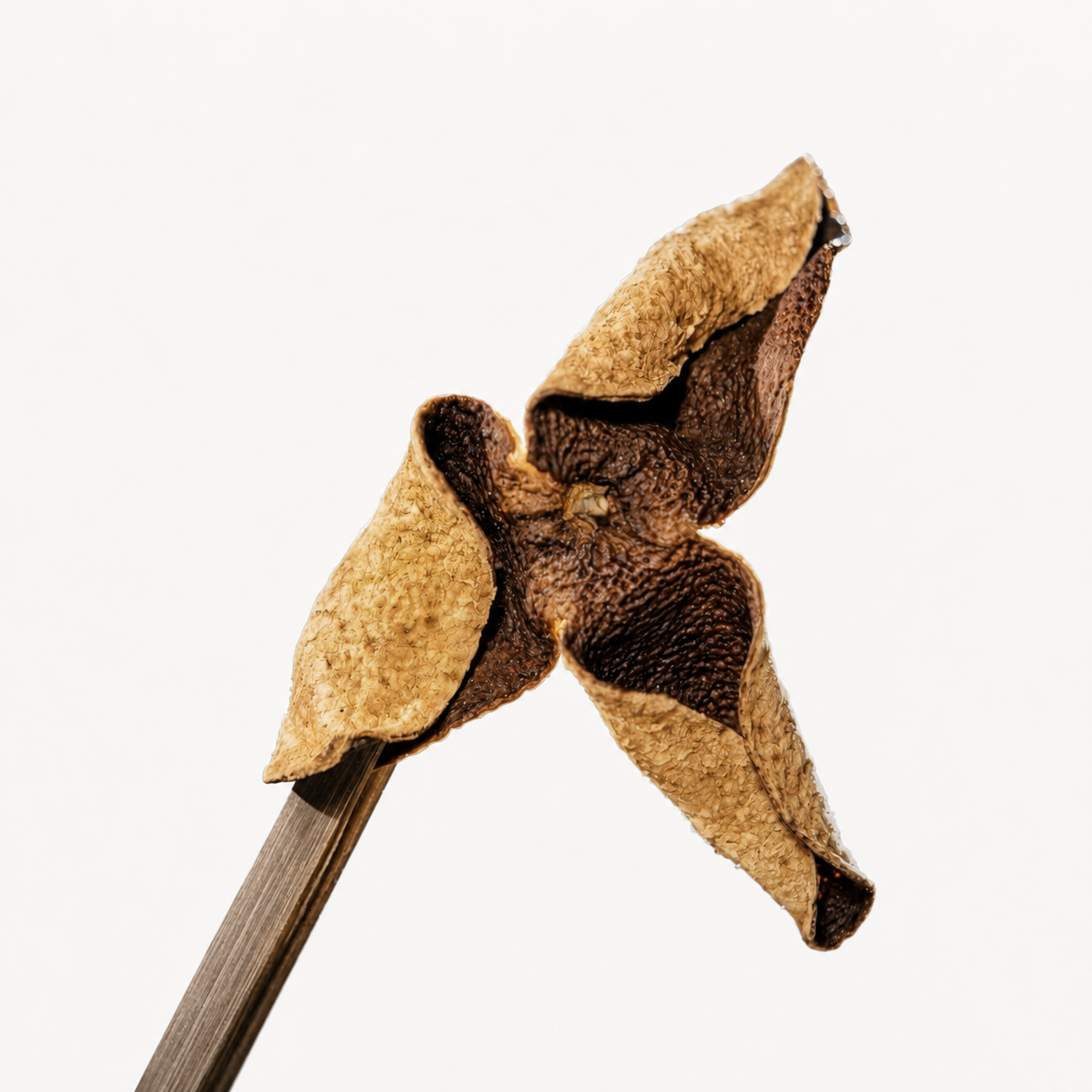
Chenpi is dried and naturally aged citrus peel. Among the different varieties produced in China, Xinhui Chenpi is especially valued for its distinctive fragrance, rich flavor and ability to develop greater complexity over time.
Xinhui, located in Guangdong Province, has a warm and humid subtropical climate that is well suited to growing local citrus. The combination of local soil, climate, fruit varieties and traditional processing methods gives Xinhui Chenpi its recognizable character.
Fresh peel usually has a strong and slightly sharp citrus aroma. As it ages, the fragrance becomes deeper and more balanced, while the taste gradually becomes smoother and less bitter.
The History of Xinhui Chenpi
The production and use of Chenpi have a long history in southern China. For generations, families in Xinhui have dried and stored citrus peel for tea, cooking and household use.
Chenpi is also closely connected with Cantonese food culture. It is commonly added to soups, desserts, steamed dishes and slow-cooked recipes to create a refreshing aroma and reduce the heavy taste of rich ingredients.
Over time, Xinhui Chenpi became more than a cooking ingredient. Well-aged peel is now appreciated by tea drinkers and collectors because its aroma and flavor can continue to change under suitable storage conditions.
Meijiang Village is one of the well-known Chenpi-producing areas in Xinhui. Chenpi from this region is appreciated for its balanced citrus fragrance, mellow character and suitability for long-term aging.
How Xinhui Chenpi Is Made
Producing quality aged Xinhui Chenpi requires careful selection, traditional processing and patient storage.
1. Selecting the Citrus Fruit
The process begins with locally grown Xinhui citrus. Mature fruits are selected according to their condition, aroma and peel quality.
2. Removing the Peel
The peel is carefully opened into sections while keeping its traditional shape. Skilled peeling helps prevent unnecessary damage and supports even drying.
3. Natural Drying
After peeling, the fresh citrus peel is placed in a clean and ventilated environment to dry. Sunlight and natural airflow gradually remove moisture while preserving the peel’s aromatic oils.
4. Turning and Re-Drying
During the early storage period, the peel may be taken out and exposed to air or sunlight again when necessary. This process helps control moisture and supports stable aging.
5. Natural Aging
The dried peel is stored in a dry, ventilated and odor-free environment. As the years pass, its sharp citrus notes gradually become warmer, sweeter and more complex.
This product was harvested in 2020, giving it several years of natural aging and a noticeably smoother profile than newly dried citrus peel.
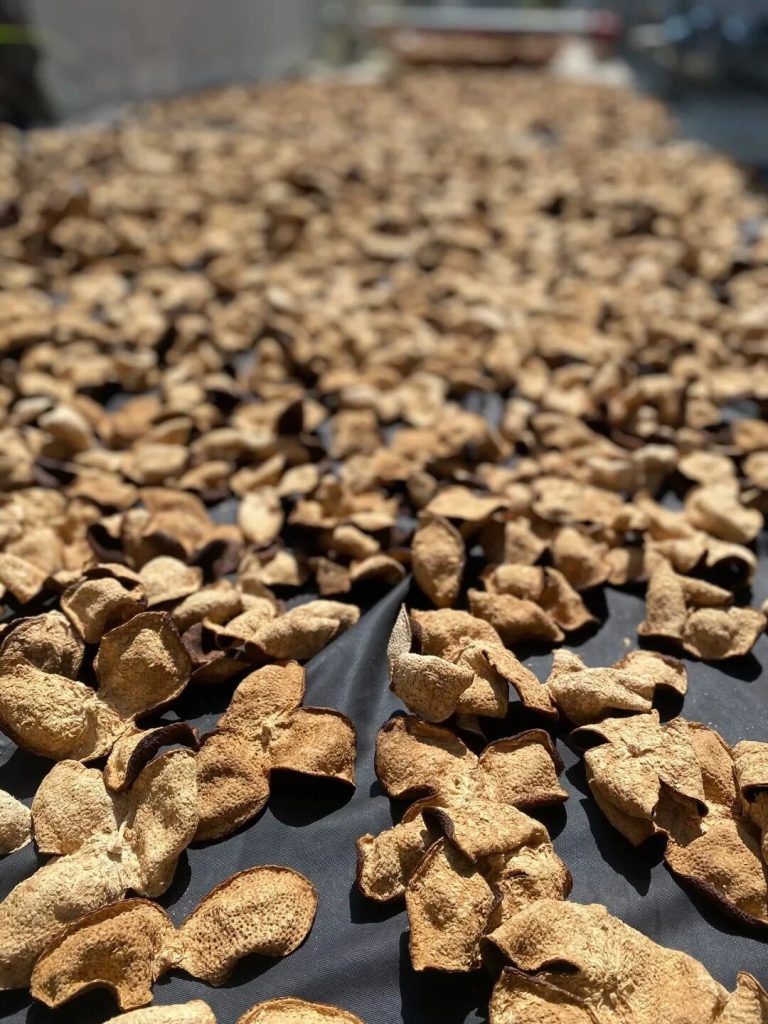
Aroma and Flavor
The 2020 Xinhui Meijiang Chenpi has a clean citrus fragrance with warm, sweet and slightly woody notes.
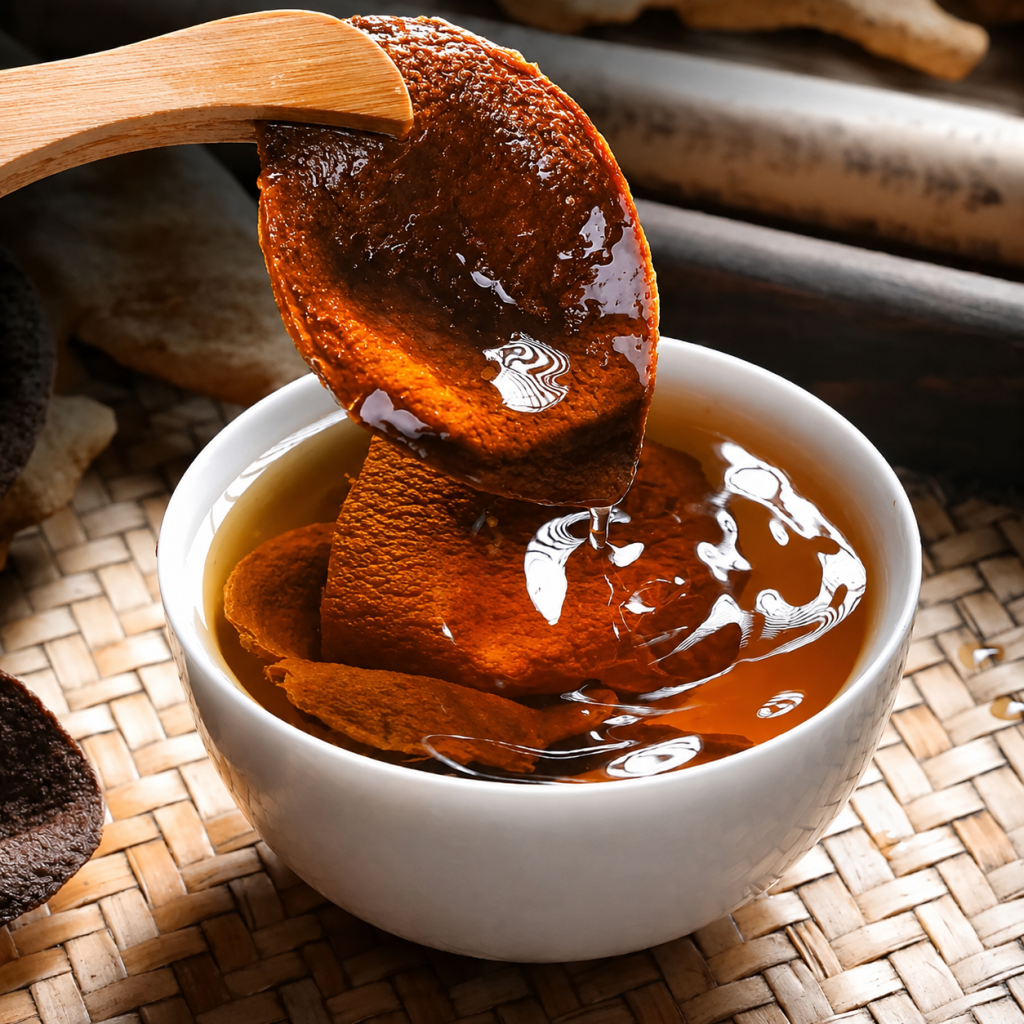
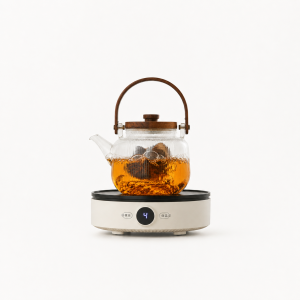
When brewed, it produces a golden-colored infusion with a smooth mouthfeel and a gentle, lingering finish. The flavor is refreshing without being overly sharp, making it easy to enjoy on its own or together with other teas.
Flavor Profile
- Warm and natural citrus aroma
- Mellow sweetness
- Light aged and woody notes
- Smooth texture
- Clean, lasting finish
How to Brew Xinhui Chenpi
Chenpi can be brewed by itself or combined with tea.
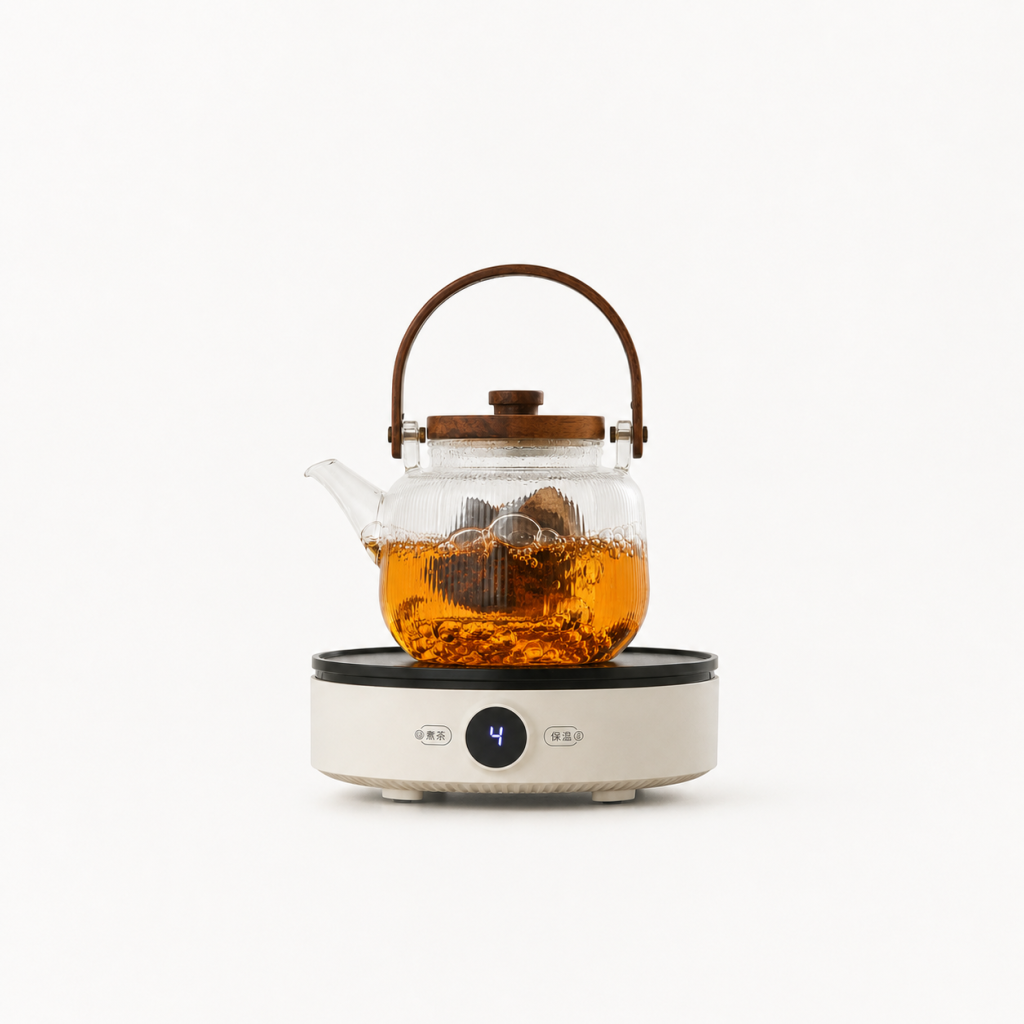
Simple Chenpi Tea
- Take approximately 2–3 grams of Chenpi.
- Rinse it briefly with warm water.
- Place it in a teapot or cup.
- Add hot water at approximately 90–100°C.
- Steep for 3–5 minutes.
- Refill with hot water for additional infusions.
The amount of Chenpi and steeping time can be adjusted according to personal taste.
Chenpi with Pu-erh Tea
Xinhui Chenpi is often brewed with ripe Pu-erh tea. The citrus fragrance of Chenpi complements the deep and earthy character of Pu-erh, creating a smooth and balanced drink.
A suggested ratio is:
- 2 grams of Chenpi
- 5–7 grams of Pu-erh tea
- 150–200 ml of hot water
Chenpi with White Tea
Chenpi can also be paired with aged white tea. This combination offers a softer taste with gentle sweetness, floral notes and a fresh citrus finish.
Culinary Uses of Chenpi
In addition to tea brewing, dried Xinhui tangerine peel can be used in many traditional recipes.
Soups and Broths
Add a small piece of rinsed Chenpi to chicken soup, duck soup, beef broth or Cantonese slow-cooked soup. It adds a light citrus fragrance and helps balance rich flavors.
Steamed Meat and Fish
Finely sliced Chenpi can be added to steamed fish, pork ribs or meat patties. Its aroma works especially well with savory sauces and fermented black beans.
Congee and Rice Dishes
A small amount of Chenpi may be added to congee or slow-cooked rice dishes for an extra layer of fragrance.
Desserts
Chenpi is often used in red bean soup, mung bean soup and other Chinese desserts. It provides a refreshing citrus note that balances sweetness.
Because aged Chenpi has a concentrated aroma, only a small amount is usually needed.
Storage Instructions
Proper storage helps maintain the quality of Chenpi and allows its aroma to continue developing.
Store it in a cool, dry and well-ventilated place, away from direct sunlight, moisture and strong odors. Avoid placing it near perfume, spices, smoke or cleaning products, as dried peel can easily absorb surrounding smells.
Check the Chenpi occasionally, especially during humid weather. Always use clean and dry utensils when removing it from the container.
An Elegant Gift for Tea Lovers
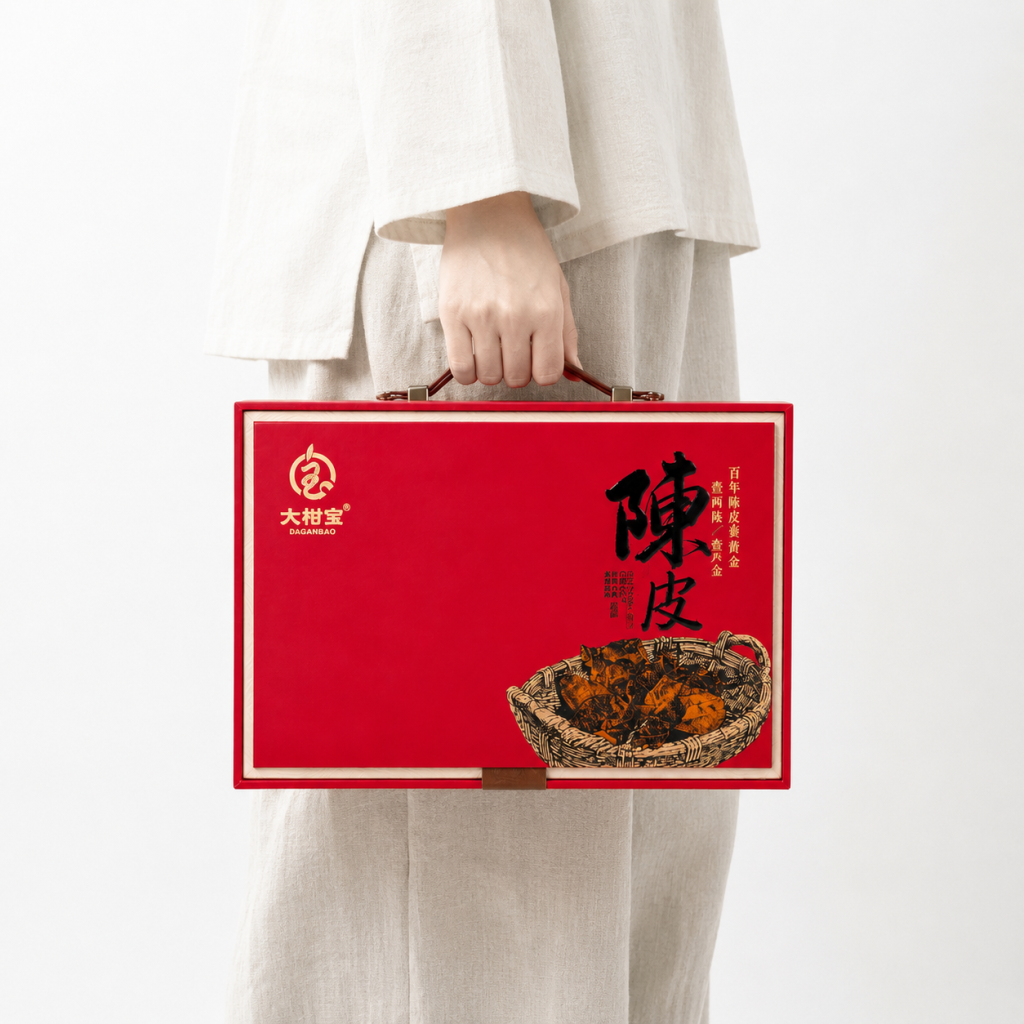
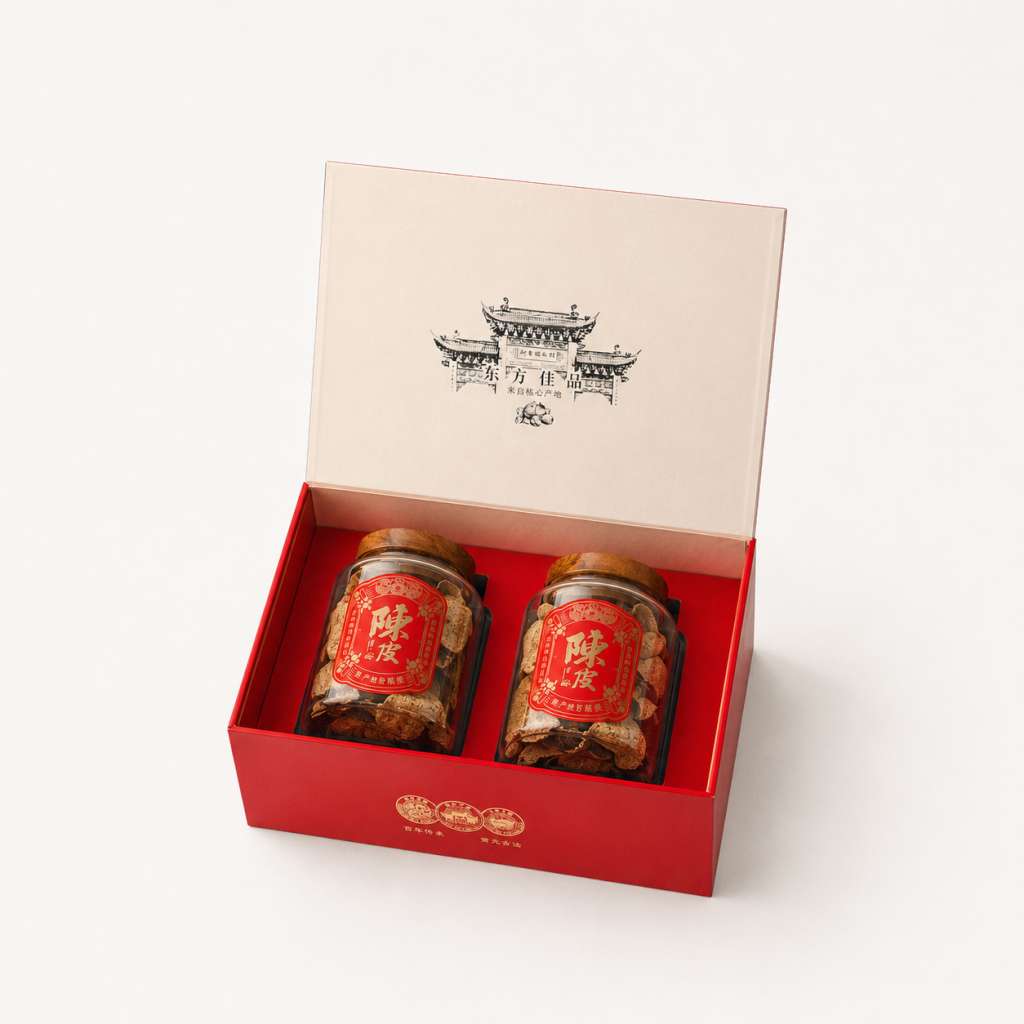
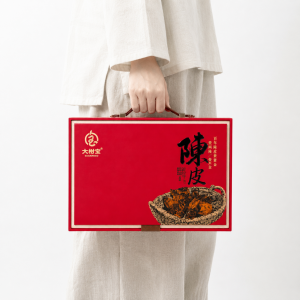
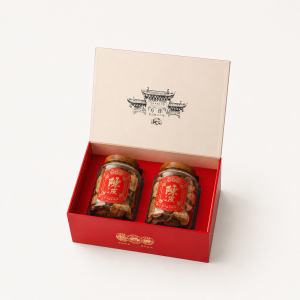
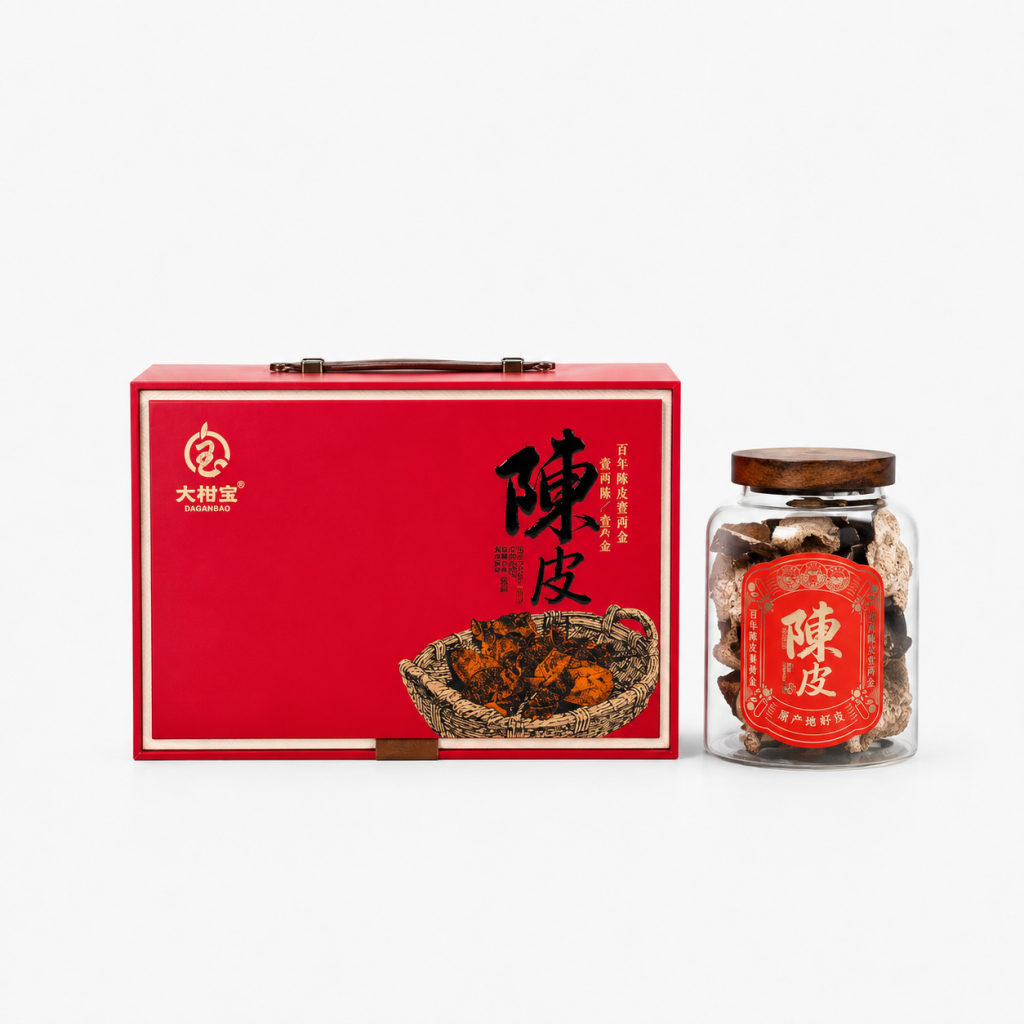
This 2020 Xinhui Meijiang Aged Chenpi Gift Box contains two 80g containers, with a total net weight of 160g.
The traditional red presentation box makes it suitable for:
- Chinese New Year gifts
- Business gifts
- Family celebrations
- Tea enthusiasts
- Personal collections
- Traditional food lovers
Product Information
Product Name: 2020 Xinhui Meijiang Aged Chenpi Gift Box
Category: Aged dried tangerine peel
Origin: Meijiang Village, Xinhui, Guangdong, China
Harvest Year: 2020
Net Weight: 160g
Packaging: Two 80g containers in a premium gift box
Taste: Mellow, naturally sweet and smooth
Aroma: Warm citrus fragrance with light aged notes
Recommended Uses: Tea brewing, soups, desserts and traditional cooking
Frequently Asked Questions
Can this Chenpi be brewed more than once?
Yes. Quality aged Chenpi can usually be infused several times. The aroma and taste will gradually become lighter with each infusion.
Should Chenpi be rinsed before brewing?
A quick rinse with warm water is recommended before brewing or cooking.
Can I drink Chenpi tea every day?
Chenpi tea is commonly enjoyed as a daily beverage. The brewing strength and serving amount can be adjusted according to personal preference.
Does Chenpi continue to age after purchase?
It may continue to develop when stored under suitable dry, clean and ventilated conditions. Storage quality is important for maintaining its aroma and condition.
Is this product suitable as a gift?
Yes. The two-container presentation and elegant red gift box make it suitable for both personal and business gifting.
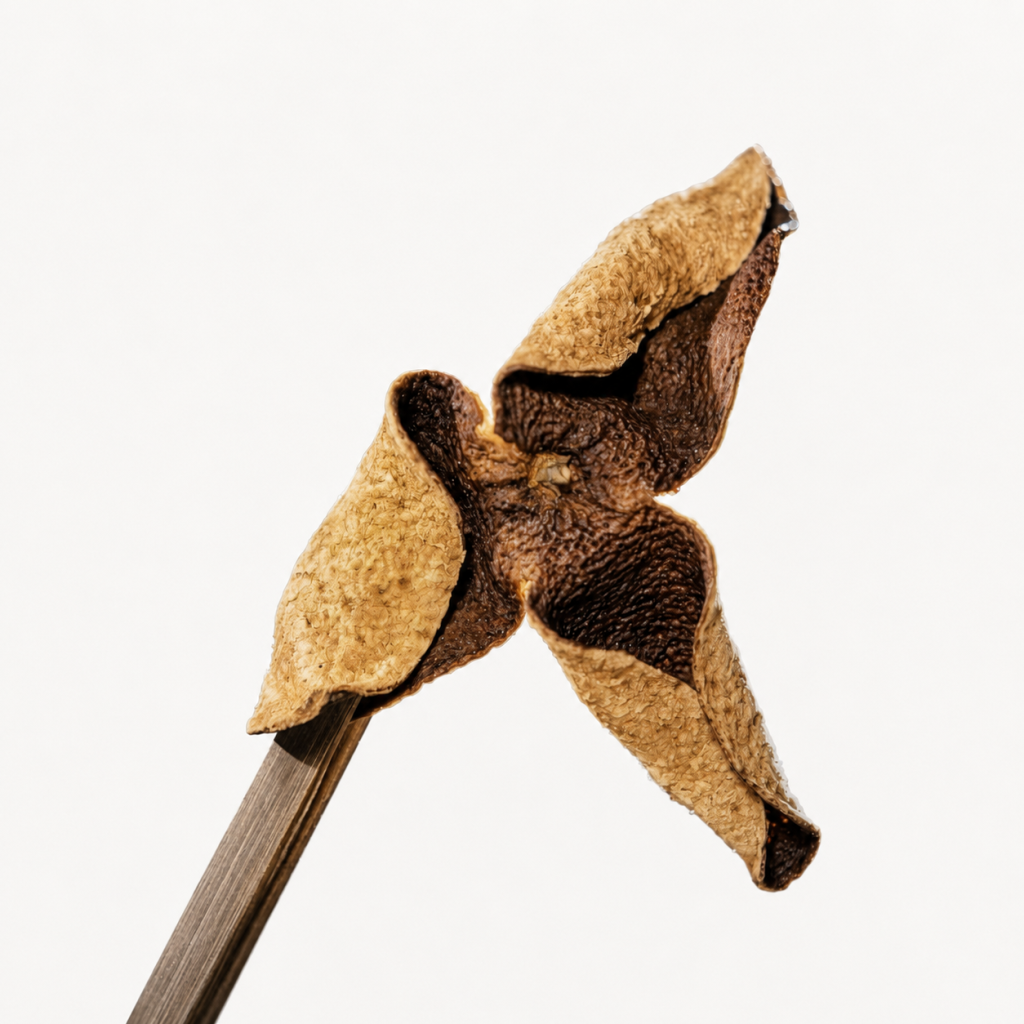
2020 Xinhui Chenpi (Aged Citrus Peel) Gift Box – Meijiang, 160 g
Core-origin Xinhui chenpi from Meijiang, harvested in 2020 and packed as two 80 g portions, with a rich citrus aroma and a mellow, gently sweet finish.