
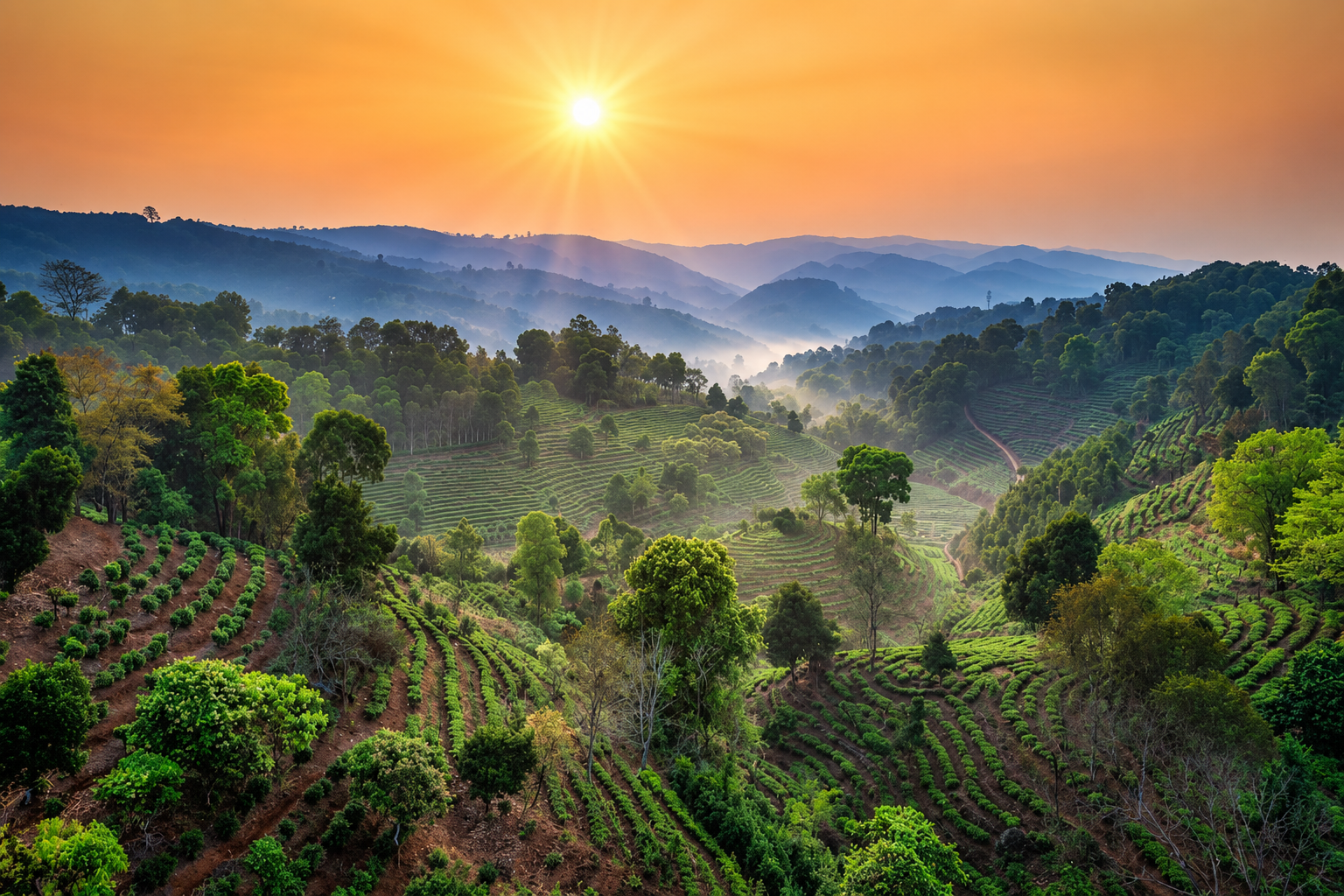
Explore Yunnan’s most famous Pu-erh tea regions, from Yiwu and Bulang to Jingmai and Bingdao, and discover how mountain terroir shapes flavor.
When people talk about exceptional Pu-erh tea, they are often talking about mountains. In Yunnan, tea is not simply identified by a factory or a harvest year. The village, altitude, forest environment, soil, rainfall, and local processing style can all influence the final cup. This is why teas from Yiwu, Bulang, Jingmai, and Bingdao can taste completely different—even when they are made from the same broad tea species.
Yunnan’s tea mountains are the birthplace of some of the world’s most sought-after raw Pu-erh teas. They are also living cultural landscapes where ancient forests, traditional villages, and tea-growing communities have developed together for centuries.
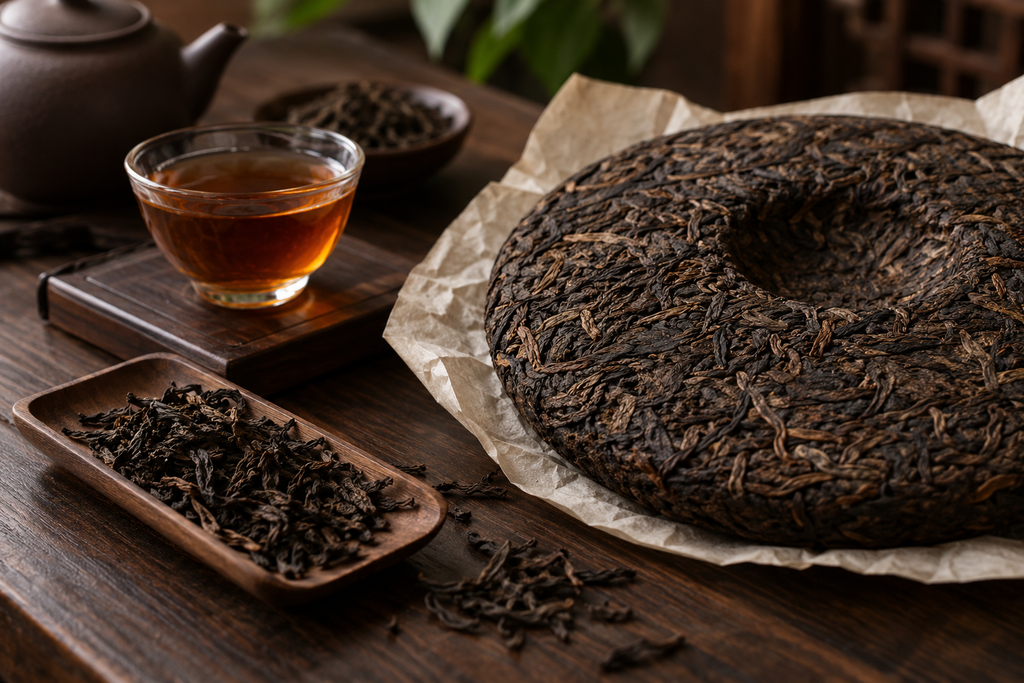
A Quick Overview of Yunnan’s Main Pu-erh Regions
| Region | Famous Tea Mountains | Common Tasting Character |
| Xishuangbanna | Yiwu, Yibang, Nannuo, Bulang, Bada | Fragrant, powerful, complex, long-lasting |
| Pu’er City | Jingmai, Jinggu, Lancang | Floral, balanced, smooth, forest-like |
| Lincang | Bingdao, Xigui, Mengku | Aromatic, sweet, mineral, energetic |
1. Xishuangbanna: The Historic Heart of Pu-erh
Located in southern Yunnan near the borders of Myanmar and Laos, Xishuangbanna is one of the most important regions in Pu-erh history. The traditional “Six Ancient Tea Mountains” are located in the eastern part of Xishuangbanna: Yiwu, Yibang, Manzhuan, Mangzhi, Gedeng, and Youle.
Yiwu Mountain
Yiwu is often associated with elegance and fragrance. Teas from Yiwu are commonly described as soft, floral, honeyed, and smooth, with a gentle bitterness that quickly transforms into sweetness. The aftertaste can remain in the mouth for a long time, making Yiwu a favorite among drinkers who enjoy refined and graceful raw Pu-erh.
Many famous villages, including Mahei, Gua Feng Zhai, and Wan Gong, are connected with the greater Yiwu region. However, the character of each village can be noticeably different.
Yibang and Manzhuan
Yibang and Manzhuan teas are often appreciated for their aromatic complexity and refined structure. They may show notes of wildflowers, herbs, dried fruit, and soft spices. Compared with some of the heavier teas from Bulang, these teas are often more delicate and layered, making them suitable for slow drinking and long-term aging.
Nannuo Mountain
Nannuo Mountain is located west of the Lancang River and is known for teas with floral fragrance, lively bitterness, and a clean finish. It is also culturally important because many traditional tea-growing communities live in the area. Some Nannuo teas are known for their orchid-like aroma, bright energy, and balanced relationship between bitterness and sweetness.
Bulang Mountain and Lao Banzhang
Bulang Mountain is famous for powerful and highly structured Pu-erh. The Lao Banzhang village, located in the Bulang area, is one of the most prestigious names in the modern Pu-erh market. Teas from this area are often described as bold, bitter, thick, and highly persistent, with strong returning sweetness and a powerful mouthfeel.
Lao Man’e, another well-known Bulang village, is also associated with intense bitterness and impressive aging potential. These teas are usually better suited to drinkers who enjoy strength, depth, and a noticeable “tea energy.”
2. Pu’er City: Forest, Culture, and Jingmai Mountain
Pu’er City lies between Xishuangbanna and Lincang. It is both a major tea-producing area and an important cultural center for Yunnan tea.
Jingmai Mountain
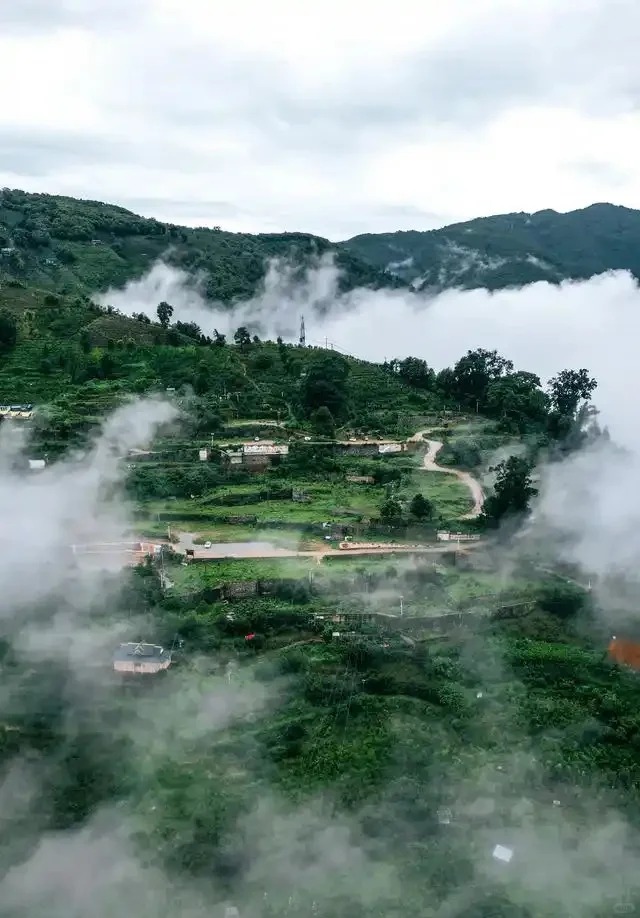
Jingmai Mountain is one of the most distinctive tea regions in China. In 2023, the Cultural Landscape of Old Tea Forests of the Jingmai Mountain in Pu’er was inscribed on the UNESCO World Heritage List. The landscape includes ancient tea forests, traditional villages, surrounding woodland, and tea-growing systems maintained by Blang and Dai communities. UNESCO describes the region as a traditional understorey cultivation system developed over more than a thousand years.
Jingmai tea is often associated with floral fragrance, forest sweetness, light bitterness, and an elegant mineral character. Many drinkers describe it as having an orchid-like aroma, although the exact expression depends on the village, season, and processing method.
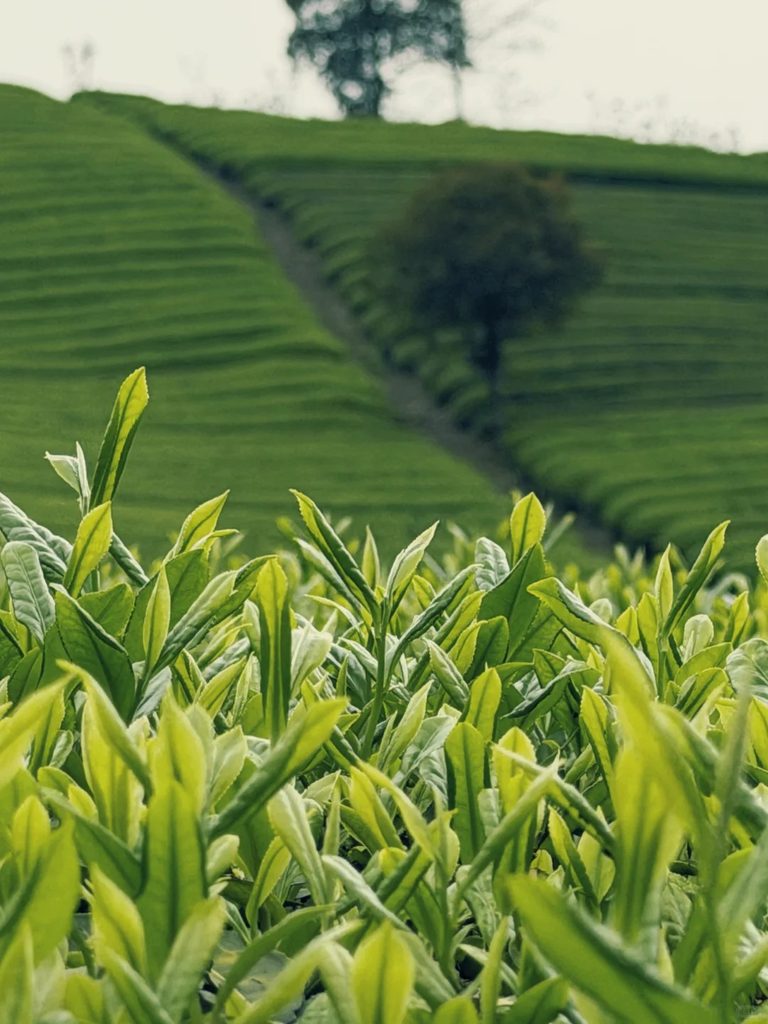
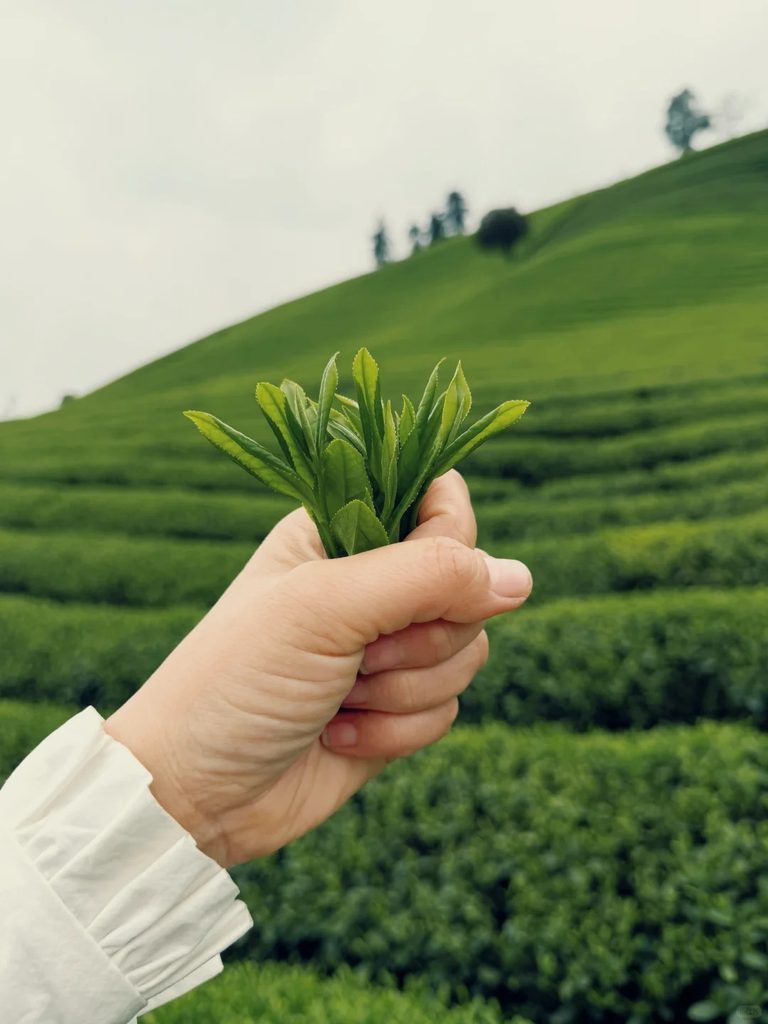
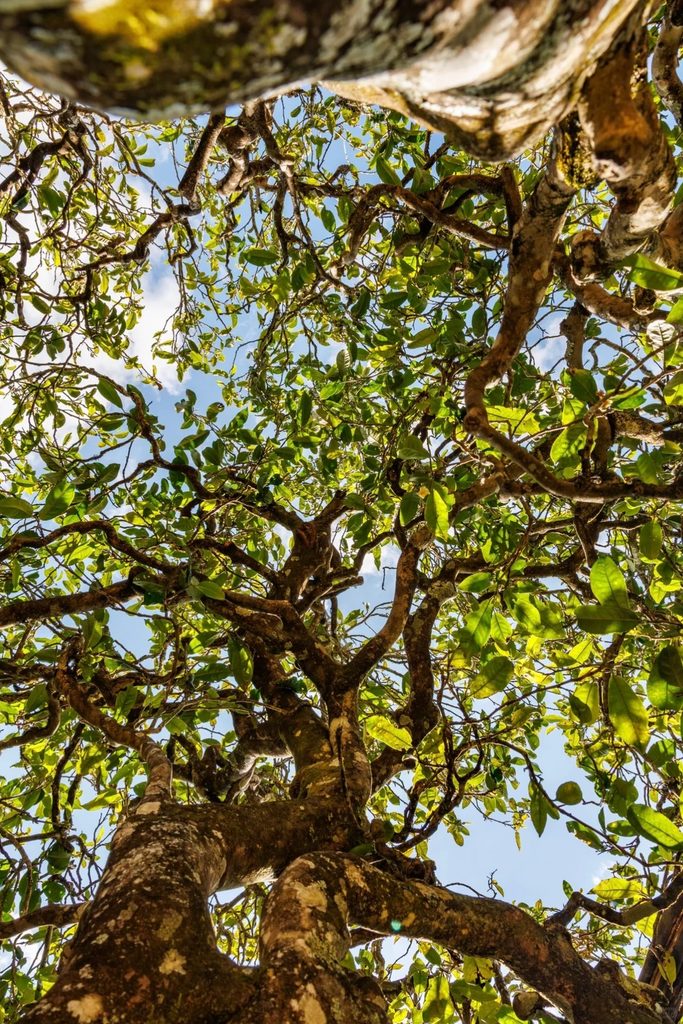
What makes Jingmai especially special is the way tea trees grow within a wider forest ecosystem. Instead of looking like a modern monoculture plantation, many areas resemble a living forest garden, with tea trees growing beneath taller native vegetation.
Why Jingmai Tea Feels Different
The forest environment creates shade, humidity, and a more diverse ecological system. These conditions can contribute to a tea with a softer texture, complex aroma, and a lingering aftertaste. Jingmai is also a good example of why Pu-erh is more than a beverage. It represents a relationship between tea, land, traditional knowledge, and community life.
_来自小红书网页版-576x1024.jpg)
3. Lincang: Aroma, Sweetness, and Mineral Character
Lincang is located in western Yunnan and is home to many famous tea areas, including Mengku, Bingdao, and Xigui.
Compared with some teas from Bulang, Lincang teas are often recognized for their fragrance, sweetness, and bright energy.
Bingdao
Bingdao, also written as “Bing Island” in some English translations, is one of the most famous names in Lincang tea.
Authentic Bingdao teas are often described as sweet, aromatic, smooth, and highly persistent. They may display notes of flowers, sugarcane, stone fruit, and mountain herbs.
Because Bingdao tea is highly sought after, the name is sometimes used loosely in the marketplace. Buyers should pay close attention to the exact village, harvest year, producer, and sourcing information.
Xigui
Xigui tea is often associated with strong fragrance, vibrant mouthfeel, and a refreshing mineral quality.
It can feel energetic and expressive in the mouth, while still developing sweetness after swallowing. Some teas from Xigui are powerful when young but become rounder and more balanced with age.
What Makes One Tea Mountain Taste Different from Another?
The flavor of Pu-erh comes from several factors working together:
- Altitude: Higher elevations can produce slower-growing leaves with complex aromas.
- Climate: Rainfall, humidity, sunshine, and seasonal temperature changes influence growth.
- Soil: Mineral composition and drainage affect the health and character of tea trees.
- Forest environment: Shade trees and biodiversity create a different growing system from open plantations.
- Tree age: Old trees may produce deeper texture and more complex aftertaste, although age alone does not guarantee quality.
- Cultivar: Different tea plant varieties can create distinct aromas and mouthfeel.
- Processing: Withering, wok-killing, rolling, and sun-drying all influence the final tea.
- Storage: Raw Pu-erh changes over time according to temperature, humidity, ventilation, and cleanliness.
For raw Pu-erh, these regional differences are usually easier to notice. For ripe Pu-erh, the fermentation process can have a stronger influence because teas from different origins may be blended and transformed during production.

Which Pu-erh Region Should You Try First?
Our curated six-tea tasting set offers an easy way to explore the diversity of Yunnan Pu-erh in one collection.
The set includes three raw Pu-erh teas and three ripe Pu-erh teas, each individually labelled and selected for its distinctive character:
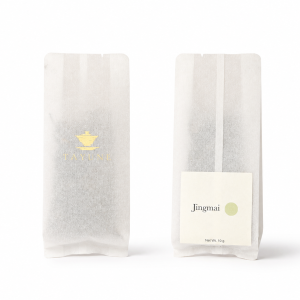
- Jingmai — 2012 Jingmai Mountain: orchid fragrance, clear sweetness, fine texture, and a soft, lingering finish.
- Langyue — 2011 Graceful Brightness: integrated smoky and honeyed notes with a deep, smooth body.
- Yunwang — 2010 Yiwu King: honeyed depth, gentle sweetness, and layered mountain character.
- Qitunshanhe — 2018 Mountain Majesty: glutinous sweetness, clean warmth, a rounded body, and bright red liquor.
- Gushouchenxiang — 2015 Chenxiang: pure aged aroma, dense silky texture, and soft glutinous sweetness.
- Guseguxiang — 2019 Antique Charm: clean aged aroma, balanced sweetness, and an easy, rounded finish.
The set includes a detailed flavor guide covering Pu-erh teas from numerous Yunnan production areas, making it easy to compare each tea and note your favorite flavor characteristics. It’s ideal for beginners, tea enthusiasts, and anyone wanting to explore their preferred Pu-erh tea style before purchasing a complete tea cake.
Once you find your favorite tea, you can continue exploring the corresponding complete tea cake, experiencing how the flavor changes with repeated brewing and long-term storage.
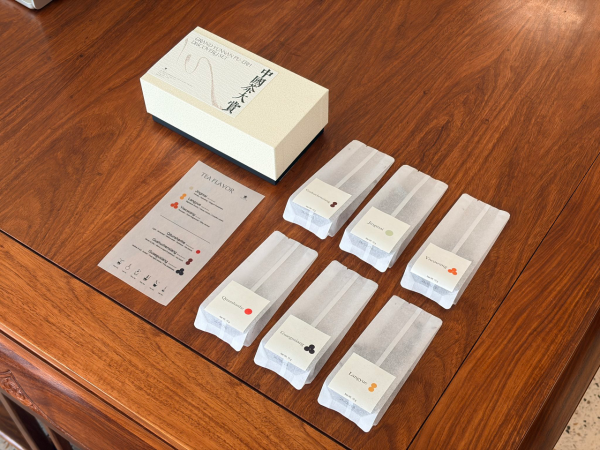
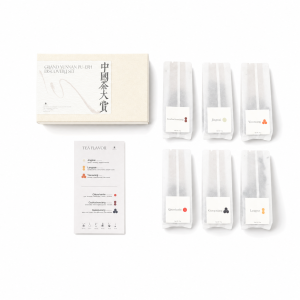
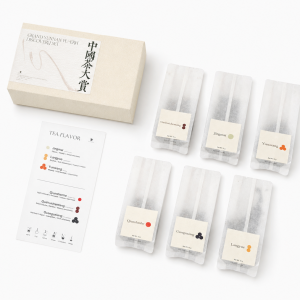
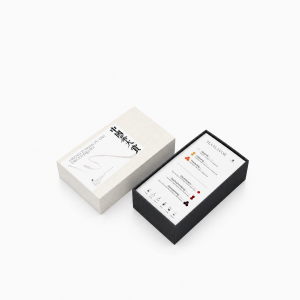
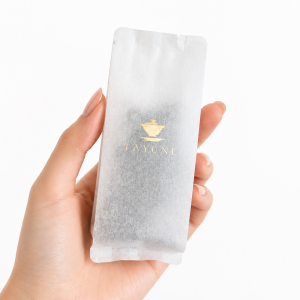
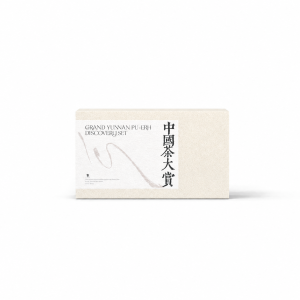
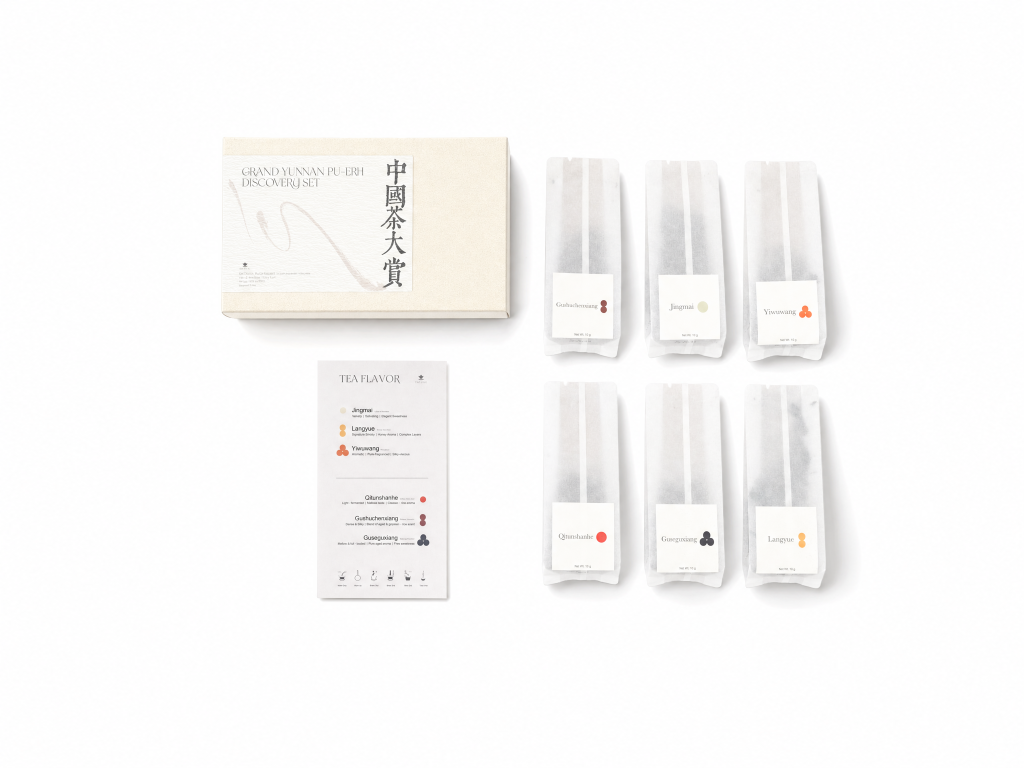
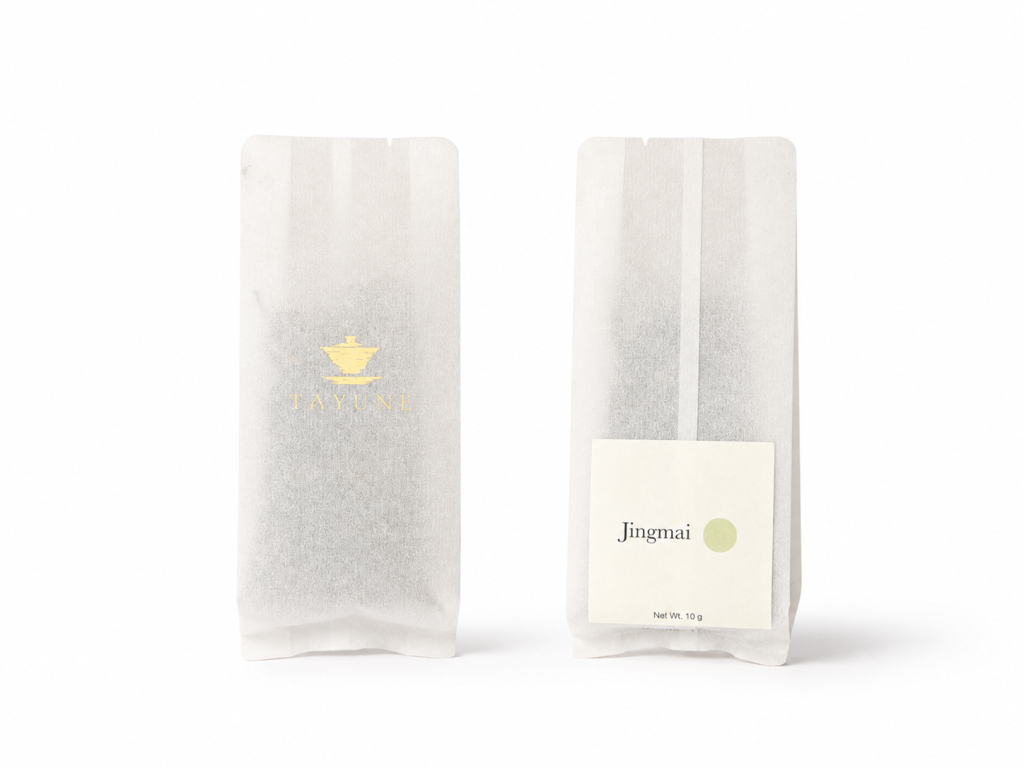
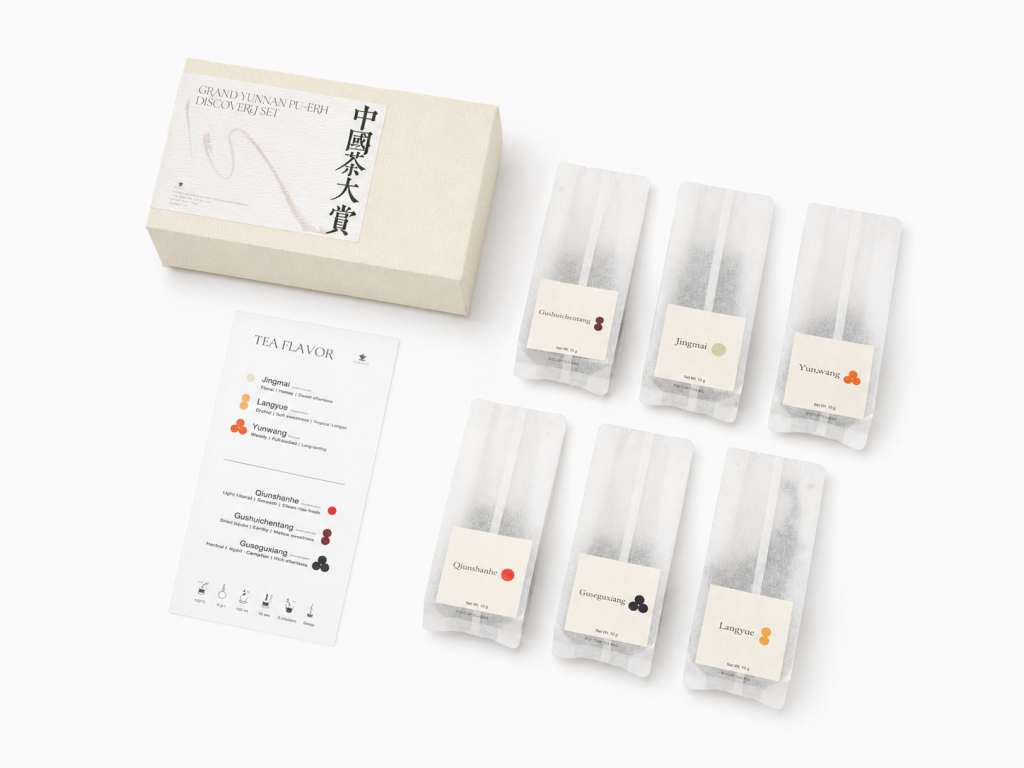
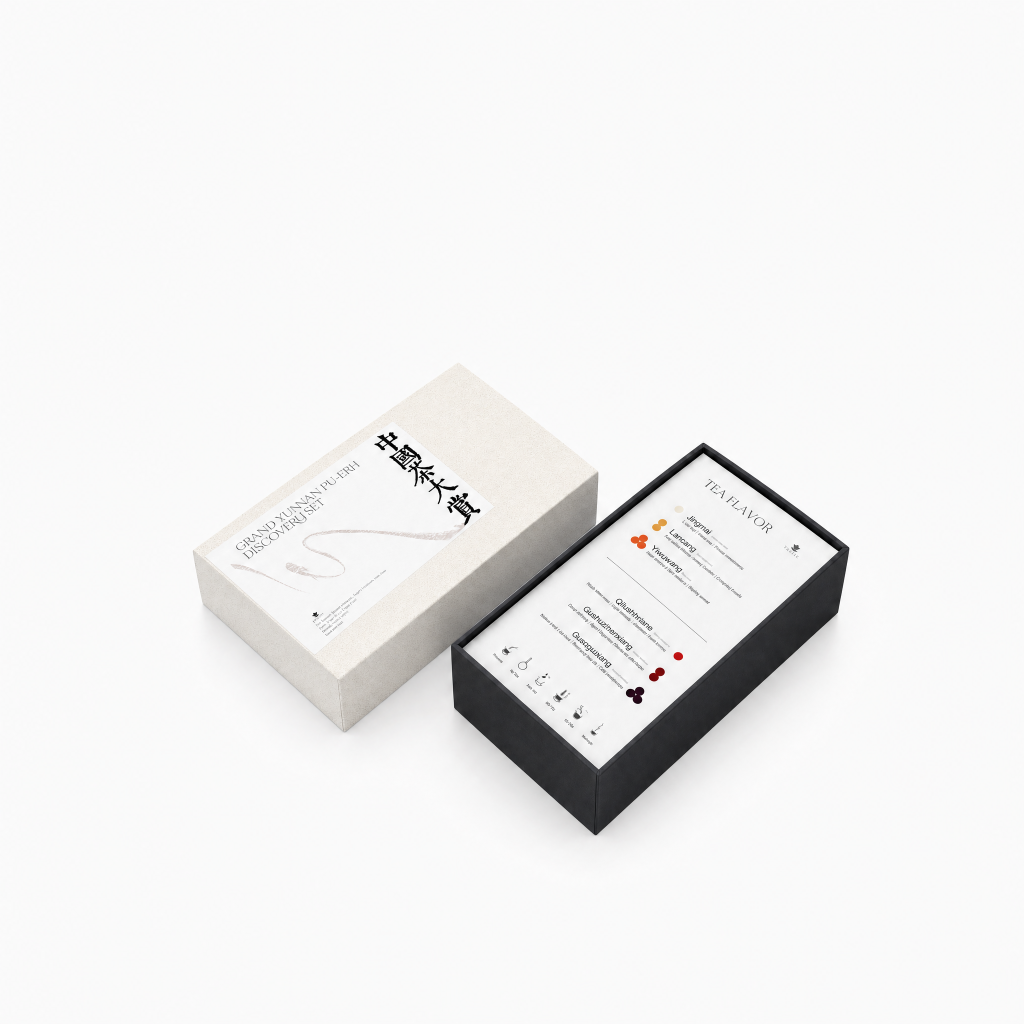
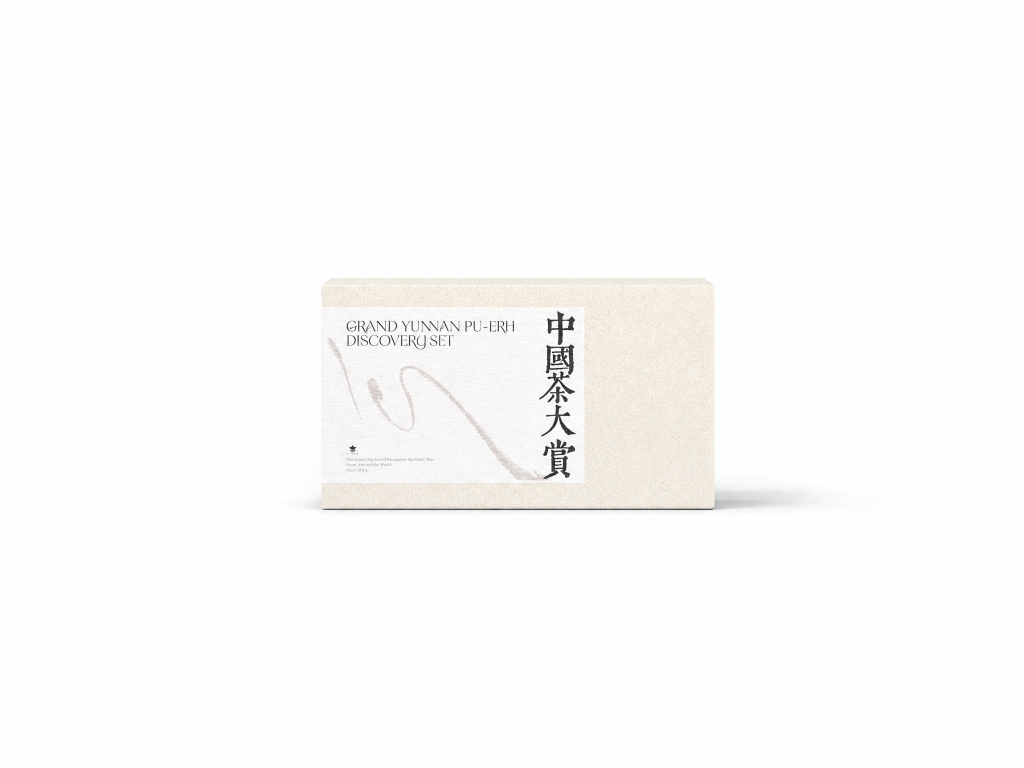
Grand Yunnan Pu-erh Discovery Set – 6 Raw & Ripe Tea Samples, 60 g
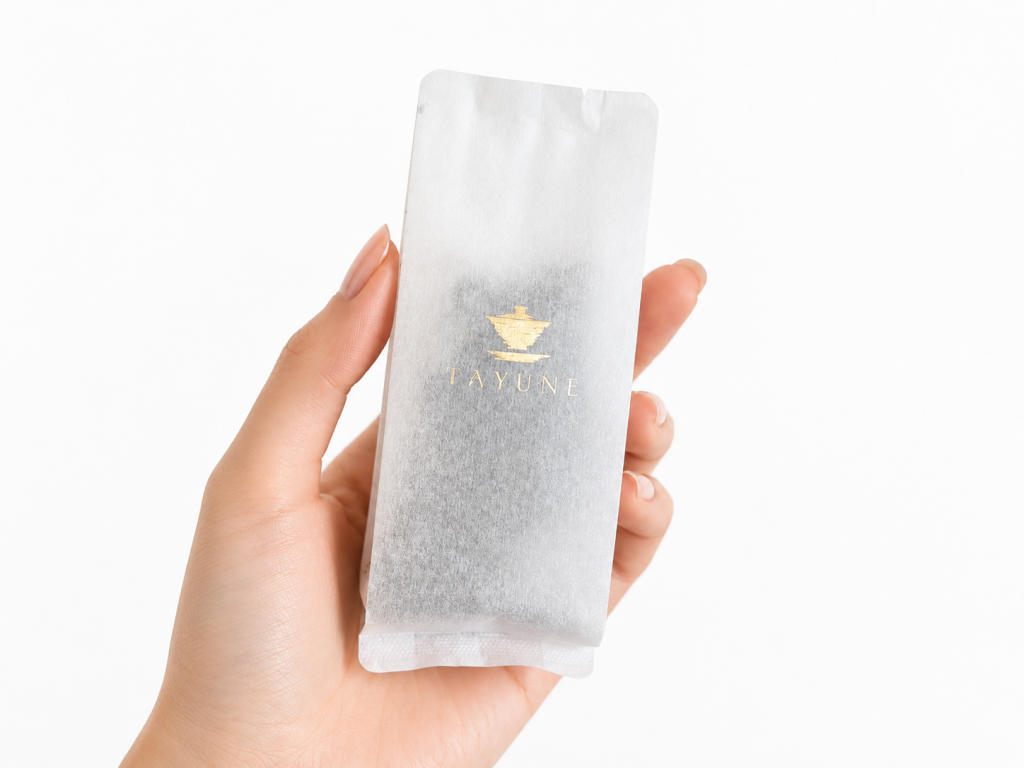
A beginner-friendly Pu-erh tasting set with three raw and three ripe teas in six individually labelled 10 g servings. Compare the profiles side by side, find your favourite, then choose a full cake with more confidence.
10 in stock
Final Thoughts
Yunnan’s famous tea mountains are not simply names on a label. Each region carries its own landscape, climate, history, culture, and style of tea-making.
Yiwu is admired for elegance. Bulang is respected for power. Jingmai represents forest harmony and cultural heritage. Lincang brings fragrance, sweetness, and vibrant energy.
The best way to understand Pu-erh is to taste across regions and allow each mountain to tell its own story—one infusion at a time.