
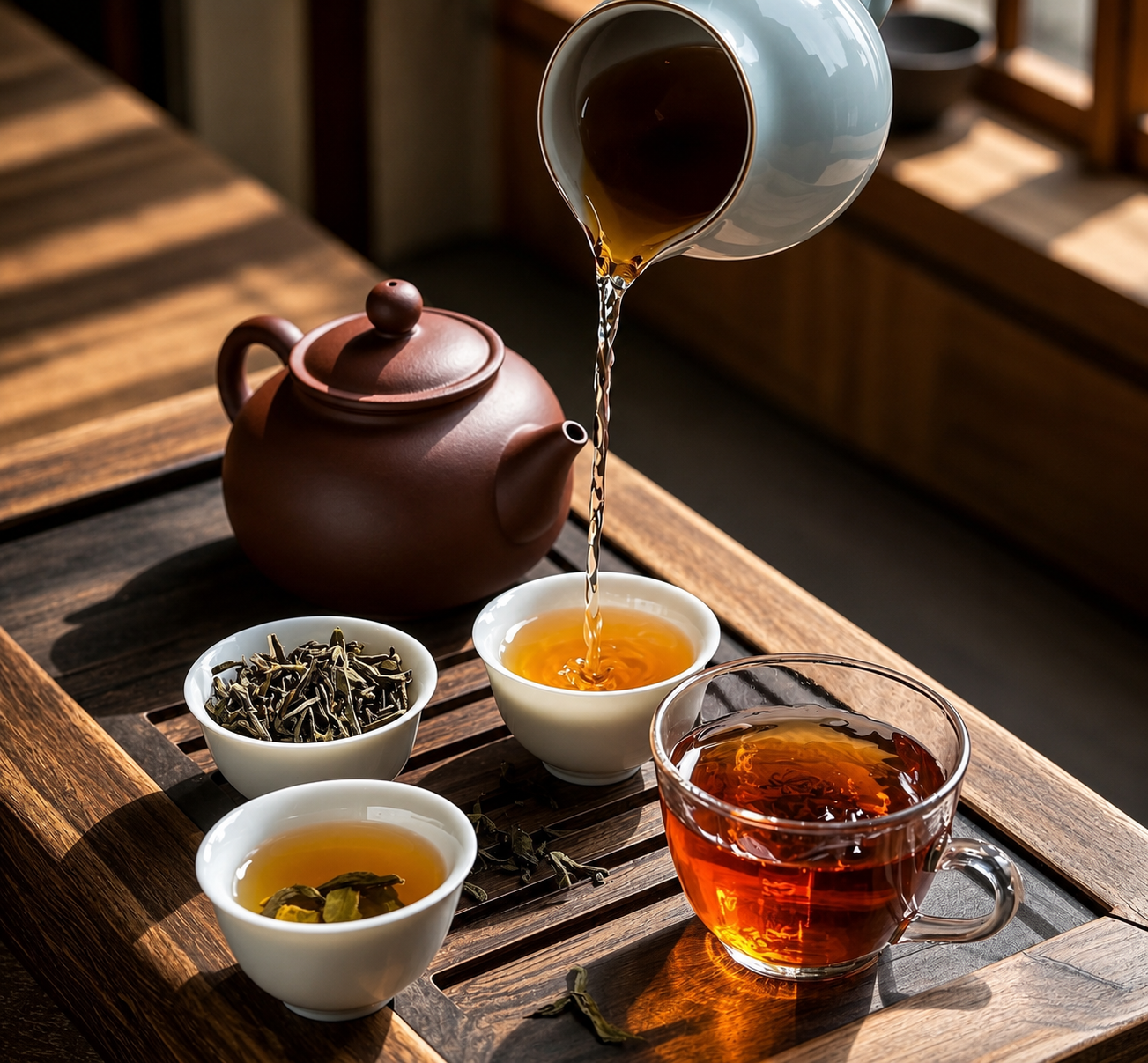
How to Brew Tea Properly
Even high-quality tea can taste bitter, weak, or flat when brewed incorrectly. To make better tea, focus on three key factors: tea quantity, water temperature, and steeping time.、
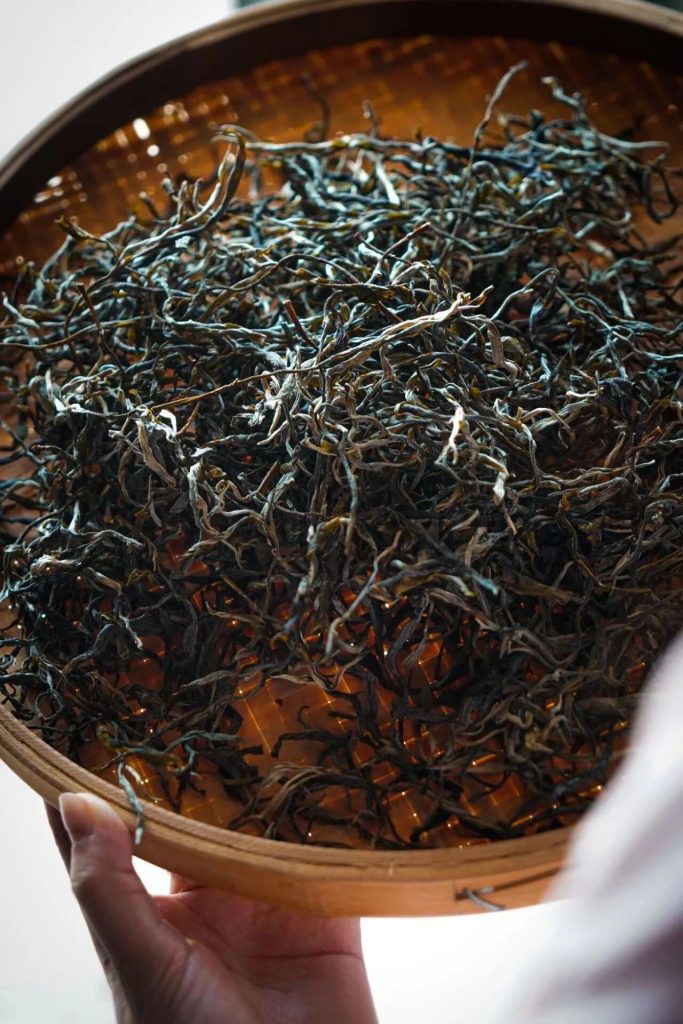
1. Use the Right Tea-to-Water Ratio
The amount of tea directly affects the strength and balance of the tea liquor.
For traditional brewing with a teapot or gaiwan:
- Use 1 gram of tea for every 15–25 ml of water
For everyday mug brewing:
- Use approximately 1 gram for every 50–100 ml of water
For boiled tea:
- Use around 1 gram for every 150–200 ml of water
Too little tea produces a weak taste, while too much tea can make the drink bitter or overly strong.
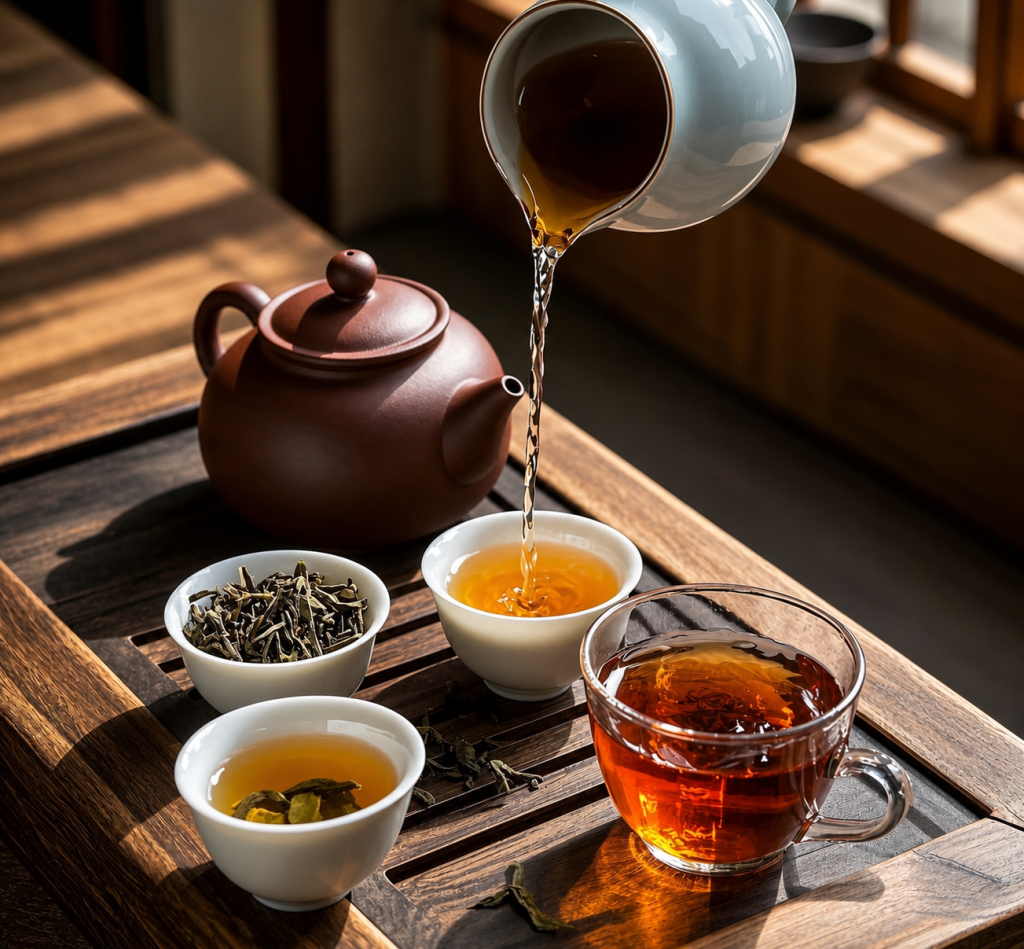
2. Choose the Correct Water Temperature
Different types of tea require different temperatures.
- Green tea: below 80°C
- Black tea, white tea and scented tea: 80–90°C
- Oolong tea, raw Pu-erh and aged tea: 90–100°C
- Cold-brew tea: room-temperature or cold water
Hot water releases aroma and flavor quickly, but it may also increase bitterness. Lower temperatures create a softer and smoother taste.
3. Control the Steeping Time
Steeping time is especially important when brewing green tea, oolong tea, and raw Pu-erh.
For traditional brewing, start with:
- 10–30 seconds for the first infusion
- Gradually increase the time for later infusions
For mug brewing:
- Steep for approximately 3–5 minutes
For cold-brew tea:
- Steep for 1–4 hours
If the tea tastes bitter, reduce the water temperature or steeping time. If it tastes weak, use more tea or steep it slightly longer.
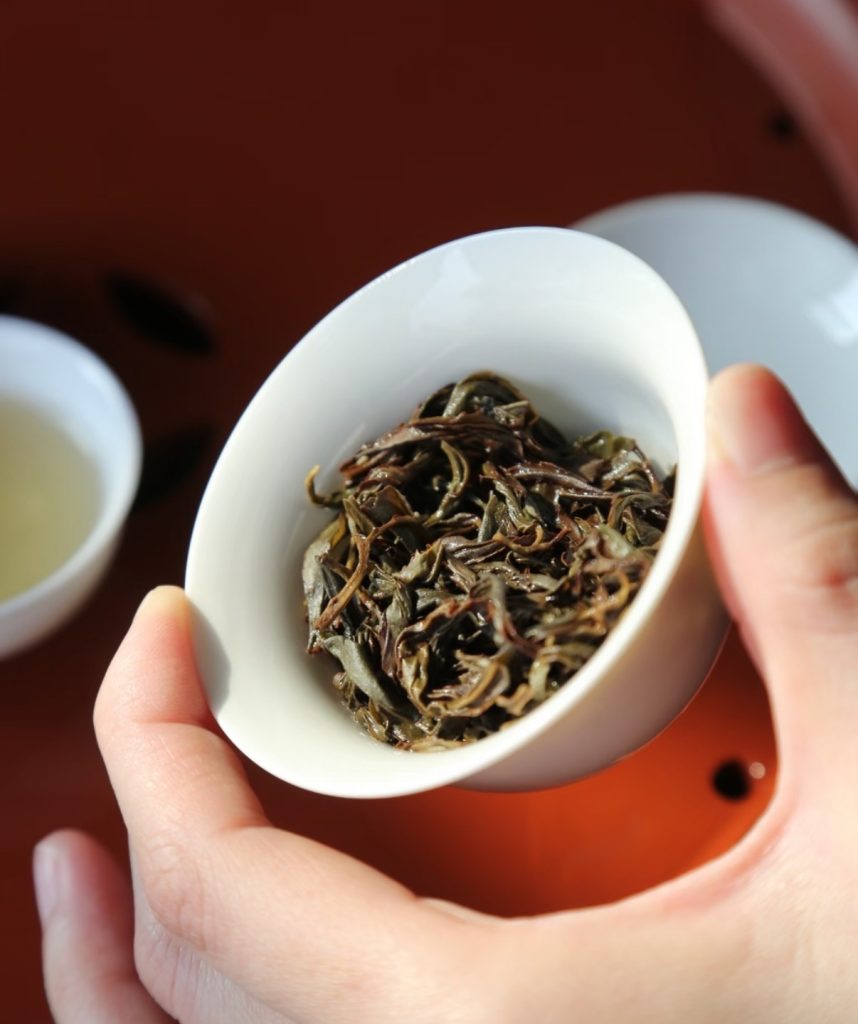
4. Select Suitable Teaware
A porcelain gaiwan is one of the best choices because it works with almost every type of tea and makes steeping time easy to control.
Other useful options include:
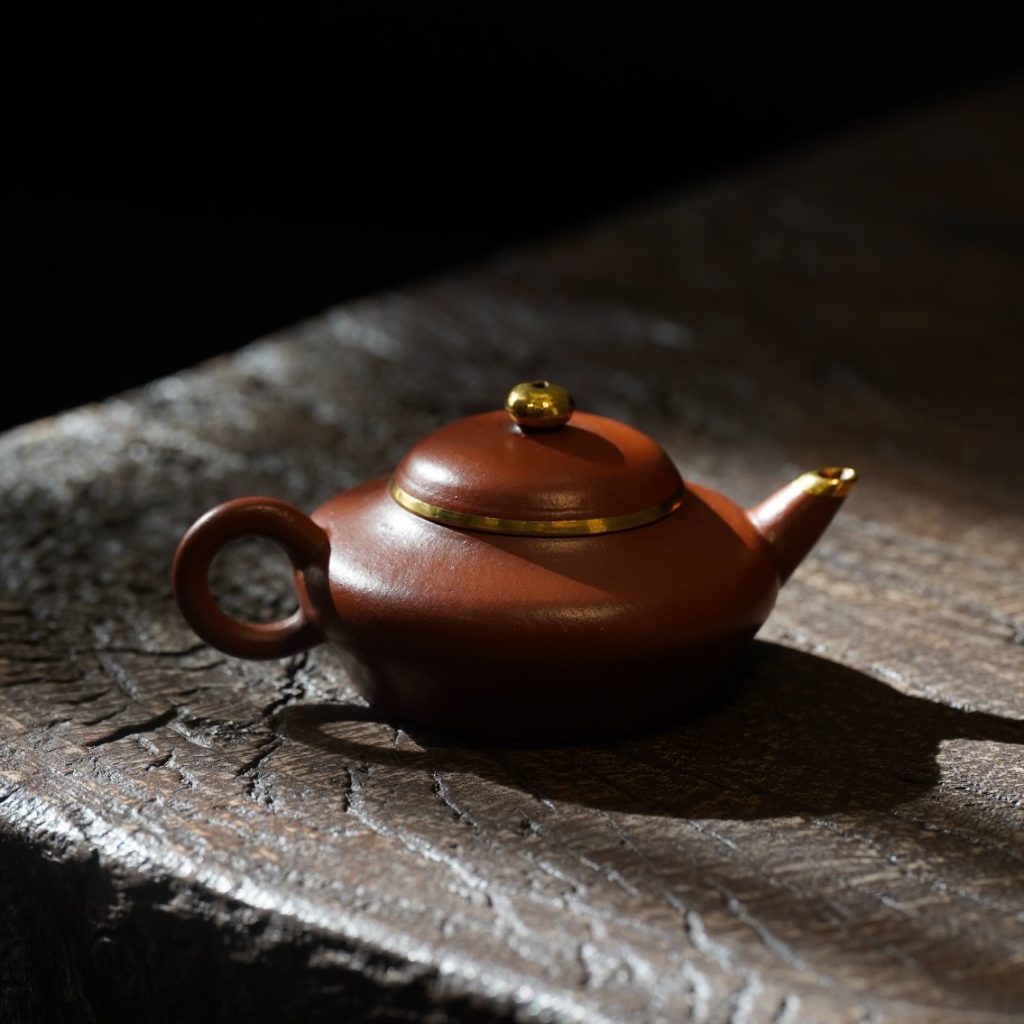
- Yixing teapot: suitable for oolong, Pu-erh and aged tea
- Porcelain teapot: easy to clean and suitable for most teas
- Infuser cup: convenient for office use
- Large teapot: ideal for serving several people
Tea and water should be separated after brewing to prevent over-steeping.
5. Use Soft, Clean Water
Water quality strongly affects tea aroma and taste.
Soft water or purified water is usually the best choice. Hard water contains more calcium and magnesium, which may reduce aroma and make the tea taste dull or harsh.
For delicate teas such as green tea, slightly acidic water can help maintain a bright color. For black tea and aged tea, neutral or slightly alkaline water may create a deeper color.
Final Tips
To brew better tea:
- Measure the tea and water
- Adjust the temperature for the tea type
- Control the steeping time
- Use clean, soft water
- Taste and adjust each infusion
Good tea brewing does not require complicated equipment. With the right ratio, temperature, and timing, anyone can make a balanced and flavorful cup of tea.